What does nonstick mean? Natural cookware benefits

Many cooks believe nonstick cookware simply means food slides off effortlessly, but the reality involves complex chemistry. Traditional nonstick pans rely on synthetic coatings containing PFAS chemicals, substances now raising serious health and environmental questions across Europe. Understanding what nonstick truly means helps you make informed choices about cookware safety, performance, and longevity. This guide clarifies the difference between chemical coatings and natural nonstick surfaces, revealing how carbon steel pans develop safer, durable patina through seasoning. You’ll discover practical benefits that matter for everyday cooking and long-term health.
Table of Contents
- What Nonstick Means: Chemical Coatings And Their Properties
- Natural Nonstick Surfaces: Patina And Seasoning Explained
- Comparing Nonstick Options: Chemical Coatings Versus Natural Patina
- How To Get The Most From Natural Nonstick Cookware
- Explore Brass And Steel Cookware For Natural Nonstick Benefits
- Frequently Asked Questions
Key takeaways
| Point | Details |
|---|---|
| Nonstick definition | Cookware surfaces engineered to minimise food adhesion during cooking. |
| Chemical coatings | Traditional nonstick uses PFAS compounds that resist heat and grease but raise safety concerns. |
| Natural alternatives | Carbon steel develops chemical-free patina through seasoning, improving with use. |
| Performance comparison | Natural surfaces gain durability over time whilst chemical coatings degrade. |
| Maintenance differences | Patina requires seasoning routines, synthetic coatings need gentle handling. |
What nonstick means: chemical coatings and their properties
Nonstick cookware refers to pans and pots engineered with surfaces that prevent food from adhering during cooking. For decades, manufacturers achieved this through synthetic polymer coatings, most famously polytetrafluoroethylene, commonly known as Teflon. These coatings revolutionised home cooking by eliminating the frustration of stuck eggs, burnt sauces, and stubborn residue.
The secret behind conventional nonstick performance lies in PFAS chemicals. These compounds resist heat, grease, water, and chemical breakdown, creating supremely slippery surfaces. PFAS molecules form incredibly strong carbon-fluorine bonds, amongst the most stable chemical connections in nature. This stability explains why nonstick pans can withstand repeated heating cycles whilst maintaining their slippery properties.
Chemical nonstick coatings offer immediate convenience straight from the shop. You don’t need special preparation or seasoning rituals. Just unwrap, wash, and start cooking with minimal oil. This plug-and-play appeal drove massive adoption in European kitchens throughout the late 20th century. Busy families appreciated the easy cleanup and reduced fat requirements for frying.
However, understanding what makes cookware nonstick reveals concerning trade-offs. PFAS chemicals persist in the environment for decades, earning the nickname “forever chemicals.” When nonstick coatings degrade through scratches or overheating, microscopic particles can migrate into food. Recent European regulations increasingly restrict PFAS usage as evidence mounts about potential health impacts.
“The durability that makes PFAS coatings effective also makes them problematic. These substances don’t break down naturally, accumulating in ecosystems and human bodies over time.”
Key properties of chemical nonstick coatings include:
- Immediate nonstick performance requiring no preparation
- Resistance to temperatures up to 260°C before degradation begins
- Vulnerability to scratching from metal utensils or abrasive cleaners
- Gradual performance decline as coating wears thin
- Potential chemical release when overheated or damaged
The nonstick market evolved beyond basic Teflon with ceramic-based alternatives and reinforced formulations. Yet most conventional options still rely on synthetic polymers to achieve their slippery surfaces. This chemical foundation raises questions for health-conscious cooks seeking safer alternatives without sacrificing cooking performance.
Natural nonstick surfaces: patina and seasoning explained
Natural nonstick surfaces form through an entirely different mechanism that predates modern chemistry by centuries. Instead of applying synthetic coatings, materials like carbon steel and cast iron develop protective layers called patina through a process called seasoning. This traditional method creates effective nonstick properties without introducing artificial chemicals into your cooking.
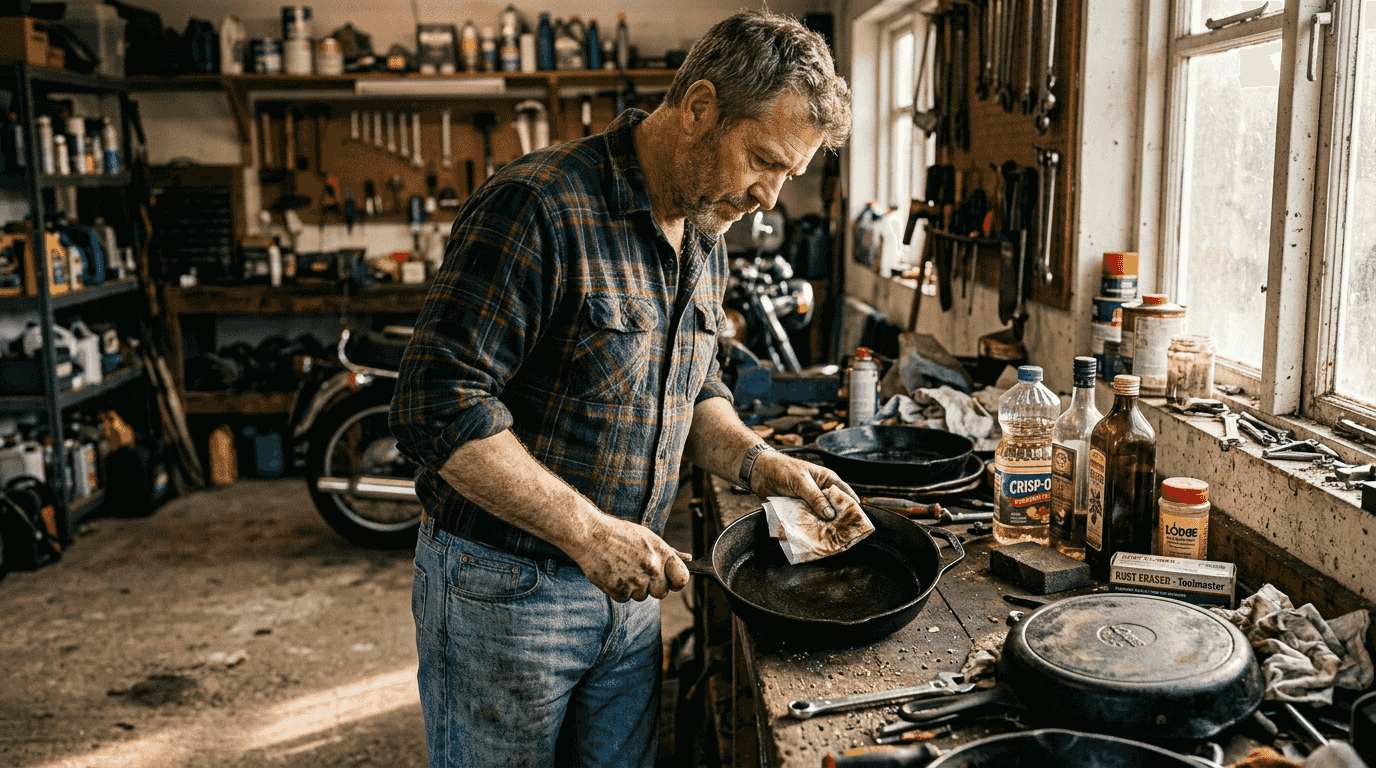
Seasoning works through polymerisation, a chemical transformation where cooking oils bond with metal surfaces under high heat. When you heat oil beyond its smoke point on carbon steel, the fat molecules break down and reorganise into a hard, glassy layer. Each cooking session adds microscopic thickness to this patina, gradually building a durable, naturally nonstick surface.
The beauty of natural nonstick patina lies in its self-improving nature. Unlike synthetic coatings that degrade with use, properly maintained patina becomes more effective over time. The surface develops character and performance simultaneously, transforming a new pan into a treasured kitchen tool. Many professional chefs prefer well-seasoned carbon steel precisely because the nonstick qualities improve with age.
Carbon steel pans excel at developing natural nonstick surfaces due to their iron content and responsive heating properties. The metal’s slight porosity allows oil molecules to grip and bond effectively during seasoning. As layers accumulate, they fill microscopic irregularities in the surface, creating an increasingly smooth cooking plane that rivals synthetic coatings.
Pro Tip: Season your carbon steel pan with high smoke point oils like grapeseed or avocado oil. Apply ultra-thin layers and bake at 250°C for 30 minutes, repeating three times initially. This creates a foundation that strengthens with every meal you cook.
Creating natural nonstick patina follows these essential steps:
- Wash the new pan thoroughly to remove factory protective coatings
- Dry completely and preheat your oven to 250°C
- Apply an extremely thin layer of high smoke point oil across all surfaces
- Wipe away excess until the pan appears almost dry
- Bake upside down for 30 minutes to polymerise the oil
- Repeat the process two to three times for optimal initial seasoning
- Continue building patina through regular cooking with fats and oils
The health benefits of natural nonstick surfaces extend beyond avoiding synthetic chemicals. Seasoned carbon steel actually adds trace amounts of dietary iron to food, particularly beneficial when cooking acidic ingredients like tomatoes. The patina itself consists entirely of polymerised plant oils, completely safe for consumption even if tiny amounts transfer to meals.
Natural patina responds to your cooking habits, developing differently based on what you prepare most often. Pans used frequently for searing meats develop darker, more robust seasoning than those primarily used for vegetables. This personalisation creates cookware uniquely suited to your culinary style, something mass-produced chemical coatings cannot replicate.
Comparing nonstick options: chemical coatings versus natural patina
Choosing between chemical nonstick and natural patina requires understanding how each performs across crucial cooking dimensions. The comparison reveals surprising advantages for natural surfaces that aren’t immediately obvious when handling a brand-new pan fresh from the packaging.
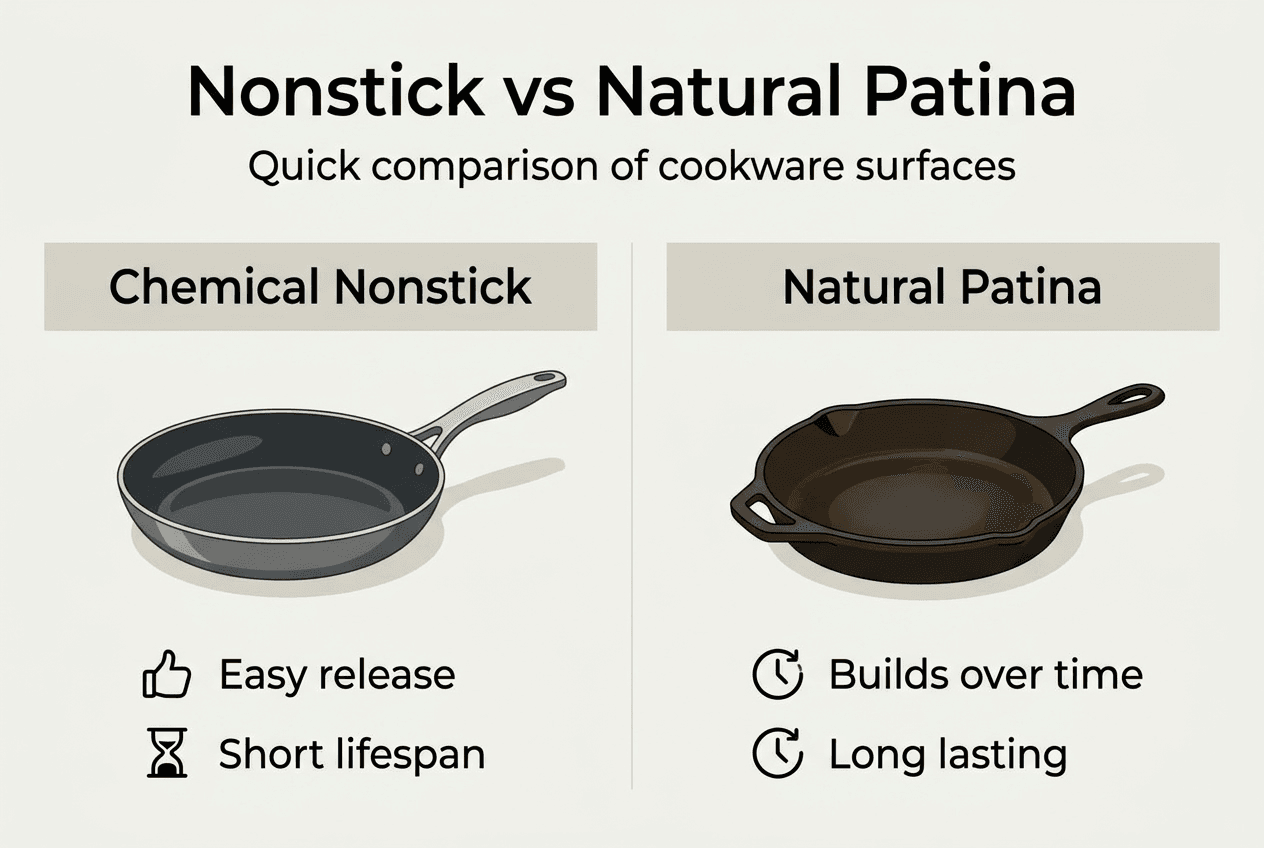
Durability represents the starkest difference between these approaches. Chemical coatings deliver peak performance on day one but steadily decline as scratches accumulate and polymer bonds weaken. Most synthetic nonstick pans require replacement every two to four years with careful use, sooner if subjected to metal utensils or high heat. Natural patina follows the opposite trajectory, starting modestly but gaining strength and effectiveness through years of use.
| Feature | Chemical Coatings | Natural Patina | | — | — | | Initial performance | Excellent immediately | Moderate, improves with use | | Durability | Degrades over 2-4 years | Strengthens indefinitely | | Heat tolerance | Limited to 260°C | Handles 400°C+ safely | | Maintenance | Gentle cleaning only | Scrubbing acceptable, re-season if needed | | Health concerns | PFAS chemical exposure risk | Chemical-free, iron enrichment | | Cost over time | Replacement every few years | One-time investment |
Health and safety considerations increasingly favour natural alternatives. PFAS compounds resist breakdown in the environment and human body, accumulating over time with unknown long-term effects. When chemical nonstick coatings overheat above 260°C, they can release toxic fumes harmful to humans and potentially fatal to pet birds. Natural patina contains no synthetic chemicals whatsoever, eliminating these concerns entirely.
Cooking performance varies significantly between the two approaches. Chemical nonstick excels at delicate tasks like cooking eggs or fish fillets with minimal fat. The slippery surface prevents even the most adhesive foods from sticking. However, this same property inhibits proper browning and caramelisation, limiting flavour development. Natural patina allows better heat transfer and surface contact, producing superior sears and crusts whilst still preventing sticking once properly developed.
Pro Tip: Natural patina actually outperforms chemical coatings for high-heat techniques like searing steaks or stir-frying vegetables. The surface tolerates temperatures that would destroy synthetic coatings whilst developing better flavour through proper browning.
Maintenance requirements differ substantially:
- Chemical nonstick demands gentle handling with soft sponges and wooden utensils
- Harsh detergents and abrasive scrubbing destroy synthetic coatings rapidly
- Natural patina tolerates vigorous cleaning and can be restored through re-seasoning
- Seasoned surfaces actually benefit from cooking fatty foods that reinforce the patina
- Chemical coatings cannot be repaired once damaged, requiring pan replacement
Environmental impact weighs heavily in this comparison. Manufacturing PFAS-coated cookware generates persistent pollutants that contaminate water supplies and ecosystems. Disposal creates additional environmental burden as the chemicals leach from landfills. Carbon steel pans forged from single pieces of metal contain no synthetic materials and last generations, dramatically reducing waste.
The learning curve represents the main advantage of chemical nonstick. You achieve perfect results immediately without mastering seasoning techniques or adjusting cooking methods. Natural patina requires patience and practice, rewarding cooks who invest time learning proper care. This initial effort pays dividends through decades of superior performance and the satisfaction of developing a truly personal cooking tool.
Exploring healthy nonstick alternatives reveals that natural patina suits serious cooks prioritising longevity, flavour development, and chemical-free cooking. Chemical coatings work better for casual cooks seeking immediate convenience despite shorter lifespan and potential health trade-offs.
How to get the most from natural nonstick cookware
Maximising natural nonstick performance requires understanding the relationship between seasoning, cooking technique, and maintenance. Proper care transforms carbon steel from a sticky challenge into your most reliable kitchen companion. These practical strategies ensure your pan develops excellent nonstick properties whilst avoiding common pitfalls.
Initial seasoning establishes the foundation for everything that follows. Rushing this process or applying too much oil creates sticky, uneven surfaces that frustrate rather than delight. The key lies in multiple ultra-thin layers rather than one thick application. Each layer must polymerise completely before adding the next, building a smooth, glassy patina that improves with age.
Pro Tip: Your pan should look almost dry after applying oil for seasoning. If you can see obvious wetness, you’ve used too much. Wipe vigorously with a clean cloth until barely any oil remains, then proceed with heating.
Cooking technique significantly impacts patina development and nonstick performance. Starting with moderate heat allows the pan to warm evenly, preventing hot spots that cause sticking. Adding food to a properly preheated surface creates immediate searing that forms a natural release layer. Patience proves essential, particularly with proteins that initially stick but release naturally once properly seared.
Optimal cooking practices for natural nonstick surfaces:
- Preheat the pan gradually over medium heat for 2-3 minutes
- Test temperature by flicking water drops that should dance and evaporate quickly
- Add a thin layer of cooking fat appropriate to your dish
- Allow proteins to sear undisturbed until they release naturally
- Avoid moving food constantly, which prevents proper browning
- Use metal utensils confidently, as they won’t damage seasoned surfaces
- Cook fatty foods regularly to reinforce and maintain patina
Cleaning seasoned cookware properly preserves the patina whilst removing food residue. Contrary to popular belief, you can use soap on well-seasoned carbon steel without stripping the patina. Modern detergents won’t dissolve polymerised oil layers. The real enemies are prolonged soaking, which promotes rust, and abrasive scrubbing that physically removes seasoning.
Follow this carbon steel patina guide for maintenance routines that extend pan lifespan indefinitely. After cooking, let the pan cool slightly, then rinse with hot water whilst gently scrubbing with a soft brush. Dry immediately and completely over low heat to prevent moisture from causing rust. Apply a microscopic layer of oil whilst the pan remains warm, wiping away any excess.
Troubleshooting common issues ensures consistent nonstick performance:
- Sticky surface indicates too much oil during seasoning, scrub and re-season with thinner layers
- Rust spots form from inadequate drying, remove with fine steel wool and re-season affected areas
- Uneven patina develops from inconsistent heating, continue cooking to even out the surface
- Food sticking suggests insufficient preheating or moving ingredients too soon
- Dull appearance means the patina needs reinforcement through cooking fatty foods
Seasoning maintenance doesn’t require constant attention once established. Simply cooking with adequate fat naturally maintains and strengthens the patina. Reserve formal re-seasoning for situations where the surface becomes damaged, excessively sticky, or develops significant rust. Learning to cook safely with carbon steel means recognising these signs and addressing them promptly.
Temperature management protects both seasoning and pan structure. Whilst carbon steel tolerates extreme heat far better than chemical nonstick, sudden temperature changes can cause warping. Avoid plunging a hot pan into cold water or placing frozen food in a preheated pan. Gradual heating and cooling preserve the pan’s shape and seasoning integrity.
The investment in learning natural nonstick techniques pays continuous dividends. Your pan becomes more effective with each use rather than degrading like synthetic alternatives. The skills you develop transfer across all cookware types, making you a more capable and confident cook. This knowledge transforms cooking from following instructions into understanding the science behind great food.
Explore brass and steel cookware for natural nonstick benefits
If you’re ready to experience the advantages of natural nonstick cookware, Brass & Steel offers premium carbon steel pans engineered for serious cooks. Each pan is forged from a single piece of carbon steel, eliminating rivets and welds whilst creating exceptional durability. The seamless construction ensures even heating and develops beautiful, long-lasting patina through proper seasoning.
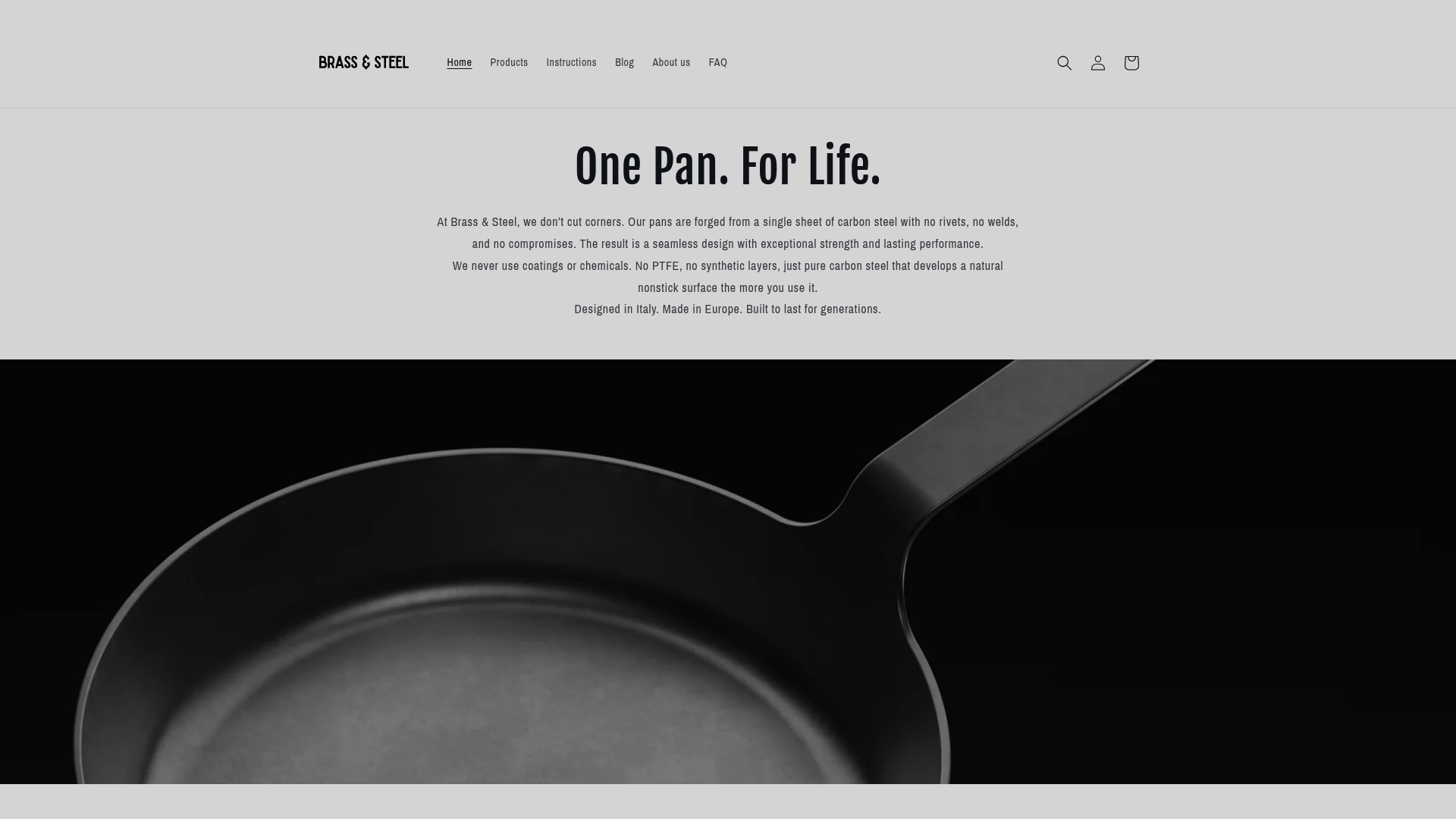
Brass & Steel carbon steel pans combine professional-grade performance with straightforward maintenance, perfect for European cooks seeking chemical-free alternatives. The naturally developing nonstick surface improves with use, creating heirloom-quality cookware that lasts generations. Available in 27 cm and 30 cm sizes, these pans suit everything from daily meal preparation to ambitious culinary projects. Discover how Brass & Steel transforms your cooking experience with cookware that prioritises health, performance, and lasting value.
Frequently asked questions
What does nonstick mean in cookware?
Nonstick describes cookware surfaces engineered to minimise food adhesion during cooking. Traditional nonstick uses synthetic PFAS-based coatings, whilst natural alternatives develop chemical-free patina through seasoning with oils. Both approaches reduce sticking but differ significantly in safety, durability, and maintenance requirements.
Are chemical nonstick coatings safe for daily cooking?
Chemical nonstick coatings raise health concerns due to PFAS compounds that persist in the environment and human body. When overheated above 260°C or scratched, these coatings can release harmful substances into food. Natural alternatives eliminate these risks entirely whilst providing comparable nonstick performance.
How long does natural patina last on carbon steel pans?
Properly maintained natural patina lasts indefinitely, actually improving with age and use. Unlike chemical coatings that degrade over 2-4 years, seasoned carbon steel strengthens through cooking. Even if damaged, you can restore patina through simple re-seasoning rather than replacing the entire pan.
What’s the best way to maintain natural nonstick surfaces?
Maintain natural nonstick by cleaning with warm water immediately after cooking, drying thoroughly, and applying a thin oil layer whilst warm. Cook fatty foods regularly to reinforce seasoning. Avoid prolonged soaking and ensure complete drying to prevent rust formation.
Can I use metal utensils on naturally seasoned pans?
Yes, metal utensils won’t damage properly seasoned carbon steel surfaces. The polymerised oil patina bonds strongly to the metal, tolerating normal cooking implements. This durability contrasts sharply with chemical nonstick coatings that scratch easily, requiring wooden or silicone tools.
Which cooking techniques work best with natural nonstick?
Natural nonstick excels at high-heat techniques like searing, stir-frying, and browning that develop complex flavours. The surface tolerates temperatures exceeding 400°C, far beyond chemical coating limits. Preheat properly, use adequate fat, and allow proteins to release naturally for optimal results.