What Makes Cookware Nonstick: Complete Guide
Scraping burnt eggs off a pan can turn breakfast into a chore. Nonstick surfaces have changed the way people cook, making meal prep and cleanup faster for millions of kitchens worldwide. With over 90 percent of home cooks using nonstick cookware at least weekly, it pays to know what sets these surfaces apart, how they work, and what makes one safer or more reliable than another. This guide breaks down the science, benefits, and trade-offs behind today’s most popular nonstick technologies.
Table of Contents
- What Constitutes A Nonstick Surface
- How PTFE Coatings Work
- How Ceramic Coatings Function
- How Seasoning Creates Natural Nonstick
- Comparing Nonstick Methods And Safety
Key Takeaways
| Point | Details |
|---|---|
| Nonstick Surface Characteristics | Nonstick surfaces minimize food adhesion, featuring low surface energy and smooth molecular structures. Proper maintenance is essential for long-lasting effectiveness. |
| PTFE vs. Ceramic Coatings | PTFE offers exceptional food release but can pose chemical risks at high temperatures, while ceramic coatings are chemical-free but less durable. |
| Technique for Natural Nonstick | Seasoning cookware with oil improves performance, creating a natural nonstick layer that requires consistent maintenance to be effective. |
| Evaluating Cookware Safety | Different nonstick methods have unique advantages and potential risks; understanding each method’s characteristics is crucial for safe cooking practices. |
What Constitutes A Nonstick Surface
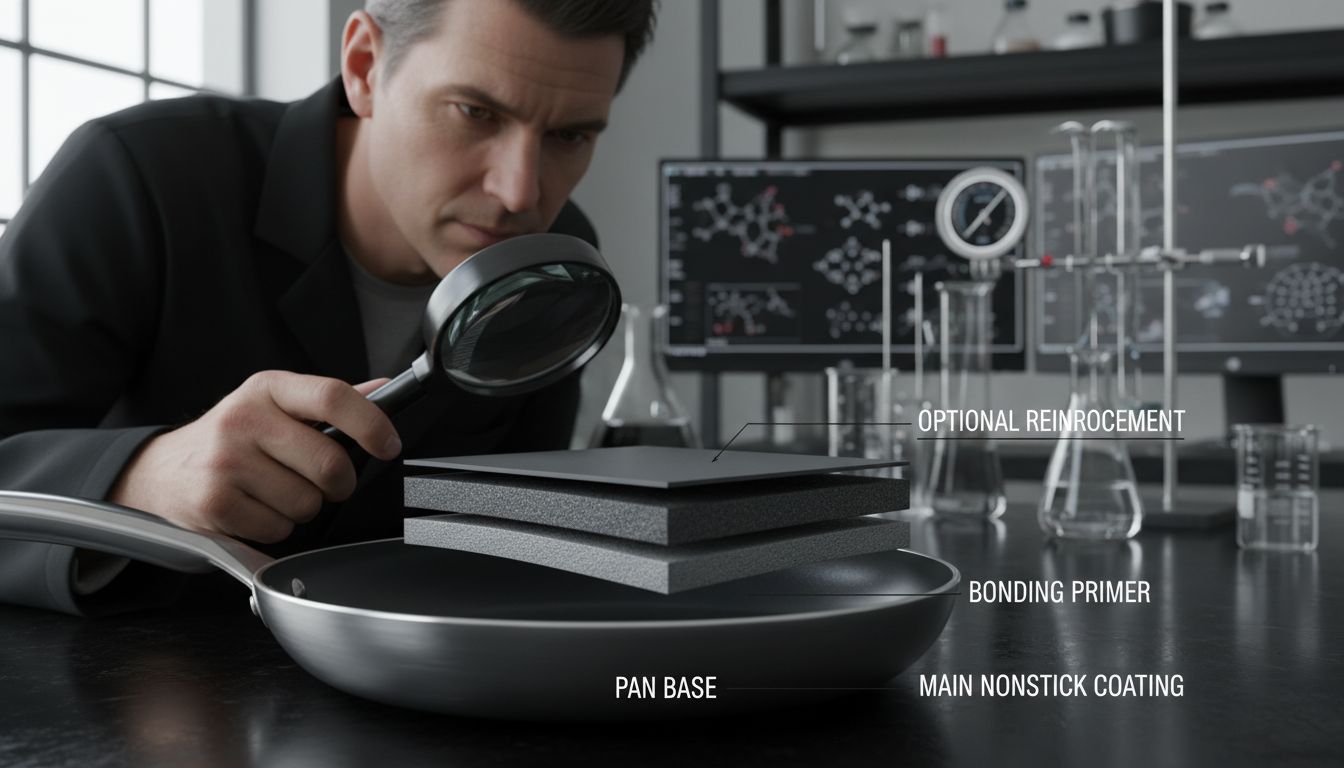
A nonstick surface is an engineered cooking surface designed to minimise food adhesion during cooking. According to research from PubMed, these surfaces are typically created through specialised coatings like polytetrafluoroethylene (PTFE) or ceramic materials that provide a smooth, low-friction layer preventing food from sticking.
The core characteristics of a nonstick surface include several critical components. These surfaces are characterised by:
- Ultra-smooth molecular structure
- Low surface energy
- Minimal friction between food and cookware
- Ability to repel moisture and oils
Research indicates that the effectiveness of nonstick surfaces depends on multiple factors. PubMed highlights that coating type, application quality, and underlying cookware material significantly impact performance. Professional chefs understand that proper maintenance plays a crucial role in preserving these nonstick properties over time.
Understanding the nuances of nonstick surfaces is crucial, especially when considering nonstick alternatives explained. Different materials offer varying degrees of nonstick performance, each with unique advantages for specific cooking techniques and preferences.
How PTFE Coatings Work
PTFE (polytetrafluoroethylene) is a synthetic polymer that revolutionised nonstick cookware technology. According to research from PubMed, these coatings function by creating a hydrophobic and oleophobic surface that effectively repels water and oils, preventing food from adhering to cookware.
The molecular magic behind PTFE lies in its unique chemical structure. Key characteristics include:
- Extremely low surface energy
- Highly stable molecular bonds
- Resistance to chemical reactions
- Exceptional friction reduction
PubMed warns that PTFE’s nonstick properties are maintained only when the coating remains intact. Critical performance limitations emerge when exposed to temperatures above 260°C (500°F), which can cause coating degradation and potentially release harmful fumes.
For those seeking safer alternatives, exploring nonstick alternatives explained provides insights into emerging cookware technologies that offer similar performance without potential health concerns. Professional chefs increasingly prioritise understanding the nuanced trade-offs between traditional nonstick surfaces and newer, more health-conscious cooking solutions.
How Ceramic Coatings Function
Ceramic coatings represent a modern approach to nonstick cookware technology. According to research from PubMed, these innovative coatings achieve nonstick properties through a sophisticated silica-based sol-gel process that creates a smooth, glass-like surface inherently designed to release food easily without synthetic chemicals.
The key characteristics of ceramic nonstick surfaces include:
- Natural mineral-based composition
- Smooth, glass-like molecular structure
- Chemical-free nonstick properties
- Ability to withstand moderate cooking temperatures
PubMed highlights an important caveat: while ceramic coatings offer a PTFE and PFOA-free alternative, their nonstick effectiveness can gradually diminish with frequent use and high-heat exposure. Professional cooks must employ careful maintenance techniques to preserve the coating’s performance.
For those interested in exploring alternative cookware options, non-toxic cookware choices comparing carbon steel and ceramic pans provides valuable insights into selecting the most suitable cooking surfaces for health-conscious culinary enthusiasts.
How Seasoning Creates Natural Nonstick
Seasoning is a time-honoured culinary technique that transforms cooking surfaces into naturally nonstick masterpieces. According to research from PubMed, the process involves applying a thin layer of oil to cookware and heating it to polymerize the oil, creating a hard, slick protective layer that dramatically improves food release and pan performance.
The key elements of successful seasoning include:
- Selecting high smoke-point oils
- Applying extremely thin, even oil layers
- Heating at precise temperatures
- Building multiple protective layers over time
PubMed emphasises that the effectiveness of a seasoned surface relies on consistent maintenance. Regular cleaning, careful oil reapplication, and mindful cooking techniques allow the nonstick surface to develop and improve with each use, potentially matching or even surpassing synthetic nonstick coatings in performance and durability.
For cooking enthusiasts looking to master this technique, the comprehensive seasoned steel surface guide offers detailed insights into creating and maintaining the perfect natural nonstick cookware surface.
Comparing Nonstick Methods And Safety
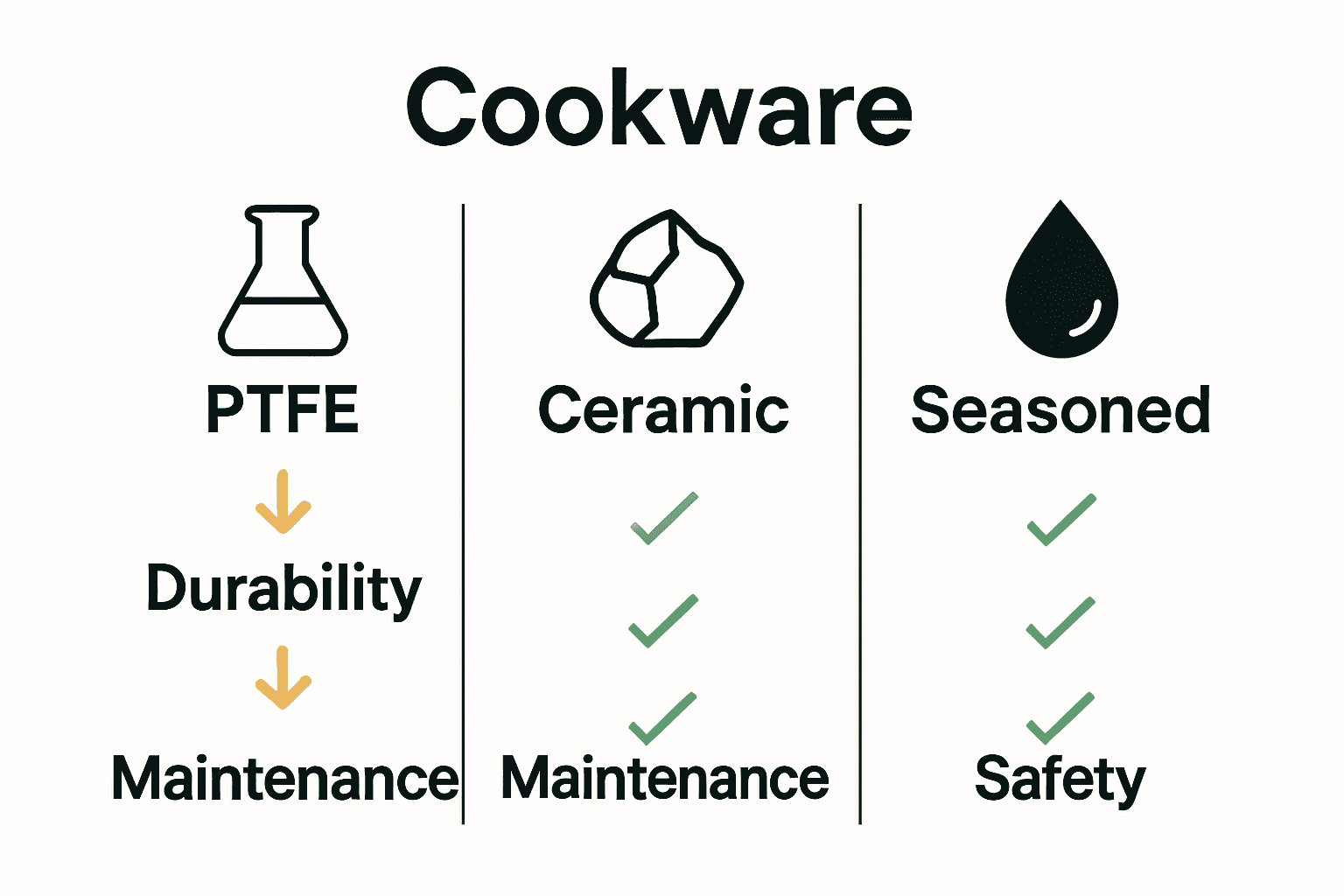
Nonstick cookware technologies offer diverse approaches to creating smooth cooking surfaces, each with unique performance characteristics and safety considerations. According to research from PubMed, different methods present distinct advantages and potential risks that home cooks and professional chefs must carefully evaluate.
Key comparison points for nonstick methods include:
- PTFE coatings: Exceptional food release, potential chemical risks
- Ceramic coatings: Chemical-free, moderate durability
- Seasoned cookware: Natural process, requires ongoing maintenance
- Uncoated metal surfaces: Traditional, demands specific cooking techniques
PubMed emphasises that comparing nonstick methods requires a holistic approach, considering factors like heat tolerance, durability, and potential health implications. Proper usage, care, and understanding of each method’s unique characteristics are crucial for safe and effective cooking.
For those seeking clarity on cookware choices, understanding carbon steel versus nonstick comparisons provides valuable insights into making informed decisions about kitchen equipment that balances performance, safety, and cooking experience.
Discover a Natural Path to Nonstick Cooking with Carbon Steel
If you have found yourself frustrated by nonstick coatings that chip, degrade, or raise health concerns like PTFE exposure, you are not alone. This article explores key challenges with traditional nonstick surfaces such as limited durability and chemical risks while highlighting seasoning as a natural, safe alternative for food release. At Brass & Steel, we specialise in crafting premium carbon steel pans that embrace this timeless seasoning method, providing a durable, healthy, and naturally nonstick surface that improves with use.
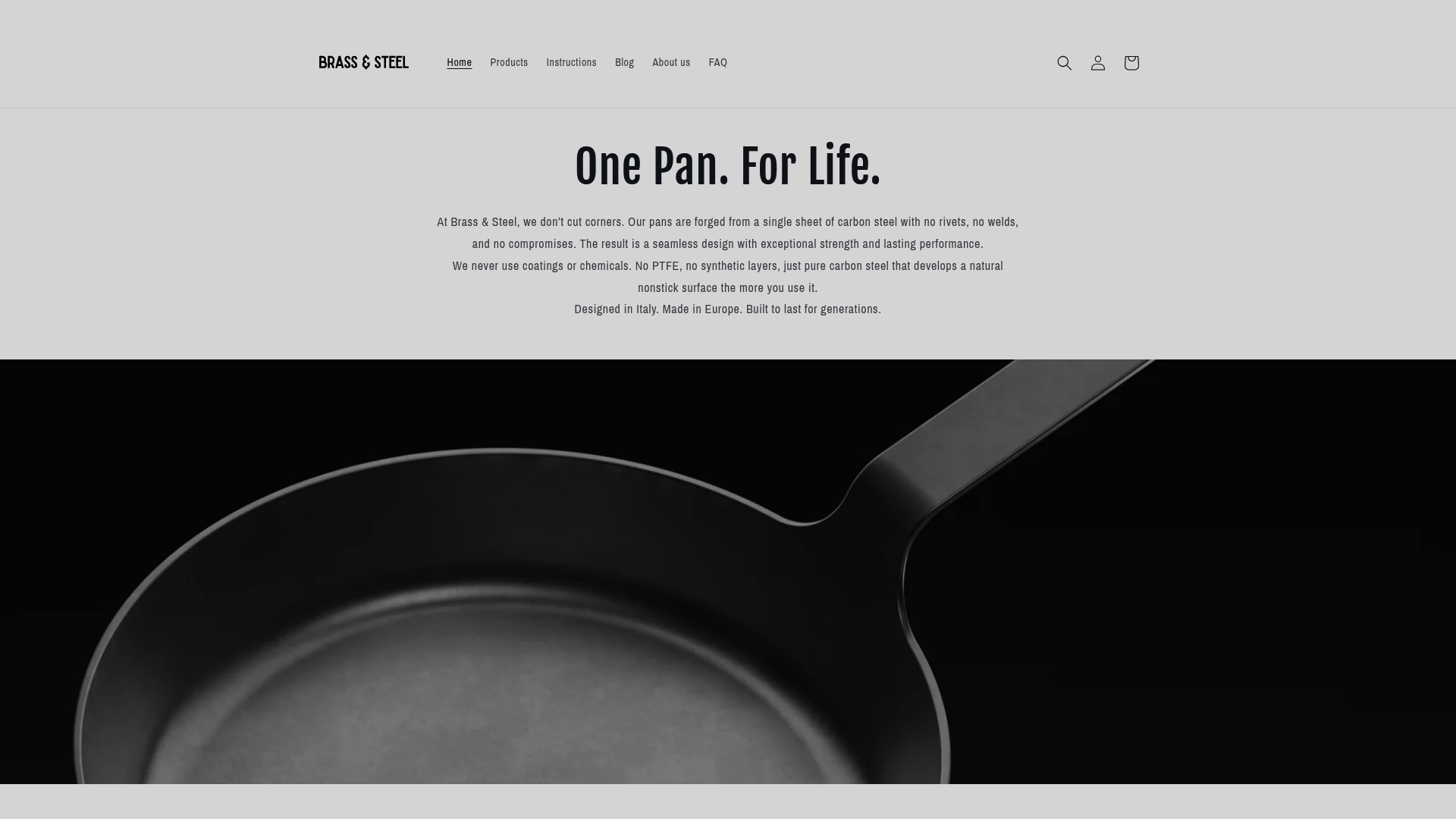
Explore our Carbon Steel Collection | Brass&Steel to experience cookware forged in one seamless piece for strength and performance without synthetic coatings. Each pan develops a protective patina that resists sticking while offering excellent heat responsiveness. Make a safe, lasting upgrade today by visiting Brass & Steel and discover how our heirloom-quality pans deliver the ideal balance of professional-grade cooking and health-conscious design. For new arrivals worth exploring, see our New arrivals – Brass & Steel and take the first step toward mastering your kitchen with natural nonstick cookware.
Frequently Asked Questions
What are the characteristics of nonstick surfaces?
Nonstick surfaces are characterized by an ultra-smooth molecular structure, low surface energy, minimal friction between food and cookware, and the ability to repel moisture and oils.
How does PTFE work in nonstick cookware?
PTFE (polytetrafluoroethylene) works by creating a hydrophobic and oleophobic surface that repels water and oils, preventing food from adhering to cookware.
What are the advantages of ceramic coatings for nonstick cookware?
Ceramic coatings are chemical-free, made from natural minerals, and provide a smooth, glass-like surface. However, their nonstick effectiveness may diminish with frequent use and high-heat exposure.
How can I maintain the nonstick properties of seasoned cookware?
To maintain seasoned cookware, regularly clean it, reapply oil carefully after use, and use precise heating techniques to build and preserve the nonstick surface over time.