7 Essential Pros and Cons of Steel Cookware Explained
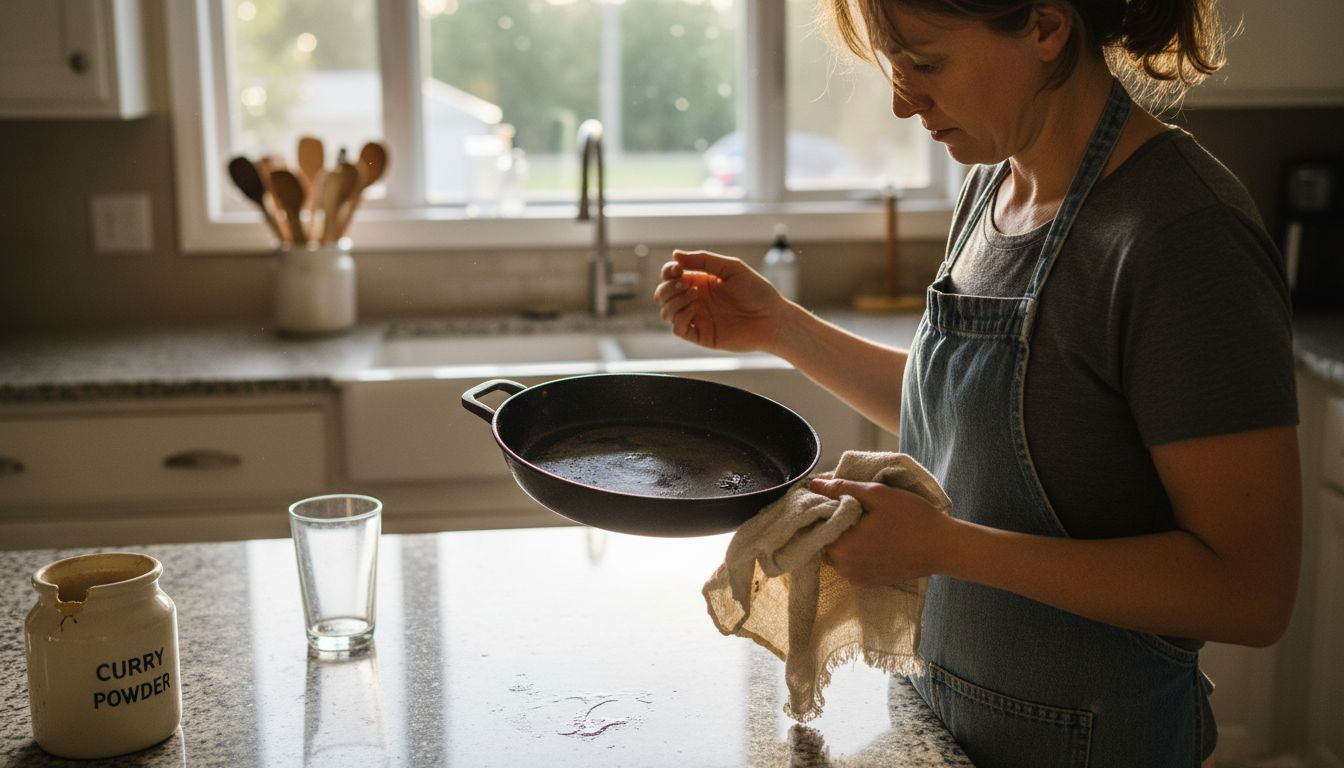
Most british kitchens today demand cookware that marries durability with health benefits, and steel pans have become a top contender. With over 80 percent of professional European chefs now preferring carbon steel for its longevity and kitchen safety, it is no surprise that both home cooks and culinary experts are rethinking their choices. This guide breaks down the real-world advantages and drawbacks of steel cookware, helping you find lasting value while prioritizing wellness in every meal.
Table of Contents
- Durable Construction for Long-Term Use
- Natural Nonstick Surface from Seasoning
- High Heat Performance and Versatility
- Health and Safety Benefits of Steel Cookware
- Maintenance Requirements for Best Results
- Weight and Handling Considerations
- Cost and Value Compared to Other Materials
Quick Summary
| Takeaway | Explanation |
|---|---|
| 1. Steel cookware is durable and long-lasting | Steel cookware withstands high temperatures and repeated use, making it an economical choice due to its longevity. |
| 2. Season carbon steel for a natural nonstick surface | Build a nonstick layer by applying oil and heating it to improve food release and cooking performance over time. |
| 3. Steel cookware offers excellent heat management | It provides consistent temperature control, allowing for precision in recipes, whether on stovetops or in the oven. |
| 4. Safe and health-conscious cooking with steel | Steel’s non-reactive surface ensures no harmful substances leach into food, preserving its quality and safety. |
| 5. Proper maintenance enhances cookware performance | Gently clean and avoid abrupt temperature changes to maintain steel cookware’s integrity and cooking capabilities. |
1. Durable Construction for Long-Term Use
Steel cookware stands as a paragon of durability in modern kitchens, offering home cooks and professional chefs an investment that withstands years of intense culinary challenges. When selecting cookware, longevity is not just a preference it is a fundamental requirement for serious cooking enthusiasts.
The remarkable durability of steel cookware stems from its exceptional resistance to rust, corrosion, and material degradation. World Stainless Organisation research highlights how high quality steel maintains its structural integrity through countless cooking sessions, making it a sustainable choice for food preparation.
Unlike cheaper alternatives that warp, chip, or deteriorate quickly, steel cookware maintains its performance characteristics over decades. Professional kitchens rely on this material precisely because it can endure high temperatures, repeated washing, and constant use without compromising its fundamental cooking properties.
For home cooks, this translates to cookware that not only performs consistently but also represents excellent long term value. A well maintained steel pan can potentially outlast multiple sets of inferior cookware, reducing waste and providing reliable cooking performance year after year.
Pro tip: To maximise your steel cookware’s durability, always dry it thoroughly after washing and store in a cool dry place to prevent unnecessary moisture exposure.
2. Natural Nonstick Surface from Seasoning
Carbon steel cookware offers a remarkable culinary feature that sets it apart from other materials: a naturally developing nonstick surface created through seasoning. This unique characteristic transforms your cooking experience by building a protective patina that improves with each use.
The seasoning process involves gradually bonding oil polymers to the steel surface, creating a smooth protective layer that reduces food sticking and enhances cooking performance. Modern research on cookware materials demonstrates that this natural nonstick surface develops progressively, offering superior food release without relying on synthetic chemical coatings.
Professional chefs appreciate how carbon steel develops an increasingly effective nonstick surface over time. Unlike traditional nonstick pans that degrade quickly, a well maintained carbon steel pan becomes more proficient at preventing sticking with each cooking session. The seasoning layer actually improves browning and provides a more even heat distribution.
To achieve an optimal nonstick surface, you must consistently season your pan by applying thin layers of high smoke point oils and baking them into the metal. This process creates a molecular bond between the oil and steel surface, producing a naturally slick cooking environment that becomes more effective with repeated use.
Pro tip: Apply a light coat of oil after each cooking session and gently heat the pan to continuously reinforce your cookware’s natural nonstick properties.
3. High Heat Performance and Versatility
Steel cookware represents a pinnacle of culinary engineering, offering exceptional heat management that transforms how home cooks and professional chefs approach their craft. The material’s remarkable ability to handle high temperatures makes it an indispensable tool in any serious kitchen.
Modern kitchen research demonstrates steel cookware’s extraordinary capacity to maintain consistent temperatures across different cooking methods. Whether you are searing a steak on the stovetop, roasting vegetables in the oven, or preparing a delicate sauce, steel cookware provides unparalleled heat distribution and control.
The versatility of steel cookware extends beyond simple heat performance. Professional chefs appreciate its ability to transition seamlessly between cooking surfaces including gas hobs, electric ranges, ceramic cooktops, and induction systems. This adaptability means you can start a dish on the stovetop and finish it in the oven without changing cookware.
Unique thermal properties allow steel cookware to respond quickly to temperature changes, enabling precise cooking techniques. The rapid heat conductivity means you can adjust cooking temperatures instantly, giving you greater control over delicate recipes that require nuanced heat management.
Pro tip: Preheat your steel pan on medium heat for more even cooking and to prevent food from sticking, allowing the pan to reach its optimal thermal performance.
4. Health and Safety Benefits of Steel Cookware
Steel cookware represents a pinnacle of health conscious cooking, offering unparalleled safety features that set it apart from traditional nonstick alternatives. The inert nature of steel ensures your meals remain pure and uncontaminated by harmful chemical interactions.
Global stainless steel research confirms steel cookware’s remarkable ability to maintain food safety through its non reactive surface. Unlike synthetic coated cookware that can potentially release toxic substances at high temperatures, steel remains stable and chemically neutral throughout cooking processes.
The material provides exceptional protection against nutrient degradation and chemical leaching. Steel cookware prevents microscopic metal particles from migrating into your food, a critical consideration for health aware home cooks. Its hygienic properties mean you can prepare meals knowing your cookware supports rather than compromises nutritional integrity.
Professional nutritionists recommend steel cookware precisely because of its inherent safety profile. The material resists corrosion, maintains its structural integrity over time, and creates an environment that preserves food quality without introducing potentially harmful substances.
Pro tip: Always purchase steel cookware from reputable manufacturers who adhere to strict food safety standards and can provide detailed material composition documentation.
5. Maintenance Requirements for Best Results
Steel cookware demands thoughtful care to preserve its exceptional cooking performance and aesthetic appeal. Understanding the nuanced maintenance requirements transforms your cookware from a simple kitchen tool into a long lasting culinary companion.
Culinary research on cookware maintenance emphasises the importance of gentle cleaning and precise temperature management. Proper maintenance involves more than just basic washing it requires a strategic approach to preserve the cookware’s integrity and cooking capabilities.
The cleaning process begins with avoiding abrasive materials that could scratch the steel surface. Use soft sponges and warm soapy water, ensuring you dry the cookware immediately to prevent water spots and potential corrosion. Professional chefs recommend avoiding harsh chemical cleaners that might compromise the metal’s natural properties.
Temperature management plays a crucial role in maintaining your steel cookware. Sudden temperature changes can cause warping, so allow your pan to cool naturally before washing. Preheating with appropriate oils creates a protective layer and prevents food from sticking, reducing the need for aggressive scrubbing during cleaning.
Pro tip: Store your steel cookware in a dry environment and consider applying a light coat of food grade mineral oil after thorough drying to prevent oxidation and maintain its pristine condition.
6. Weight and Handling Considerations
Steel cookware presents a unique balance between substantial weight and exceptional cooking performance. Understanding how to manage its heft is crucial for creating culinary masterpieces in your kitchen.
Modern cookware research reveals that the inherent weight of steel cookware directly correlates with its superior heat retention and durability. While heavier than aluminium alternatives, this weight provides significant cooking advantages for discerning home chefs.
The key to managing steel cookware lies in understanding its ergonomic design. Manufacturers invest considerable effort in creating balanced handles and thoughtful weight distribution. These design elements transform potential handling challenges into opportunities for precise cooking control. Professional chefs appreciate how the additional weight allows for more controlled movements and better heat management during cooking.
Physical strength and comfort play essential roles in selecting and using steel cookware. Consider your personal cooking style and physical capabilities when choosing pans. Smaller or lighter weight versions are available for those who find larger pans challenging to manoeuvre.
Pro tip: Always use both hands when handling heavier steel cookware and store them at a comfortable height to prevent strain and ensure safe kitchen practice.
7. Cost and Value Compared to Other Materials
Steel cookware represents a sophisticated investment in your culinary journey, offering remarkable long term value that transcends initial purchase price. Understanding the true economic benefits requires looking beyond the immediate financial outlay.
Modern cookware research demonstrates that premium steel cookware provides exceptional value through its extraordinary durability and performance. While the upfront cost might seem higher compared to cheaper alternatives, the longevity and consistent cooking quality make it a financially prudent choice for serious home cooks.
The economic advantages of steel cookware become apparent when comparing replacement frequencies. Cheaper nonstick or aluminium pans often require replacement every few years due to coating degradation or structural weakening. In contrast, well maintained steel cookware can serve you effectively for decades, effectively reducing your long term kitchen equipment expenses.
Beyond financial considerations, steel cookware offers additional value through its versatility, health safety, and superior cooking performance. The initial investment translates into countless meals prepared with consistent heat distribution, minimal nutritional loss, and reduced risk of chemical contamination associated with less robust materials.
Pro tip: Calculate your cookware’s true value by dividing its purchase price by estimated years of use, considering steel’s remarkable longevity compared to other kitchen materials.
Below is a comprehensive table summarising the benefits, characteristics, and care recommendations for steel cookware as discussed in the article.
| Aspect | Description | Key Takeaways |
|---|---|---|
| Durability | Steel cookware is renowned for its resistance to rust, corrosion, and wear, ensuring long-term usability. | Represents excellent lifetime value and withstands intensive use over years of cooking. |
| Nonstick Surface | Carbon steel develops a natural nonstick layer through seasoning, enhancing cooking performance and longevity. | A well-maintained patina enhances food release and provides superior browning and heat distribution with repeated use. |
| Heat Performance | Capable of handling high temperatures with uniform heat distribution, offering versatility across cooking methods and surfaces. | Suited for professional culinary techniques, including stovetop and oven cooking, ensuring precise control and consistent results. |
| Health and Safety | Made from non-reactive material, it prevents harmful substances from contaminating food and maintains its integrity over time. | Promotes health-conscious cooking by preserving nutritional integrity and avoiding chemical leakage. |
| Care and Maintenance | Requires careful handling, cleaning with soft sponges, drying after washing, and appropriate temperature management. | Preserves the cookware’s quality, extends its lifespan, and maintains optimal cooking performance. |
| Weight and Handling | The inherent weight contributes to durability and heat retention, with ergonomic designs aiding manoeuvrability. | Suitable for those accustomed to handling substantial kitchen tools while providing controlled cooking experiences. |
| Cost and Value | While the initial cost might be higher, the longevity and consistent performance justify the investment. | Reduces long-term kitchen expenses and provides overall superior reliability and versatility compared to other cookware materials. |
This table concisely encapsulates the detailed features and advantages presented in the article about steel cookware, catering to both home cooks and professionals.
Discover the Unmatched Benefits of Carbon Steel Cookware with Brass & Steel
If you are seeking durable, health-conscious cookware that elevates your cooking experience, understanding the benefits and maintenance of steel pans is essential. This article highlights common challenges such as ensuring long-lasting performance, mastering natural nonstick seasoning, and navigating weight and heat handling—key concerns for serious cooks aiming for professional results.
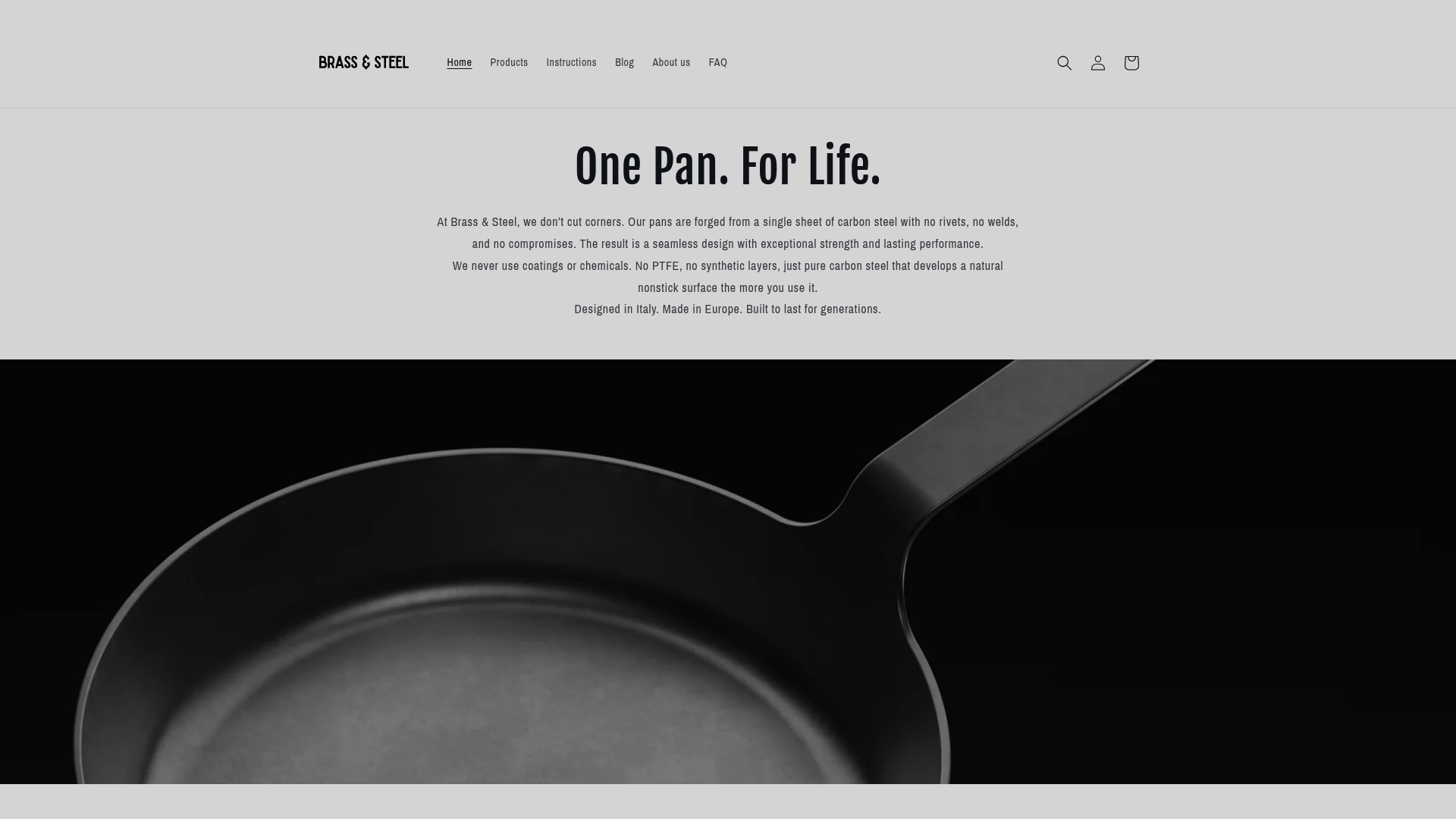
Explore the Carbon Steel Collection | Brass&Steel to find heirloom-quality, forged carbon steel pans designed with single-piece construction for strength and seamless cooking. With excellent heat retention, natural nonstick surfaces built from seasoning, and full induction compatibility, Brass & Steel cookware offers a solution for those wanting safe, efficient, and versatile kitchen tools. Ready to experience the true value of durable cookware and expert craftsmanship? Visit Brass & Steel now and take the first step towards expert cooking with confidence.
Frequently Asked Questions
What are the advantages of using steel cookware?
Steel cookware is known for its exceptional durability and ability to withstand high temperatures. To maximise its benefits, consider investing in quality pieces that can last for decades with proper care.
How do I maintain my steel cookware to ensure longevity?
To ensure the longevity of your steel cookware, clean it with soft sponges and warm soapy water, avoiding abrasive materials. Always dry it thoroughly after washing to prevent corrosion and maintain its pristine condition.
Is steel cookware safe for health-conscious cooking?
Yes, steel cookware is particularly safe for health-conscious cooking as it has a non-reactive surface, preventing harmful chemicals from leaching into your food. Choose reputable brands that adhere to strict safety standards to ensure the best quality cookware.
How does the cooking performance of steel cookware compare to other materials?
Steel cookware provides superior heat distribution and control, making it ideal for various cooking methods. To enhance your cooking experience, preheat your pans properly and avoid sudden temperature changes to prevent warping.
What are the downsides of using steel cookware?
One of the main downsides of steel cookware is its weight, which can be cumbersome for some users. If heavy cookware is an issue, consider opting for smaller or lighter versions that still offer the same durability and performance.
Recommended
- Carbon Steel Cookware Pros and Cons: Essential Insights – Brass & Steel
- Carbon Steel Pans: Achieving Precision in Cooking – Brass & Steel
- What Is Carbon Steel? Complete Guide for Cookware – Brass & Steel
- Complete Guide to Choosing Carbon Steel Cookware – Brass & Steel
- Rola Projektu Kuchni: Kompleksowy Przewodnik Domowy - Emmi Kuchnie - meble kuchenne na wymiar, szafy komandor, kuchnie bydgoszcz, meble na wymiar bydgoszcz, stolarz bydgoszcz