Ceramic vs Aluminium Cookware – Performance and Safety Explained
Most professional kitchens across Europe rely on durable cookware for precise results, and the british market is no exception. The choice between ceramic and aluminum pans can impact everything from heat control to health safety, with studies showing that modern ceramic coatings can reduce metal ion migration by up to 90 percent. Understanding these differences helps culinary experts and enthusiastic home cooks select tools that match their exact needs for performance, safety, and long-term maintenance.
Table of Contents
- Ceramic And Aluminium Cookware Defined
- Types And Variations: Manufacturing Processes
- Heat Performance And Cooking Results Compared
- Safety, Health, And Nonstick Properties
- Durability, Maintenance, And Compatibility
- Comparing Value And Professional Applications
Key Takeaways
| Point | Details |
|---|---|
| Material Characteristics | Ceramic cookware offers even heat distribution and non-reactivity, while aluminium provides rapid heat response and excellent conductivity. |
| Manufacturing Distinction | Ceramic cookware involves intricate shaping and firing methods, whereas aluminium cookware entails precision forming and surface treatments. |
| Safety and Health | Advanced ceramic coatings exhibit minimal chemical leaching, while aluminium cookware should be carefully selected to mitigate metal exposure concerns. |
| Durability and Maintenance | Ceramic cookware is more resistant to scratches, whereas aluminium requires robust cleaning methods and surface coatings for longevity. |
Ceramic and Aluminium Cookware Defined
Ceramic and aluminium cookware represent two distinct approaches to kitchenware design, each offering unique characteristics for culinary professionals and home cooks. Ceramic cookware fundamentally comprises two primary categories: traditional clay vessels fired at high temperatures and modern metal pans coated with silica-based ceramic layers. These materials provide diverse cooking experiences with specific performance attributes.
Aluminium cookware encompasses several engineering variations, ranging from pure metal constructions to advanced anodized and multi-layered designs. The base material offers exceptional thermal conductivity, allowing rapid and even heat distribution across cooking surfaces. Engineering research indicates that ceramic coatings on aluminium can significantly enhance non-stick properties and reduce potential metal ion migration, making these hybrid cookware options particularly attractive for health-conscious consumers.
The manufacturing processes for ceramic and aluminium cookware differ substantially. Ceramic vessels involve clay preparation, intricate shaping, and high-temperature firing, while aluminium cookware requires precision metal forming, potential surface treatments, and protective coating applications. Modern ceramic-coated aluminium pans represent a sophisticated fusion of traditional craftsmanship and advanced materials engineering, delivering improved cooking performance and aesthetic appeal.
Pro tip: When selecting between ceramic and aluminium cookware, consider your specific cooking techniques, heat requirements, and maintenance preferences to find the most suitable option for your kitchen.
Types and Variations: Manufacturing Processes
Aluminium cookware manufacturing represents a sophisticated engineering process involving multiple complex stages. Advanced industrial techniques transform raw aluminium through precise casting, rolling, and forming methods, creating cookware with specific performance characteristics. These processes typically involve selecting high-grade aluminium alloys, melting them at controlled temperatures, and applying specialised forming techniques to create seamless, durable cooking surfaces.
Ceramic manufacturing for cookware utilises sophisticated powder metallurgy techniques, including precision injection molding and advanced firing processes. The production involves selecting specific ceramic compounds like alumina or silicon carbide, preparing fine ceramic powders, and subjecting them to extremely high temperatures to create robust, heat-resistant cooking vessels. These manufacturing methods ensure consistent material properties, thermal stability, and long-term durability of ceramic cookware.
The surface treatment and finishing stages are critical in both aluminium and ceramic cookware production. Aluminium pans often undergo anodization or multi-layer coating processes to enhance corrosion resistance and non-stick properties, while ceramic cookware requires intricate glazing and final firing to create smooth, impermeable cooking surfaces. These finishing techniques significantly impact the cookware’s performance, aesthetic appeal, and overall cooking characteristics.
Pro tip: When evaluating cookware, examine the manufacturing details to understand the material’s quality, durability, and potential cooking performance.
The following table summarises manufacturing process distinctions for ceramic and aluminium cookware:
| Stage | Ceramic Cookware | Aluminium Cookware |
|---|---|---|
| Raw Material Prep | Clay or speciality powders | Aluminium alloy selection |
| Forming Process | Moulding and firing | Casting, rolling, or forming |
| Surface Treatment | Glazing and high-temp firing | Anodisation or multi-layer coats |
| Final Finish | Smooth, impermeable glaze | Nonstick or corrosion coating |
Heat Performance and Cooking Results Compared
Thermal performance distinguishes ceramic and aluminium cookware through remarkable engineering differences. Scientific research reveals critical variations in heat distribution and cooking efficiency between these two material types, with aluminium demonstrating exceptional heat conductivity and rapid temperature response, while ceramic cookware offers more consistent and gradual heat retention.
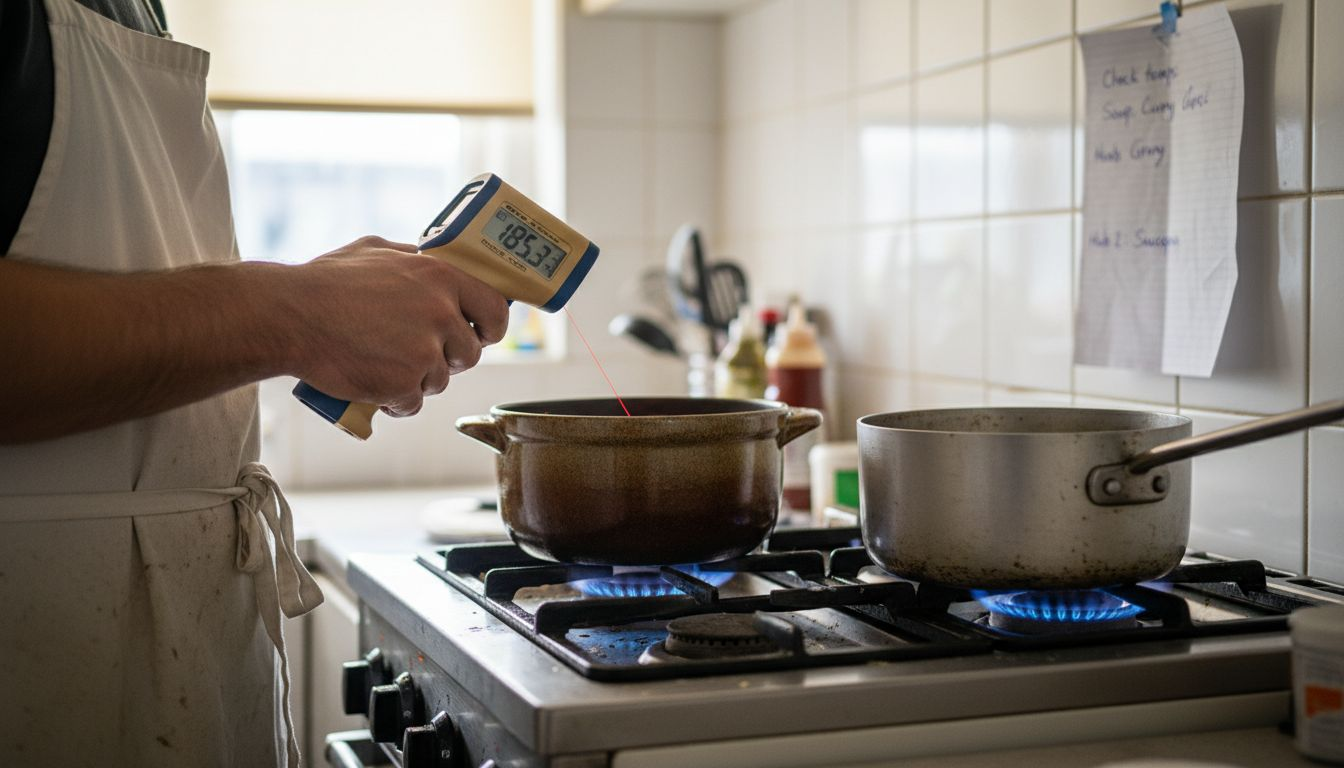
Comprehensive thermal efficiency studies demonstrate nuanced performance characteristics across different cookware materials. Aluminium pans typically heat up faster and respond more quickly to temperature changes, making them ideal for recipes requiring precise heat manipulation. Ceramic cookware, by contrast, provides more even heat distribution, reducing potential hot spots and ensuring more uniform cooking results, particularly beneficial for delicate dishes requiring gentle, consistent warming.
The cooking results differ substantially between these materials. Aluminium cookware excels in rapid searing and quick temperature adjustments, perfect for professional chefs who need immediate heat response. Ceramic cookware, with its superior heat retention properties, performs exceptionally well for slow-cooking techniques, maintaining steady temperatures and preventing sudden thermal fluctuations that might compromise food quality. These distinct thermal characteristics mean each material suits different cooking styles and culinary preferences.
Pro tip: Consider your primary cooking techniques when selecting between aluminium and ceramic cookware, matching the material’s thermal performance to your specific culinary needs.
Here is a comparative overview of ceramic and aluminium cookware designed to help you match materials to your cooking needs:
| Attribute | Ceramic Cookware | Aluminium Cookware |
|---|---|---|
| Heat Distribution | Even, gradual heating | Rapid, highly responsive |
| Heat Retention | Superior, maintains consistent warmth | Lower, cools quickly after heating |
| Surface Reactivity | Non-reactive, suitable for acidic foods | Reactive; often requires coating |
| Best for | Gentle simmering, slow cooking | Searing, sautéing, quick browning |
| Maintenance | Requires gentle cleaning, avoid shocks | Robust cleaning, tolerate abrasives |
| Longevity | Resistant to scratches and wear | Durable with surface treatments |
Safety, Health, and Nonstick Properties
Nonstick properties in ceramic and aluminium cookware involve complex material science considerations that directly impact user safety and cooking performance. Comprehensive research investigates the safety profile of modern ceramic nonstick coatings, revealing nuanced insights into potential health risks and material stability. Ceramic coatings typically employ silica-based technologies that offer superior nonstick performance with reduced chemical leaching compared to traditional synthetic nonstick surfaces.
Aluminium cookware presents unique safety challenges, particularly regarding surface treatments and potential metal ion migration. Ceramic coatings applied to aluminium substrates provide an important barrier against direct metal contact, mitigating concerns about aluminium exposure during cooking. Modern manufacturing techniques have significantly improved coating durability, creating nonstick surfaces that maintain integrity across multiple cooking cycles while minimising potential chemical interactions with food.
The thermal stability of nonstick surfaces represents a critical safety consideration for both ceramic and aluminium cookware. Ceramic coatings demonstrate remarkable resistance to degradation at standard cooking temperatures, maintaining their nonstick properties without releasing harmful particles or toxic compounds. Professional cooks and health-conscious consumers increasingly prioritise cookware options that balance excellent cooking performance with minimal chemical interaction, making advanced ceramic and carefully engineered aluminium surfaces increasingly attractive alternatives to traditional nonstick technologies.
Pro tip: Select cookware with transparent manufacturing specifications and avoid exposing nonstick surfaces to extreme temperatures to maintain both performance and safety.
Durability, Maintenance, and Compatibility
Cookware durability represents a complex interplay of material engineering and practical usage considerations. Comprehensive research reveals distinct performance characteristics for ceramic and aluminium cookware across different maintenance scenarios, highlighting critical differences in long-term resilience and care requirements. Ceramic cookware typically demonstrates superior resistance to scratching and chemical degradation, while aluminium pans offer remarkable thermal conductivity with appropriate surface treatments.
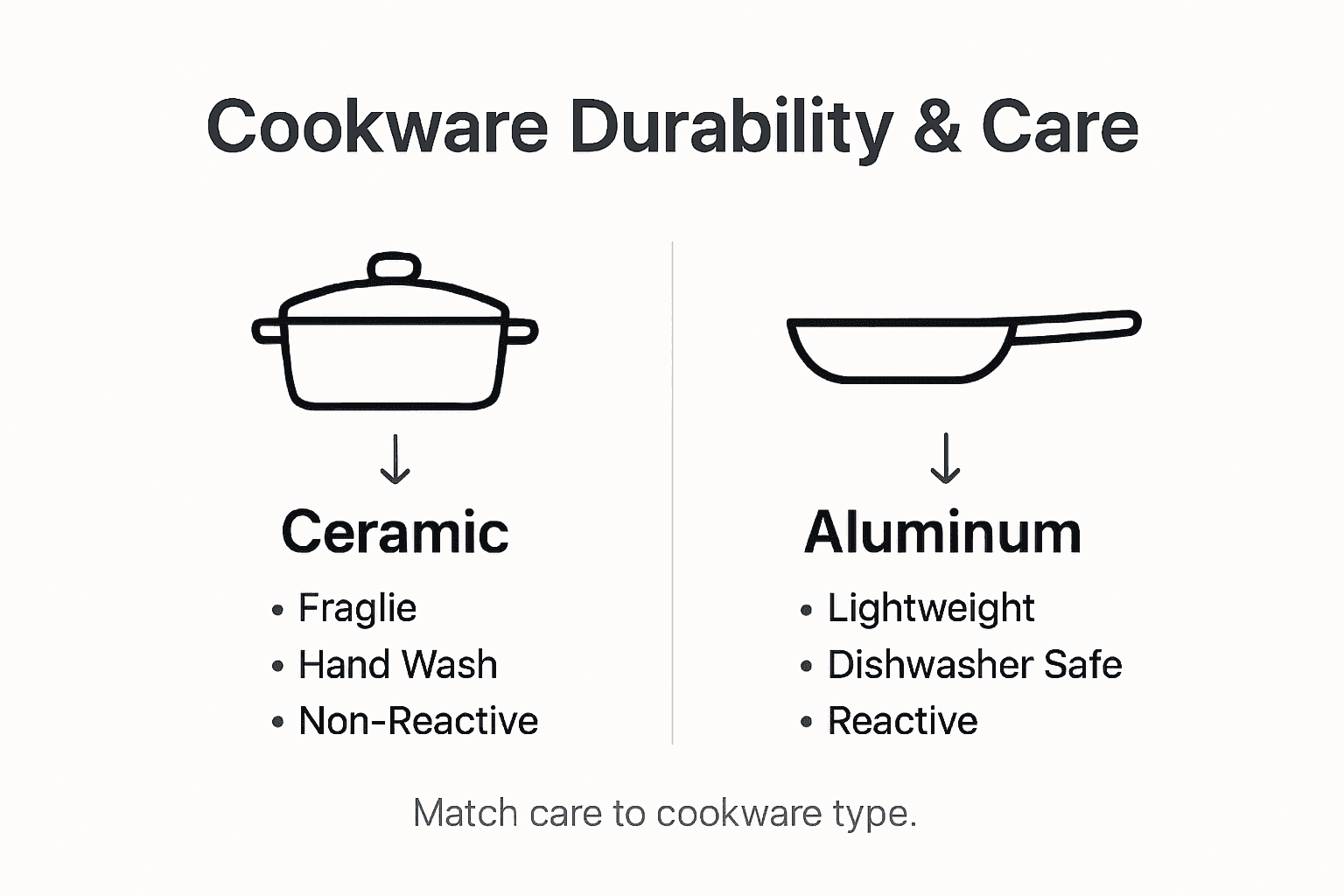
Compatibility across cooking surfaces presents another nuanced dimension in cookware selection. Ceramic-coated cookware generally performs consistently across gas, electric, and induction stovetops, providing versatile cooking options for modern kitchens. Aluminium pans, particularly those with advanced anodized or multi-layer coatings, have evolved to offer similar multi-platform compatibility, though precise engineering specifications can vary significantly between manufacturers.
Maintenance protocols differ substantially between ceramic and aluminium cookware. Ceramic surfaces require gentler cleaning approaches, avoiding abrasive tools and extreme temperature variations that might compromise coating integrity. Aluminium cookware, especially with modern protective treatments, can withstand more robust cleaning techniques while maintaining surface quality. Professional cooks and home chefs must understand these material-specific maintenance requirements to preserve cookware performance and extend functional lifespan.
Pro tip: Always consult manufacturer guidelines for specific maintenance instructions, as improper care can dramatically reduce your cookware’s durability and performance.
Comparing Value and Professional Applications
Economic considerations in cookware selection extend far beyond initial purchase price. Comprehensive engineering analyses reveal nuanced performance metrics comparing ceramic and aluminium cookware across professional and domestic environments, highlighting sophisticated trade-offs between material costs, durability, and long-term functional value. Professional kitchens prioritise cookware that balances initial investment with sustained performance, making material selection a strategic decision.
Detailed comparative assessments demonstrate significant variations in cookware material characteristics, with aluminium and ceramic options presenting distinct advantages for different culinary applications. Aluminium cookware typically offers superior thermal conductivity and lower manufacturing costs, making it attractive for high-volume commercial kitchens. Ceramic cookware, by contrast, provides enhanced non-reactive surfaces and aesthetic versatility, appealing to speciality restaurants and health-conscious professional environments.
The total cost of ownership represents a critical evaluation metric beyond initial pricing. Aluminium cookware with advanced surface treatments can provide remarkable longevity, while ceramic options offer unique benefits in heat distribution and reduced maintenance requirements. Professional chefs must consider factors like replacement frequency, cleaning protocols, and specific cooking technique compatibility when selecting between these material technologies. The most sophisticated culinary operations often integrate multiple cookware types to optimise specific cooking processes.
Pro tip: Evaluate cookware investments based on total lifecycle performance, not just initial purchase price, considering factors like maintenance costs, durability, and specific cooking requirements.
Discover the Perfect Cookware for Health and Performance
Choosing between ceramic and aluminium cookware can leave serious cooks searching for a blend of durability, safety, and unrivalled cooking results. This article highlights the challenges of nonstick surface longevity, heat management, and chemical safety that many face when selecting cookware. If you want cookware that delivers excellent heat retention without coatings or potential health concerns, consider the natural, high-performance benefits of carbon steel.
Explore our Carbon Steel Collection | Brass&Steel, where each pan is forged in one piece to offer seamless strength, natural nonstick surfaces built through seasoning, and exceptional heat responsiveness. Our handmade pans are free of PTFE, PFOA, and synthetic coatings, providing you with a safe and durable option that performs brilliantly on all cooktops, including induction. Visit Brass & Steel now to experience heirloom-quality cookware designed for serious cooking and health-conscious kitchens.
Frequently Asked Questions
What are the main differences between ceramic and aluminium cookware?
Ceramic cookware is generally made from clay or speciality powders, providing even heat distribution and superior heat retention. Aluminium cookware, on the other hand, is known for exceptional thermal conductivity and rapid heating. Each material caters to different cooking needs and styles.
Is ceramic cookware safe to use compared to aluminium cookware?
Yes, ceramic cookware is considered safer as it typically has a non-reactive silica-based coating that reduces the risk of chemical leaching. While aluminium cookware can pose concerns about metal ion migration, ceramic coatings applied to aluminium can mitigate these risks.
How do the nonstick properties of ceramic and aluminium cookware compare?
Ceramic cookware offers superior nonstick performance due to its silica-based coatings, which are less likely to leach chemicals. Aluminium cookware, especially when treated with modern nonstick coatings, can also be nonstick but may require careful maintenance to ensure long-lasting performance.
What maintenance practices are recommended for ceramic and aluminium cookware?
Ceramic cookware requires gentle cleaning and should avoid abrasive tools to preserve the coating. Aluminium cookware can withstand more robust cleaning methods, but it’s still essential to follow manufacturer guidelines to maintain its finish and efficiency.
Recommended
- Stainless Steel vs Ceramic Cookware – Which Suits Serious Cooks? – Brass & Steel
- Nonstick Alternatives Explained: Understanding Safe Options – Brass & Steel
- Non-Toxic Cookware Choices: Carbon Steel vs Ceramic Pans – Brass & Steel
- Understanding Copper vs Ceramic Cookware: Key Insights – Brass & Steel
- 7 Vantaggi delle corone in zirconio vs metallo-ceramica: quale materiale scegliere nel 2025? - dentalnetcare.it