7 Essential Facts: Carbon Steel vs Cast Iron List for Cooks
Choosing between carbon steel and cast iron pans can feel overwhelming when you want cookware that matches your cooking style and daily routine. The differences are not just about tradition or looks—they affect everything from how easily you can lift your pan to how well your food cooks and even how simple clean-up becomes afterwards. If you have ever wondered which material suits precise temperature control, delivers the best nonstick surface, or offers long-term durability, you are in the right place.
This guide will break down the key distinctions based on real features and hands-on use, arming you with practical insights to make the best decision for your kitchen. Discover how nuances in weight, heat retention, maintenance, and safety could transform your everyday cooking. Read on and uncover the specific advantages that each material brings to the table—your perfect pan might be closer than you think.
Table of Contents
- 1. Weight and Handling Differences Explained
- 2. Heat Retention and Responsiveness Compared
- 3. Nonstick Properties: Seasoning and Patina
- 4. Durability and Longevity in Daily Use
- 5. Health and Safety: Cooking Surface Materials
- 6. Ease of Cleaning and Ongoing Maintenance
- 7. Which Is Best: Key Uses for Each Material
Quick Summary
| Takeaway | Explanation |
|---|---|
| 1. Carbon steel is lighter than cast iron | Weighing 25 to 40 percent less, carbon steel offers better control and less fatigue during cooking, especially in professional settings. |
| 2. Use cast iron for heat retention | Cast iron maintains consistent temperature, perfect for searing and slow cooking, ensuring perfect crusts and even cooking results. |
| 3. Carbon steel develops nonstick properties | Through seasoning, carbon steel builds a natural, safe nonstick surface, improving its performance with each use over time. |
| 4. Carbon steel is easier to clean | Its smoother surface allows for quick cleaning, reducing maintenance time compared to the more textured surface of cast iron. |
| 5. Choose based on cooking style | Carbon steel excels in speed and precision, while cast iron shines in sustained heat applications; owning both enhances kitchen versatility. |
1. Weight and Handling Differences Explained
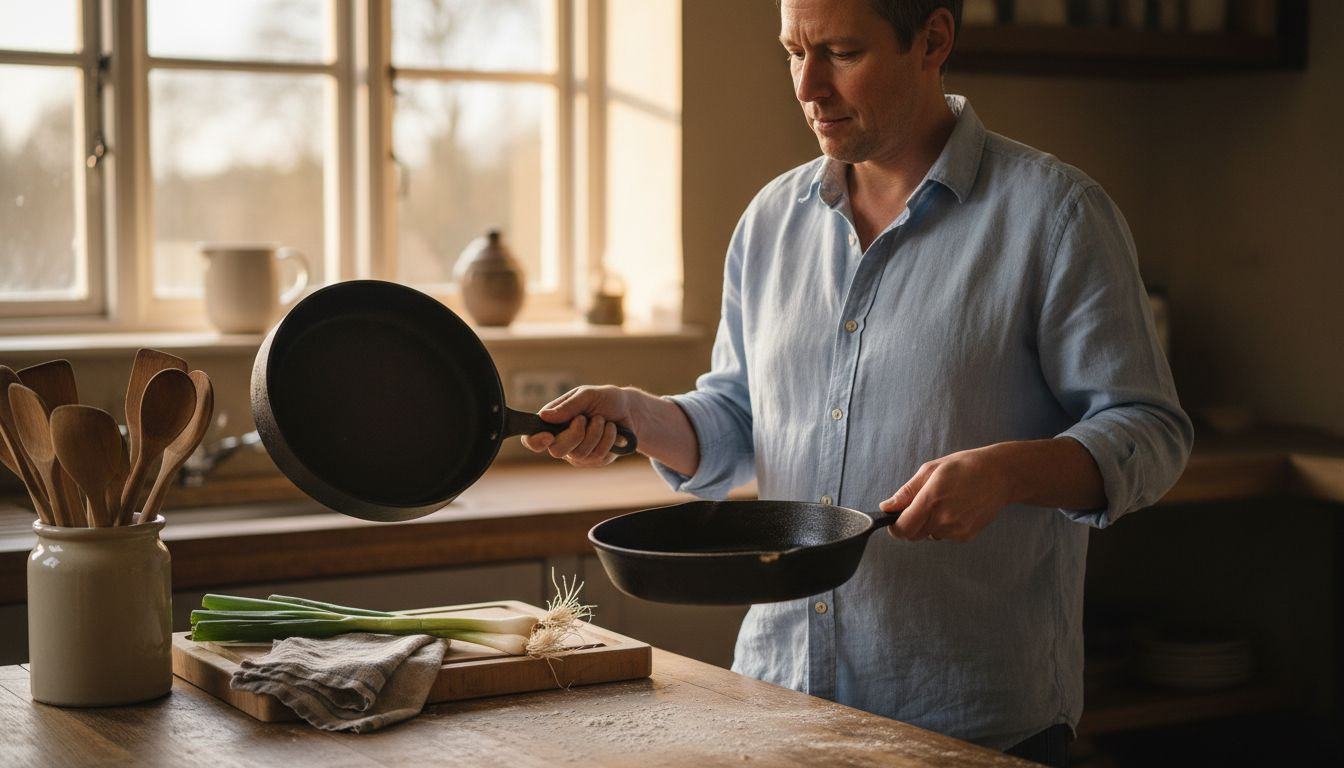
One of the most noticeable differences between carbon steel and cast iron starts the moment you lift the pan off the shelf. Carbon steel weighs significantly less, often 25 to 40 per cent lighter than its cast iron counterpart, and this matters far more than you might think when you are working in a professional kitchen or cooking for extended periods.
The reason for this weight disparity comes down to manufacturing. Carbon steel pans are created by pressing and rolling thin sheets of steel into shape, producing a sleek, lightweight tool. Cast iron, by contrast, is made by pouring molten metal into moulds, which results in thicker walls and a heavier, bulkier product. This fundamental difference in production means cast iron will always feel substantially more substantial in your hand, whilst carbon steel offers a responsive, nimble feel during cooking.
When you are searing steaks or tossing vegetables at high heat, this weight difference translates directly into control. A lighter pan responds faster to your movements, allows for quicker adjustments to heat, and reduces fatigue when you are working a busy service. You can flip items with precision, pour sauces effortlessly, and manoeuvre around your cooktop without the strain that comes with cast iron’s heft. For professional chefs and serious home cooks who spend hours at the stove, this becomes an ergonomic advantage that compounds throughout a cooking session.
Storage also benefits from carbon steel’s lighter weight. Wall mounted racks, magnetic strips, and overhead hanging systems all become practical options rather than risky propositions. Cast iron’s substantial mass means many cooks end up storing their pans at counter level or in lower cabinets simply because the weight makes overhead storage precarious.
The handle design differs notably between the two as well. Carbon steel pans typically feature longer, riveted stainless steel handles that extend further from the pan body, whilst cast iron handles are integral to the casting and tend to be shorter and stubbier. The longer handle on carbon steel provides better leverage, keeps your hand further from heat sources, and reduces the likelihood of accidental contact with hot surfaces during cooking.
Professional tip If you are switching from cast iron, start with a 27 cm carbon steel pan to experience the weight difference directly, then progress to the 30 cm once you understand how the lighter construction affects your technique and movement around the cooktop.
2. Heat Retention and Responsiveness Compared
Here is where carbon steel and cast iron truly diverge in practical cooking. Both materials conduct and hold heat effectively, but they behave very differently once they reach temperature, and this distinction shapes how you should approach each pan for different cooking tasks.
Cast iron excels at heat retention. Once it reaches your desired temperature, it holds that heat with remarkable steadiness. The thick walls and heavy mass act like a thermal battery, maintaining consistent temperature even when you add cold ingredients to the pan. This makes cast iron the superior choice for searing steaks, frying chicken, or slow cooking dishes where you want unwavering heat throughout the cooking process. The pan does not cool significantly when you place a cold steak on it, meaning the crust develops beautifully and evenly.
Carbon steel operates differently and this is where it shines for many cooking applications. While carbon steel retains heat well, it cools faster and responds quickly to temperature changes, giving you precise control over your cooking environment. This responsiveness means you can adjust heat rapidly without the lag time that cast iron requires. If your sauce is reducing too quickly, you drop the temperature and the pan cools accordingly within seconds. Need to increase heat to get a quick sear on vegetables? Carbon steel responds immediately.
This difference becomes crucial when you are sautéing delicate ingredients or simmering sauces that demand attention. A professional chef working with carbon steel can make minute adjustments to heat intensity with confidence that the pan will respond faithfully. Cast iron requires more anticipatory thinking because changing the temperature takes longer to register in the pan itself.
Think about the practical reality of a busy kitchen. You are working multiple dishes simultaneously. Carbon steel’s quick responsiveness allows you to manage several pans at different temperatures more effectively. You can move a pan to a cooler burner section and know it will cool quickly. With cast iron, that thermal lag becomes a disadvantage in situations requiring rapid adjustments.
That said, cast iron’s heat retention remains invaluable for specific tasks. Making a perfect Yorkshire pudding requires consistent, unfaltering heat. Searing a thick cut of meat for restaurant quality crust demands the thermal stability that cast iron provides. For these applications, there is simply no substitute.
The thickness of carbon steel pans also influences their heat characteristics. A 3 millimetre carbon steel pan like the 27 centimetre model heats faster and cools faster than thicker cast iron. A 4 millimetre carbon steel pan like the 30 centimetre version offers slightly more heat retention whilst still maintaining superior responsiveness compared to cast iron.
Professional tip Use cast iron when you need unwavering, sustained heat for searing or frying, and reach for carbon steel when your cooking demands precise temperature control and quick adjustments throughout the cooking process.
3. Nonstick Properties: Seasoning and Patina
Unlike cast iron or synthetic nonstick coatings, carbon steel creates its own natural nonstick surface through seasoning and patina development. This built surface is not applied in a factory. You build it yourself through cooking, and this process transforms how your pan performs over time.
When you season a carbon steel pan, you are not simply protecting it from rust, though that matters. You are creating a polymerised layer of oil that bonds to the steel surface at a molecular level. Each time you cook with fat or oil, you add microscopic layers to this patina. Over weeks and months, these layers accumulate into a genuinely nonstick surface that rivals synthetic coatings, except it is completely safe and improves with use rather than degrading.
The nonstick quality that develops is fundamentally different from cast iron’s patina. Cast iron’s rough, porous surface holds oil in its texture, creating friction that helps prevent sticking. Carbon steel’s smoother original surface means the seasoning sits differently. The polymerised oils fill microscopic imperfections and create a genuinely slippery coating. Eggs slide across a well seasoned carbon steel pan with remarkable ease. Delicate fish fillets release cleanly without sticking or tearing.
This nonstick performance improves gradually. Your new carbon steel pan will not perform like a decades old family heirloom immediately. The first month requires conscious effort and proper technique. Use adequate fat for cooking, allow dishes to develop a crust before attempting to flip them, and clean promptly with warm water rather than soaking. As patina development happens over time, you will notice progressive improvement in how freely foods release from the surface.
One significant advantage of carbon steel’s nonstick system is that you control it completely. If your pan becomes sticky or develops a gummy surface, you can strip the seasoning and start fresh. This happens occasionally when someone uses too much oil during seasoning or stores the pan in a humid environment. The fix takes an afternoon. With synthetic nonstick coatings, degradation is permanent.
Maintaining your seasoning involves simple practices. Cook with adequate fats regularly, especially items like bacon, duck, or sautéed vegetables that contribute their own oils. Dry your pan immediately after washing and apply a light coat of oil whilst the surface is still warm. Avoid prolonged soaking or harsh scrubbing. When you follow proper seasoning practices, your carbon steel pan becomes more nonstick with each use, not less.
Cast iron requires similar seasoning care, but the porous surface means the patina sits differently and develops more slowly. Carbon steel’s dense surface allows seasoning to build faster and create a slicker finish more quickly. Many cooks find they achieve reliable nonstick performance in carbon steel within a few weeks of regular use.
The health advantage deserves emphasis. You are building a nonstick surface from food grade oils, nothing synthetic. No perfluorinated compounds, no PTFE, no mysterious coatings that might degrade at high temperatures. The patina is literally polymerised fat. It is completely safe, completely food compatible, and completely under your control.
Professional tip Cook with fatty ingredients at least twice weekly to maintain and strengthen your patina, and always apply a thin oil coat whilst your pan is still warm after washing to build consistent seasoning over time.
4. Durability and Longevity in Daily Use
Both carbon steel and cast iron can become kitchen workhorses that outlast you if treated properly. The difference lies in how they fail and what kind of maintenance they demand over years of regular cooking.
Cast iron is built to last generations. Its thick construction and solid mass mean it can withstand years of hard use in a professional kitchen or family home. Cast iron pans from the nineteenth century are still cooking food today. However, cast iron has a critical vulnerability. It is brittle. Drop it on a hard floor or subject it to extreme temperature swings, and you risk cracking. A crack in cast iron is permanent. You cannot weld it back together and have it perform reliably. Once fractured, a cast iron pan is largely finished as a cooking tool.
Carbon steel approaches durability from a different angle. Being more ductile with less carbon content, carbon steel is more flexible and less prone to cracking than cast iron. You can drop a carbon steel pan and it will survive the fall where cast iron might shatter. This flexibility is a significant practical advantage in a busy kitchen where accidents happen. The material simply bends rather than breaks under impact.
That flexibility comes with a trade off. Carbon steel requires consistent maintenance to prevent rust. Cast iron, once properly seasoned, is relatively forgiving if you miss a day of proper drying. Carbon steel demands more attention. Cook several times weekly, maintain your seasoning, dry promptly after washing, and store in a dry environment. Neglect your carbon steel pan for months and rust will develop. Proper maintenance practices become essential for long term durability.
The practical reality of daily kitchen use favours carbon steel’s durability profile. A pan that bends but does not break is more useful than one that is theoretically more robust but can crack irreparably. You will use your carbon steel pan with less fear of catastrophic failure. You can be more aggressive in the kitchen knowing that the material will flex under stress rather than fracture.
Longevity depends heavily on how you cook and what your kitchen habits are. A professional chef using a pan multiple times daily will find carbon steel superior because of its damage resistance and responsiveness. A home cook who uses the same cast iron skillet twice weekly might never encounter brittleness issues and will appreciate cast iron’s low maintenance seasoning.
Both materials offer exceptional longevity when properly maintained. Cast iron can last decades or longer with minimal intervention beyond cooking with fat and basic cleaning. Carbon steel requires more intentional care, but in return offers superior impact resistance and the ability to handle the rigours of a professional kitchen environment. The choice comes down to whether you value cast iron’s forgiving nature and generations of proven durability, or carbon steel’s flexibility and responsiveness under daily stress.
One often overlooked advantage of carbon steel is repairability. If your seasoning becomes compromised or the surface becomes sticky, you can strip it and re season the pan. The metal itself remains unchanged. Cast iron cannot be reconditioned if the metal has developed issues beyond simple surface rust.
Professional tip Choose carbon steel if you cook frequently and need a pan that can withstand kitchen accidents and demanding daily use, and select cast iron if you prefer low maintenance seasoning and plan to use the pan consistently over many years.
5. Health and Safety: Cooking Surface Materials
When you choose cookware, you are making a health decision that affects every meal you prepare. Both carbon steel and cast iron offer safety profiles that stand apart from synthetic nonstick coatings, and this distinction matters significantly for health conscious cooks.
Neither carbon steel nor cast iron contains the problematic chemicals found in some modern nonstick cookware. There are no perfluorinated compounds, no PTFE, no PFOA lurking in your pan. You will not inhale dangerous fumes if you accidentally overheat your pan. There is no coating that degrades over time and sheds microparticles into your food. This alone puts both materials ahead of conventional nonstick options when considering long term health implications.
Both materials may transfer small amounts of iron to your food during cooking, particularly when cooking acidic ingredients like tomato sauce or lemon juice. For most people, this iron transfer is negligible and actually beneficial. Iron is an essential mineral your body needs. If you eat a varied diet with adequate iron sources, the additional iron from your cookware contributes positively. The well-seasoned surface on both carbon steel and cast iron acts as a protective barrier that minimises metal leaching and ensures your cooking surface remains safe.
There is one important consideration. If you have a medical condition related to iron metabolism such as haemochromatosis or thalassaemia, you should discuss your cookware choices with your doctor. For these individuals, reducing dietary iron sources matters medically. Otherwise, iron leaching from cookware poses minimal risk for most people and can be nutritionally advantageous.
Carbon steel specifically offers the advantage of being completely free from the toxic coatings associated with some nonstick cookware. When you season a carbon steel pan, you are building a nonstick surface from food grade oils. Nothing synthetic touches your food. You control exactly what is on your cooking surface. This transparency is valuable for cooks who care deeply about food safety and ingredient sourcing.
Cast iron shares this safety profile. The iron itself is inert and safe. Proper seasoning creates a protective barrier that prevents direct contact between food and the bare metal. The seasoning process uses only oil, another food ingredient. Cast iron cookware has been used safely for generations, and contemporary scientific evidence confirms its safety for virtually all applications.
One consideration that often gets overlooked is leaching from damaged synthetic coatings. Traditional nonstick pans can develop scratches and peeling over years of use. Once the coating degrades, the underlying metal may leach into food, and the nonstick properties disappear anyway. Carbon steel and cast iron improve with age. They do not degrade. They do not require replacement. They become safer and more effective cooking tools as years pass.
For a professional chef or serious home cook prioritising health alongside performance, both materials represent optimal choices. Understanding which materials are safest for cooking helps you make informed decisions about your kitchen equipment. You can cook with confidence knowing your pan is contributing nothing harmful to your food.
Professional tip Build your seasoning with high smoke point oils like grapeseed or avocado oil rather than lower temperature options, ensuring your protective barrier remains intact and functions optimally through years of cooking.
6. Ease of Cleaning and Ongoing Maintenance
The difference between cleaning carbon steel and cast iron becomes apparent the moment you finish cooking. One pan practically cleans itself whilst the other demands patience and careful technique. This daily reality affects your long term satisfaction with your cookware.
Carbon steel’s smoother surface is a game changer for cleaning. Because the metal lacks the porous texture of cast iron, food debris does not embed into tiny crevices. You wash your pan with warm water and a gentle cloth, and the food simply releases. The riveted stainless steel handle also makes thorough washing straightforward. You can grip the handle firmly, scrub the entire cooking surface without worry, and rinse completely. The whole process takes minutes.
Cast iron’s rough, textured surface presents a different challenge. Food can lodge in the porous texture, and the more you scrub to remove it, the more you risk damaging the seasoning you have carefully built. The integral one piece handle, whilst structurally superior, means you cannot always access certain areas of the pan easily during washing. Professional chefs and serious home cooks learn to work around these constraints, but it requires technique and patience.
Drying speed matters significantly for long term maintenance. Carbon steel pans are easier to maintain due to their smoother surfaces that resist rust better when properly seasoned. The smooth finish means water sheets off rather than being trapped in texture. You can dry your carbon steel pan thoroughly in seconds. Cast iron, by contrast, holds moisture in its porous surface. You must dry it completely with a cloth, then often place it on a warm burner briefly to ensure all moisture evaporates. Missing even small pockets of water can lead to rust spots developing over time.
Ongoing seasoning maintenance differs between the two materials as well. Carbon steel requires more frequent seasoning because the smoother surface builds patina more slowly than cast iron’s textured surface. However, because the surface is smoother, applying oil and wiping excess takes less time. You apply a light coat after washing whilst the pan is still warm, wipe thoroughly, and you are done. Cast iron’s rougher surface requires more deliberate oiling techniques to ensure adequate coverage across the entire textured surface.
Rust prevention presents another maintenance distinction. Cast iron requires religious attention to drying because rust can develop quickly on bare spots. Carbon steel, when properly seasoned, resists rust more effectively due to the tighter bond between oil and the smooth metal surface. That said, carbon steel stored in humid environments without regular use can develop surface rust if neglected. Neither material is completely maintenance free, but carbon steel’s lower maintenance burden suits busy professional kitchens and home cooks with limited time for cookware care.
The cleanup after cooking acidic dishes highlights these differences. Tomato based sauces or lemon juice require extra attention with both materials. With carbon steel, you simply wash thoroughly and re season slightly more generously that night. With cast iron, the same task involves more careful scrubbing to avoid damaging the seasoning, followed by meticulous drying and immediate oiling. The extra steps add up across numerous cooking sessions.
For a professional chef working multiple services daily, carbon steel’s easier maintenance becomes a significant operational advantage. You want cookware that supports quick turnaround between services, not equipment that demands extended cleaning protocols. The time savings compounds significantly across hundreds of cooking sessions annually.
Professional tip Develop a consistent post wash routine for your carbon steel pan, washing with warm water immediately after cooking, drying with a cloth whilst still warm, then applying a light oil coat and wiping excess before storage, which takes under two minutes and prevents rust development completely.
7. Which Is Best: Key Uses for Each Material
The honest answer is neither material is universally best. Each excels in specific cooking scenarios, and the most capable kitchen includes both. Understanding where each material shines helps you make strategic decisions about your cookware investment.
Carbon steel dominates when speed and precision matter. Stir frying requires rapid heat adjustments and constant movement. Your wok equivalent needs to respond instantly when you increase flame or move the pan off heat momentarily to prevent overcooking. Carbon steel’s responsiveness makes it the superior choice. You make a move, the pan follows immediately. Cast iron’s thermal lag means you are always slightly behind your intentions. Similarly, searing a scallop or sautéing delicate mushrooms demands that you can adjust heat in real time. If the pan is too hot, you drop temperature instantly and the surface cools. With cast iron, you are fighting against the material’s desire to hold heat.
Rapid temperature changes are carbon steel’s domain. You sear protein at high heat, then immediately reduce to medium to finish cooking through without burning the exterior. You sauté aromatics briefly, then add liquid for a pan sauce. These techniques all benefit from a pan that responds to your heat adjustments with precision. Carbon steel delivers this consistently.
Cast iron’s strength lies in consistency. Braising a beef cheek for three hours requires unwavering, steady heat. The thick walls and massive thermal mass keep temperature rock solid even as you move the pan from stovetop to oven multiple times. Cast iron’s heat retention is actually an advantage here, not a limitation. You want the liquid to simmer at exactly the same temperature for the entire cooking duration. Cast iron provides this naturally.
Roasting vegetables at high temperature benefits from cast iron’s ability to maintain temperature. You load a hot pan with cold root vegetables, and cast iron barely flinches. The temperature remains high enough to develop a proper caramelised exterior. Carbon steel cools noticeably when you add cold ingredients, potentially resulting in steaming rather than proper browning. For batches of fried chicken or French fries, cast iron’s sustained heat means every piece cooks at the same temperature throughout the session.
Baking applications favour cast iron. A skillet cornbread needs consistent oven heat throughout the baking period. Cast iron’s mass distributes heat evenly and maintains temperature reliably. Dutch oven braising, bread baking in cast iron, and pizza stones all benefit from cast iron’s thermal properties. Carbon steel can handle these applications, but cast iron is more forgiving and delivers superior results more consistently.
Pizza presents an interesting comparison. Cast iron’s superior heat retention helps develop a proper crust with good browning. Carbon steel works but requires more attention to prevent burning the bottom before the toppings cook through. Professional pizzerias use cast iron for good reasons.
However, many kitchens benefit most from owning both materials. A professional chef might use a carbon steel sauté pan for lunch service, preparing dishes requiring rapid heat control, then switch to cast iron for dinner service braises and roasted items. A home cook serious about cooking could invest in one quality carbon steel pan for everyday sautéing and quick cooking, and one cast iron piece for braising and roasting.
For a cook working primarily with European cuisine emphasizing sauces and quick techniques, carbon steel becomes the obvious primary choice. For someone cooking French classic cuisine with long braising sessions and consistent heat requirements, cast iron makes more sense. Understanding which material suits different cooking techniques helps you build a cookware collection matched to your actual cooking patterns rather than theoretical ideals.
Consider your cooking frequency and style. If you cook multiple times daily preparing dishes requiring precise heat control, a quality carbon steel pan becomes an essential tool. If you cook three times weekly with emphasis on roasting and braising, cast iron delivers superior results with minimal maintenance frustration.
The reality is that owning both materials creates the most versatile kitchen. Each material excels at specific tasks, and having both allows you to choose the right tool for each application rather than compromising with a single material that handles both adequately but masters neither.
Professional tip Start with whichever material matches your most frequent cooking style, then add the complementary material once you have mastered the first, building a complete cookware foundation that covers all your regular cooking applications efficiently.
Below is a comprehensive table comparing the characteristics, advantages, and practical uses of carbon steel and cast iron cookware as discussed in the given article.
| Material | Key Features | Advantages | Best Uses |
|---|---|---|---|
| Carbon Steel | Lightweight; responsive heat control; smooth surface | Easier handling and manoeuvrability; fast heat adjustments for precision cooking; builds nonstick surface through seasoning | Ideal for quick cooking, sautéing, and techniques requiring rapid temperature changes |
| Cast Iron | Heavier; superb heat retention; textured surface | Even heat distribution; superior for baking and frying; retains heat excellently for consistent cooking | Perfect for slow cooking, braising, and baking applications |
This summary provides an accessible overview of the unique qualities and applications of each material to aid in informed cookware selection.
Discover the Ultimate Carbon Steel Cookware for Everyday Excellence
Choosing between carbon steel and cast iron cookware can feel challenging when balancing weight, heat responsiveness and ease of maintenance. This article highlights the key pain points many cooks face such as the heaviness of cast iron, difficulties with temperature control, and the ongoing care required to build and maintain a natural nonstick surface. If you seek cookware that is lightweight yet durable, offers superb heat control and improves with use, Brass & Steel presents a perfect solution.
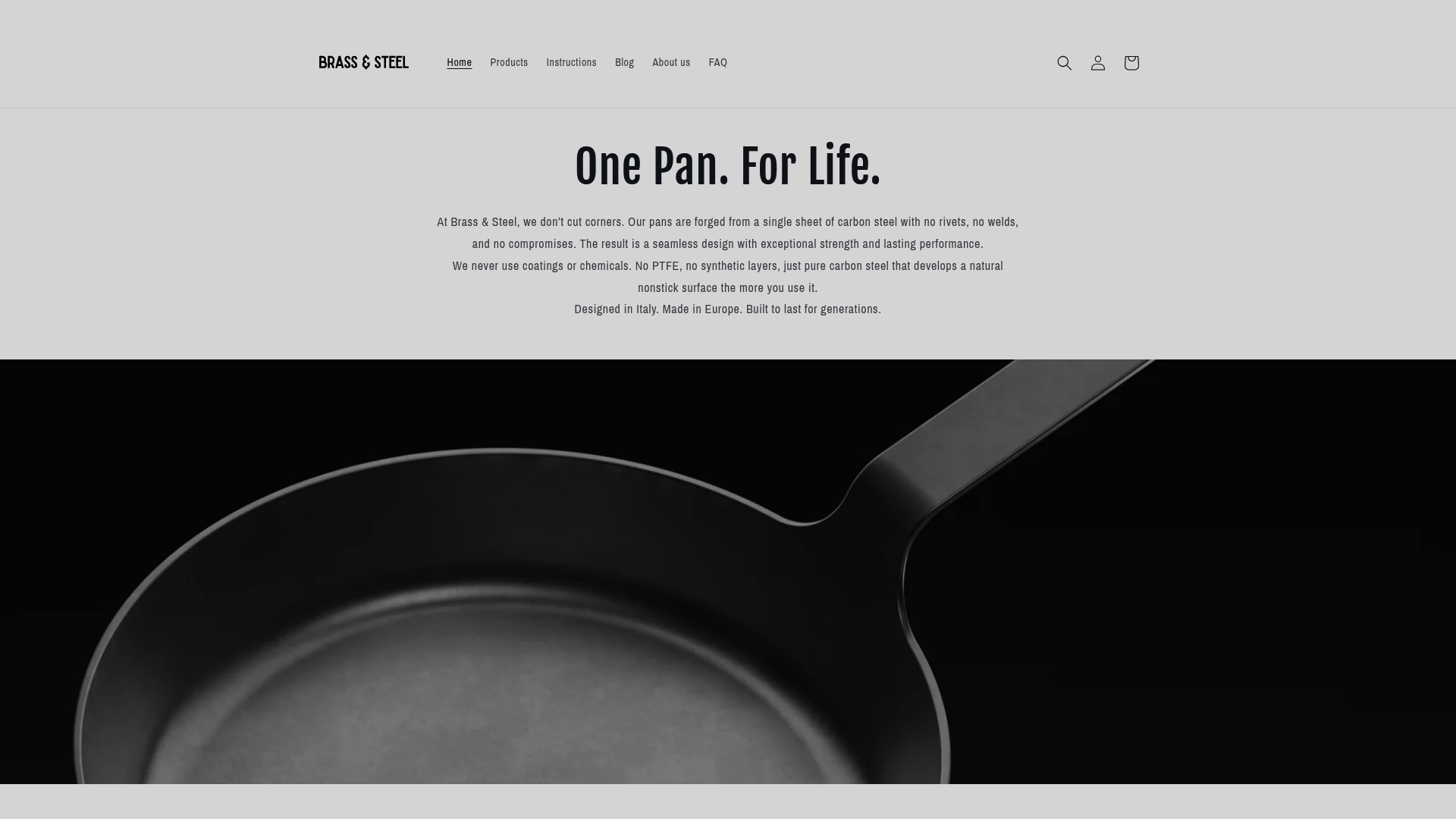
Explore the Carbon Steel Collection | Brass&Steel where every pan is forged from a single carbon steel sheet for seamless strength and designed to deliver professional-grade performance. Whether you prefer the quick responsiveness of a 27 cm carbon steel pan for everyday cooking or need the robust versatility of a 30 cm sauté pan for larger meals, our naturally nonstick, PTFE-free pans give you complete control in the kitchen. Visit Brass & Steel now and upgrade your cookware to heirloom-quality pieces that combine engineering precision with culinary artistry. Take the next step to effortless cooking and lasting durability today.
Frequently Asked Questions
What is the main difference in weight between carbon steel and cast iron pans?
Carbon steel pans are significantly lighter than cast iron pans, often weighing 25 to 40 per cent less. To experience this difference, consider trying a 27 cm carbon steel pan to see how it impacts your cooking control and comfort.
How does heat retention compare between carbon steel and cast iron?
Cast iron excels at heat retention, maintaining a stable temperature during cooking. Use cast iron for tasks that require even heating, such as searing meats or slow cooking, to benefit from its consistent heat.
How can I develop and maintain the nonstick surface on my carbon steel pan?
You create a nonstick surface on a carbon steel pan by seasoning it with food grade oils, which polymerise over time. To enhance nonstick properties, cook with fatty ingredients at least twice a week and apply a thin coat of oil after washing to maintain the seasoning.
Which material is better for quick cooking techniques, carbon steel or cast iron?
Carbon steel is superior for quick cooking techniques that require rapid temperature adjustments, as it responds faster to heat changes than cast iron. Use carbon steel for stir-frying and sautéing to achieve precise control over your cooking environment.
How do I effectively clean and maintain my cast iron versus carbon steel cookware?
Cleaning carbon steel is simpler due to its smoother surface, requiring just warm water and a gentle cloth. For cast iron, you need to dry it thoroughly after washing and apply oil to prevent rust, which is a crucial maintenance step to ensure its longevity over time.
What should I consider when deciding between carbon steel and cast iron for my cooking style?
Consider your cooking frequency and style: if you cook multiple times daily with a focus on precision, carbon steel may suit you better. Alternatively, if you prefer low maintenance and often cook dishes requiring sustained heat, cast iron is a solid choice.