Pan compatibility across cooktops: the carbon steel guide
TL;DR:
- Carbon steel pans are highly compatible across all cooktops because of their ferromagnetic base. They work on induction, gas, electric, and glass-top stoves without requiring adapters or modifications. Proper use and testing ensure optimal performance on any cooking surface.
Pan compatibility across cooktops refers to whether a pan can safely and effectively transfer heat on different stove types, and carbon steel pans are recognised for their broad compatibility including induction, gas, electric, and glass-top hobs. The key factor is the pan’s base material. Ferromagnetic metals, like carbon steel, work on every major cooktop type. Non-magnetic materials such as aluminium, copper, and standard ceramic do not work on induction unless bonded with a steel layer. If you want one pan that moves freely between kitchen setups, carbon steel is the most practical choice available.
How pan compatibility across cooktops actually works
Every cooktop type generates heat differently, and that difference determines which pans you can use.
Gas cooktops are the most forgiving. The open flame wraps around the base and sides of the pan, so gas accepts nearly any pan material, including aluminium, copper, ceramic, and carbon steel. There is no magnetic requirement and no strict base-flatness rule.
Electric glass-top cooktops use radiant heat from coils beneath a ceramic surface. They need pans with a flat, smooth base to make full contact with the glass. A warped or rough base reduces heat transfer and can scratch the surface over time.
Induction cooktops work entirely differently. They generate heat through electromagnetic induction, which means the pan itself becomes the heat source. Only pans with a magnetic base work on induction. Non-magnetic materials, including aluminium, copper, ceramic, titanium, and glass, are incompatible unless they have a bonded steel base.
Cooktop performance at a glance
| Cooktop type | Energy efficiency | Heating speed | Pan requirement |
|---|---|---|---|
| Induction | ~84% | 20–40% faster than gas or electric | Magnetic base required |
| Electric | ~74% | Moderate | Flat, smooth base preferred |
| Gas | ~40% | Moderate | No restrictions |
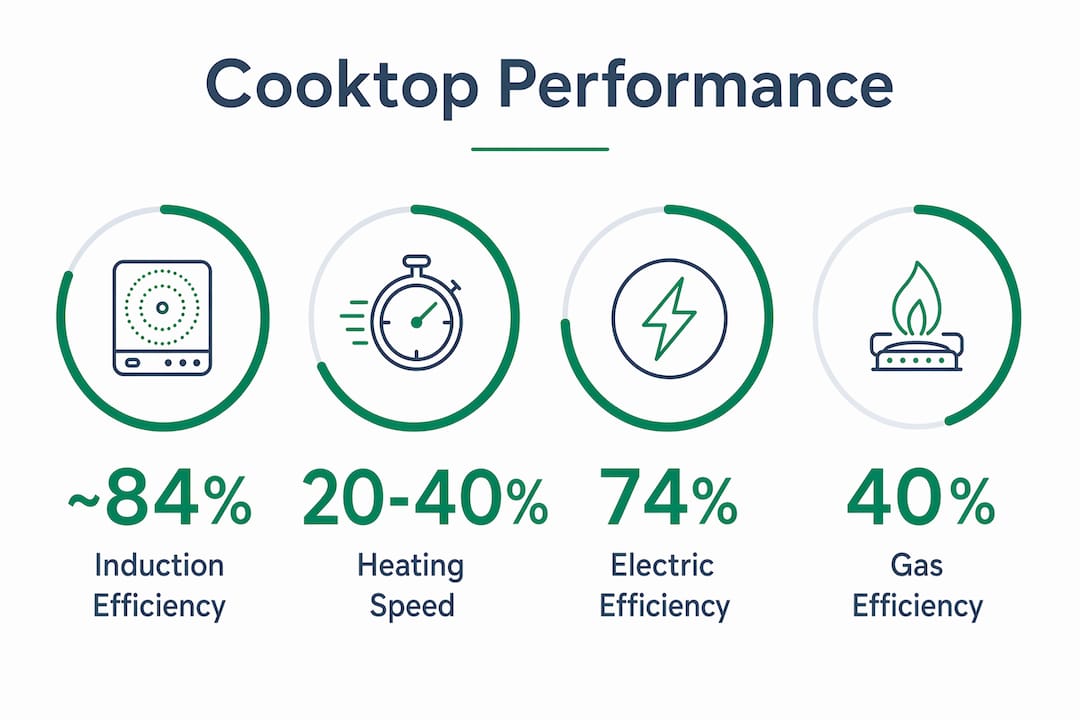
Induction cooktops reach around 84% energy efficiency, compared to roughly 74% for electric and 40% for gas. That efficiency gap is why many home cooks are switching to induction, and why pan compatibility with induction hobs matters more than ever.
Why carbon steel works on every cooktop
Carbon steel is ferromagnetic. That single property makes it induction-ready without any modification. You do not need a bonded base, a special coating, or an adapter disc. The pan works as it is.
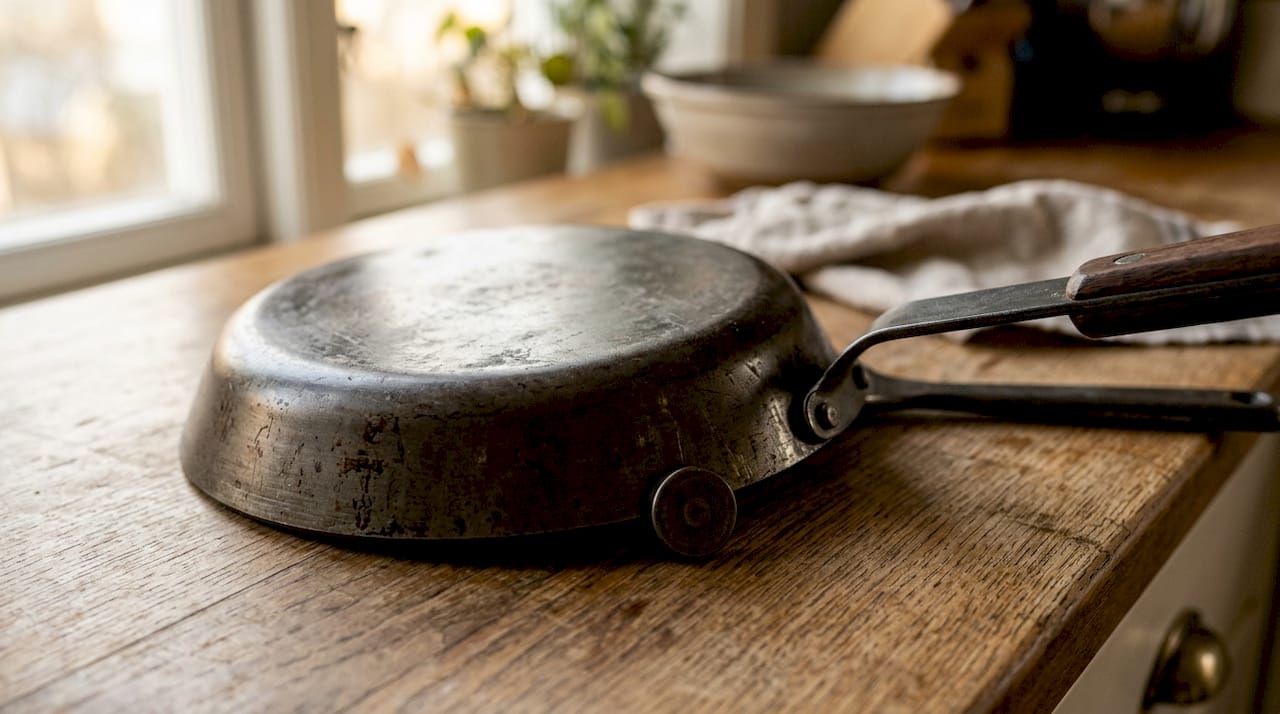
Beyond induction, carbon steel performs well on gas and electric cooktops because of its heat retention and responsiveness. It behaves similarly to cast iron in terms of heat capacity, but it is lighter and more responsive to temperature changes. The sloped sides common on carbon steel sauté pans are also well suited to searing and sautéing, where you need to move food quickly without it catching on straight walls.
Carbon steel also builds a natural non-stick patina through seasoning. This patina is free from PTFE and PFOA, which makes it a healthier alternative to coated non-stick pans. The seasoning layer does not affect compatibility with any cooktop type.
Key advantages of carbon steel across cooktops:
- Works on gas, electric, glass-top, and induction without adapters
- Ferromagnetic base confirmed compatible with all induction hobs
- Lighter than cast iron, making it easier to handle on all stove types
- Builds a natural non-stick surface through use
- Oven-safe, so you can finish dishes under the grill or in the oven
- Free from synthetic coatings that can degrade at high heat
Pro Tip: When using carbon steel on induction for the first time, start on a moderate power setting. Induction heats pan bases much faster than gas or electric, and a cold pan brought to full power too quickly can warp from thermal shock.
Brass-steel’s carbon steel sauté pans are forged from a single piece of steel, which means there are no rivets or welds to weaken the base. The 27 cm pan uses 3mm steel and weighs around 2kg. The 30 cm version uses 4mm steel and weighs around 3kg. Both are fully compatible with induction, gas, electric, and glass-top cooktops.
How to test whether your pan is compatible with your cooktop
The simplest test for induction compatibility costs nothing. Hold a fridge magnet against the base of your pan. If it sticks firmly, the pan is induction-compatible. If it slides off or barely clings, the pan will not work on an induction hob.
For glass-top electric cooktops, run your hand across the base of the pan. It should feel flat and smooth with no visible bowing or rough texture. A warped base rocks on the glass surface, creates uneven contact, and slows cooking.
Practical compatibility checks before you cook:
- Magnet test: a firm stick to the base confirms induction readiness
- Base flatness check: place the pan on a flat surface and press the rim. No rocking means good contact
- Weight check: heavier pans sit more stably on glass-top hobs but can be harder to lift on gas
- Seasoning check: a well-seasoned carbon steel pan performs better on all cooktops because the patina improves heat distribution across the base
- Handle check: carbon steel handles stay cool on the stovetop but get hot in the oven or over an open flame, so use a cloth or oven glove when finishing dishes
Pro Tip: If you have a pan that is not induction-compatible, you can use an induction interface disc as a workaround. However, interface discs reduce efficiency by around 30% and slow heating to the speed of radiant heat, which removes most of the advantages of induction cooking. A compatible pan is always the better option.
Common problems when using carbon steel on induction and other cooktops
Carbon steel is highly compatible, but a few specific situations can cause problems if you are not prepared for them.
Uneven heating on induction bridge zones is the most common issue. Some induction hobs include a bridge zone, which combines two burner areas into one larger cooking surface. Not all bridge zones create a continuous electromagnetic field. Some only synchronise the controls of two separate elements, which means the centre of the bridge zone produces little or no heat. Carbon steel, like cast iron, conducts heat laterally at a slower rate than materials like tri-ply stainless steel, so hot spots develop at the edges of each element rather than spreading evenly across the pan. Rotating the pan by 90 degrees every few minutes compensates for this.
Common pitfalls and how to avoid them:
- Hot spots on bridge zones: rotate the pan regularly during cooking to even out the heat
- Buzzing or humming noise: heavier carbon steel pans can vibrate slightly on induction hobs due to the electromagnetic field. This is normal and does not affect performance
- Warping from thermal shock: never place a cold carbon steel pan on a high induction setting. Always start on low or medium and build up gradually
- Rust after washing: dry the pan immediately after washing and apply a thin coat of oil. Carbon steel rusts quickly if left wet
- Sticky surface: this usually means too much oil was used during seasoning. Scrub the pan and re-season with a very thin layer
Thermal warping is the most damaging of these issues because it is permanent. Carbon steel heats very quickly on high-wattage induction burners, so the base can expand unevenly if one area heats faster than another. Starting on a lower setting and allowing the pan to warm gradually prevents this.
What makes a pan the best choice for multi-cooktop use?
The best pans for use across multiple cooktop types share four characteristics: a magnetic base, a flat and smooth underside, good heat retention, and durable construction without synthetic coatings that degrade at high temperatures.
Comparing common pan materials for multi-cooktop use
| Material | Induction compatible | Gas compatible | Glass-top compatible | Weight | Non-stick without coating |
|---|---|---|---|---|---|
| Carbon steel | Yes | Yes | Yes | Medium | Yes, with seasoning |
| Cast iron | Yes | Yes | Yes | Heavy | Yes, with seasoning |
| Stainless steel | Depends on grade | Yes | Yes | Medium | No |
| Aluminium | No (unless clad) | Yes | Yes | Light | No |
Carbon steel sits in the ideal middle ground. It is lighter than cast iron, which makes it easier to handle on gas hobs where you might tilt or shake the pan. It is more responsive than cast iron, so it reacts faster when you turn the heat up or down on induction. Unlike aluminium, it does not need a clad base to work on induction.
Maintaining a carbon steel pan is straightforward. Clean it with warm water, dry it immediately, and apply a thin coat of oil after each use. Cook fatty foods regularly to build up the seasoning layer. Avoid soaking the pan or leaving it wet, as carbon steel rusts faster than stainless steel or cast iron. A well-maintained carbon steel pan lasts decades and performs better the more you use it.
Key takeaways
Carbon steel is the most versatile pan material for home cooks who use more than one cooktop type, because its ferromagnetic base works on induction, gas, electric, and glass-top hobs without any modification.
| Point | Details |
|---|---|
| Induction requires a magnetic base | Only ferromagnetic pans, like carbon steel, work on induction without an adapter. |
| Gas cooktops accept any material | No magnetic or flatness requirement makes gas the most forgiving cooktop for pan choice. |
| Magnet test confirms compatibility | A fridge magnet that sticks firmly to the base means the pan is induction-ready. |
| Avoid thermal shock on induction | Always start carbon steel on a moderate setting to prevent warping from rapid heat. |
| Seasoning improves performance everywhere | A well-built patina helps heat distribute more evenly across the base on all cooktop types. |
What I have learned from cooking with carbon steel across different hobs
By Davide
When I first moved from a gas hob to an induction setup, I assumed I would need to replace most of my cookware. The reality was simpler. My carbon steel pan worked immediately, without any adapter or fuss. What I did have to relearn was heat management.
Induction is fast. Much faster than I expected. The first time I put my carbon steel pan on a high induction setting from cold, I heard a faint creak from the base. That was the steel expanding unevenly. Nothing warped that time, but it was a warning I took seriously. Since then, I always start on medium and let the pan come up to temperature gradually. The results are consistently better, and the pan has stayed perfectly flat.
The bridge zone issue surprised me more. I assumed a larger cooking surface meant more even heat. It does not, at least not with every hob. Rotating the pan solved it, but it took a few burnt edges before I worked that out. If you have a bridge zone on your induction hob, test it with a piece of bread before you cook anything important. You will see exactly where the heat concentrates.
My honest advice: if you cook on more than one type of hob, or if you think you might switch to induction in the future, buy a carbon steel pan now. The compatibility is genuine, not a marketing claim. Season it well, treat it with a bit of care, and it will outlast every non-stick pan you have ever owned.
— Davide
Brass-steel carbon steel pans: built for every cooktop
Brass-steel manufactures carbon steel sauté pans in Jarocin, Poland, forged from a single piece of steel with no rivets or welds. Both the 27 cm and 30 cm pans are fully compatible with induction, gas, electric, and glass-top cooktops straight out of the box.
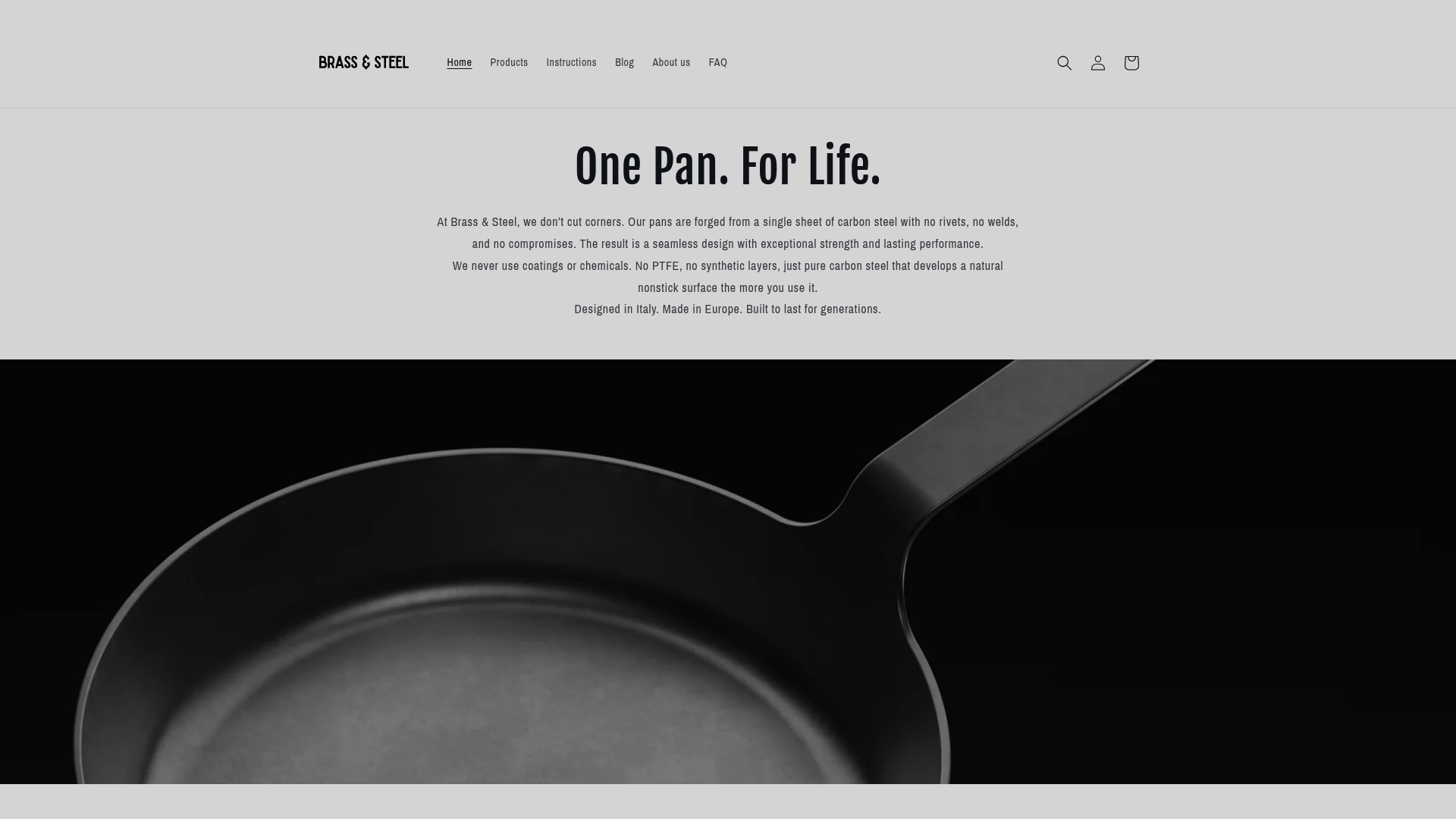
The 27 cm pan at €99 suits everyday cooking and smaller households. The 30 cm pan at €119 handles larger meals and works well in family kitchens. Both are free from PTFE and PFOA, and both build a natural non-stick patina through seasoning. If you want cookware that works on any hob you own now or switch to in the future, Brass-steel’s range is worth a close look.
FAQ
What pans work on all cooktops?
Carbon steel, cast iron, and some grades of stainless steel work on gas, electric, glass-top, and induction cooktops. The pan must have a flat base and a ferromagnetic base for induction compatibility.
How do I know if my pan is induction-compatible?
Hold a fridge magnet against the base of the pan. If it sticks firmly, the pan works on induction. If it does not stick, the pan requires an interface disc or is not suitable for induction use.
Can I use a carbon steel pan on a glass-top electric cooker?
Yes. Carbon steel works well on glass-top electric cookers provided the base is flat and smooth. A warped base reduces heat transfer and can scratch the glass surface over time.
Why does my carbon steel pan make a noise on induction?
A faint buzzing or humming is normal. It is caused by the electromagnetic field vibrating the steel slightly. The noise does not affect cooking performance and is common with heavier pans on induction hobs.
Is it worth using an induction interface disc with a non-compatible pan?
Interface discs allow non-magnetic pans to sit on induction hobs, but they reduce efficiency by around 30% and slow heating to the speed of radiant heat. A compatible pan delivers far better results.