7 Essential Pot and Pan Types for European Kitchens
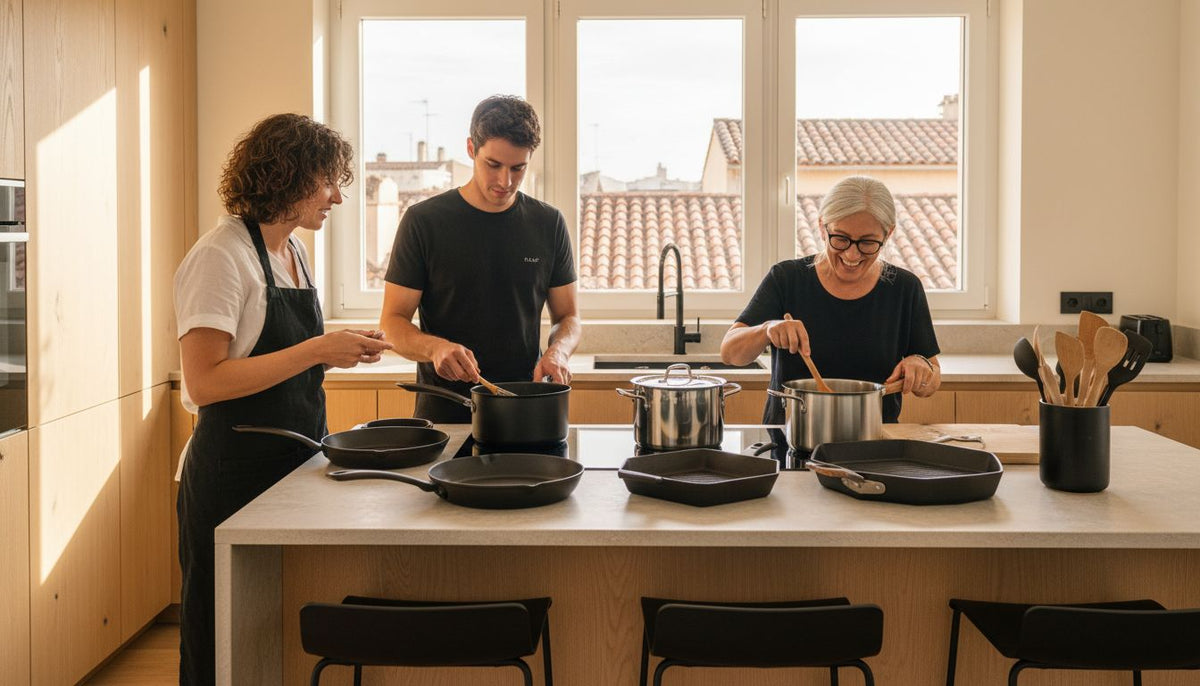
Over 60 percent of british home cooks say the right pan makes all the difference when preparing everyday meals. Choosing the ideal cookware influences everything from how evenly your food cooks to the authentic flavour you serve on the table. Whether you love classic stews or quick stir fries, understanding which pans suit each purpose can transform your home cooking and help you achieve reliable, professional results.
Table of Contents
- Carbon Steel Sauté Pan: Versatile Everyday Performer
- Frying Pans: The Workhorse of Quick Cooking
- Sauce Pots: Perfect for Sauces and Simmering
- Stock Pots: Essential for Soups and Broths
- Grill Pans: Achieve Char and Sear at Home
- Roasting Pans: For Perfect Oven-Baked Dishes
- Specialty Pans: Woks, Paella, and More for Unique Meals
Quick Summary
| Key Message | Explanation |
|---|---|
| 1. Carbon steel sauté pans are versatile | They excel in various cooking methods, from browning and sautéing to sauce finishing, making them essential in any kitchen. |
| 2. Frying pans should match your cooking style | Consider the materials and performance features to select a frying pan that complements your preferred cooking techniques for optimal results. |
| 3. Sauce pots ensure precise heat control | Their wide base and tight-fitting lid help create sauces and simmer delicate ingredients consistently, enhancing your cooking precision. |
| 4. Stock pots are designed for large volumes | They handle making soups and broths efficiently, ensuring even heat distribution and flavour extraction, essential for high-volume cooking. |
| 5. Specialty pans elevate unique cuisines | Investing in woks or paella pans that correspond to the cuisine you enjoy cooking enhances the authenticity and quality of those dishes. |
1. Carbon Steel Sauté Pan: Versatile Everyday Performer
A carbon steel sauté pan represents the Swiss Army knife of European kitchens – a single piece of cookware that transforms how you prepare meals. Crafted from a single sheet of carbon steel, this pan delivers exceptional performance across multiple cooking techniques.
The magic of a carbon steel sauté pan lies in its remarkable heat conductivity and responsiveness. Unlike other materials that lag when temperature changes, carbon steel heats rapidly and distributes warmth evenly, allowing you to sear meats, sauté vegetables, and finish dishes with professional precision. Its 3 4mm thickness ensures consistent cooking and durability that professional chefs appreciate.
Your carbon steel sauté pan shines across multiple cooking scenarios. Want to brown chicken breasts? Perfect. Preparing a quick vegetable stir fry? Absolutely. Finishing a delicate sauce? No problem. Complete Guide to What Makes a Good Sauté Pan explains how versatility defines an excellent pan.
Practical advantages make this pan a kitchen essential. Its naturally developing nonstick surface improves with use, eliminating the need for chemical coatings. Induction compatible and suitable for all cooktop types, a carbon steel sauté pan adapts seamlessly to different cooking environments.
Care is straightforward. After cooking, clean with warm water, dry thoroughly, and apply a light oil coat. With proper maintenance, your carbon steel sauté pan will develop a rich patina that enhances flavour and cooking performance for decades.
Key benefits include:
- Exceptional heat distribution
- Natural nonstick properties
- Incredible durability
- Versatile cooking capabilities
- Healthier cooking without synthetic coatings
2. Frying Pans: The Workhorse of Quick Cooking
Frying pans are the unsung heroes of European kitchens, transforming ordinary ingredients into delectable meals with remarkable speed and efficiency. These versatile cooking companions handle everything from morning breakfast scrambles to evening steak sears with incredible precision.
As Consumer Reports highlights, frying pans come in multiple varieties including nonstick, cast iron, stainless steel, carbon steel, and copper. Each material brings unique characteristics to your cooking arsenal, allowing you to select the perfect pan for specific culinary tasks.
Key Considerations When Choosing a Frying Pan:
- Heat conductivity
- Weight and balance
- Cooking surface performance
- Durability
- Maintenance requirements
Stainless steel frying pans offer exceptional versatility. According to Consumer Reports, these pans are ovenproof and can seamlessly transition from stovetop to oven. Their ability to withstand high temperatures makes them ideal for complex cooking techniques like searing meats and finishing dishes.
When selecting a frying pan, consider your cooking style. Home chefs who enjoy diverse cooking methods will appreciate a pan that can brown, sear, and create beautiful caramelisation. 7 Different Types of Frying Pans Every Chef Should Know provides deeper insights into selecting the right pan for your kitchen.
Practical tip: Invest in a frying pan that matches your most frequent cooking techniques. A good pan becomes an extension of your culinary creativity rather than just another kitchen tool.
3. Sauce Pots: Perfect for Sauces and Simmering
Sauce pots are the unsung culinary maestros of European kitchens, specialising in transforming liquid ingredients into velvety, complex creations. These compact cooking vessels are engineered to deliver precise heat control and consistent results across various cooking techniques.
According to Oregon State University Extension, a sauce pot is characteristically short and wide with two handles and a close-fitting lid. This design ensures even heat distribution essential for delicate cooking processes like preparing sauces, reducing stocks, and simmering sensitive ingredients.
Key Features of an Exceptional Sauce Pot:
- Wide base for maximum heat contact
- Two sturdy handles for easy manoeuvrability
- Tight-fitting lid to control moisture
- Medium depth for versatile cooking
The remarkable design of sauce pots goes beyond simple sauce preparation. South Dakota State University Extension highlights how the tight lid allows pressure to build up inside, increasing cooking temperature and reducing overall cooking time. This makes sauce pots invaluable for creating everything from classic béchamel to rich tomato ragouts.
For those looking to expand their cookware knowledge, A Guide to Cooking Pans by Shape and Usage offers deeper insights into selecting the perfect pot for your culinary adventures.
Practical tip: Invest in a sauce pot with a heavy bottom to prevent scorching and ensure uniform heat distribution. Your sauces will thank you.
4. Stock Pots: Essential for Soups and Broths
Stock pots are the volume champions of European kitchens, transforming humble ingredients into deeply flavoured liquid masterpieces. These culinary workhorses are designed to handle substantial cooking volumes while maintaining consistent heat distribution and maximum flavour extraction.
Consumer Reports describes stock pots as large vessels with flat bottoms, straight sides, and wide openings perfectly engineered for making soups, broths, and large liquid based dishes. Their architectural design ensures even heat penetration critical for developing complex flavour profiles.
Essential Stock Pot Characteristics:
- Large volume capacity
- Flat wide bottom
- Straight tall sides
- Heavy base for consistent heating
- Sturdy handles for safe manoeuvrability
According to South Dakota State University Extension, stock pots excel at preparing large batch recipes by accommodating substantial liquid volumes while maintaining uniform temperature. This makes them indispensable for professional and home kitchens alike.
For serious home cooks wanting to elevate their culinary arsenal, 7 Essential Professional Cookware Types for Serious Cooks offers additional insights into selecting professional grade cookware.
Practical tip: Invest in a stock pot with a thick bottom to prevent scorching and ensure your broths develop rich, nuanced flavours without burning.
5. Grill Pans: Achieve Char and Sear at Home
Grill pans are the urban chef’s secret weapon for bringing the authentic barbecue experience directly into your kitchen. These ingenious cooking tools transform ordinary meats and vegetables into restaurant quality dishes with signature char marks and intense flavour profiles.
Consumer Reports describes grill pans as specialised cookware featuring raised ridges that perfectly mimic outdoor grilling techniques. These strategic ridges elevate food above cooking surface, allowing excess fat to drip away while creating those coveted caramelised grill marks that signal professional cooking prowess.
Grill Pan Performance Essentials:
- Raised ridge design for authentic grill marks
- High heat retention capabilities
- Even cooking surface
- Suitable for multiple cooking techniques
- Works on various cooktop types
According to Consumer Reports, grill pans excel at indoor grilling by providing exceptional heat retention through materials like cast iron. This ensures meats and vegetables develop rich caramelisation without requiring outdoor equipment.
Mastering the Perfect Sear with a Carbon Steel Pan for Steak, Chicken offers additional insights for achieving professional searing techniques.
Practical tip: Preheat your grill pan thoroughly and avoid overcrowding to achieve those restaurant quality char marks every single time.
6. Roasting Pans: For Perfect Oven-Baked Dishes
Roasting pans are the culinary canvas where simple ingredients transform into gastronomic masterpieces. These versatile kitchen tools are the unsung heroes of Sunday roasts, holiday feasts, and memorable family dinners.
Consumer Reports defines roasting pans as large rectangular vessels with low sides, specifically engineered to maximise heat circulation and ensure uniform cooking. Their strategic design typically includes a removable rack that elevates meats, allowing hot air to circulate completely around the food.
Key Roasting Pan Features:
- Rectangular shape for maximum surface area
- Low sides for optimal heat circulation
- Removable rack for even cooking
- Sturdy handles for safe transport
- Compatible with multiple oven temperatures
According to South Dakota State University Extension, roasting pans are crucial for preparing large cuts of meat and creating dishes that require consistent heat distribution. The included rack is not just an accessory but a critical component that prevents meats from stewing in their own juices.
Oven Seasoning Method Guide for Carbon Steel Pans offers additional insights into maximising your oven cooking techniques.
Practical tip: Select a roasting pan made from materials like stainless steel or heavy gauge aluminum to guarantee superior heat conductivity and professional cooking results.
7. Specialty Pans: Woks, Paella, and More for Unique Meals
Specialty pans are the passport to global culinary adventures, transforming ordinary kitchens into international dining destinations. These unique cooking vessels are engineered to capture authentic flavours and cooking techniques from around the world.
Consumer Reports highlights how specialty pans like woks and paella pans are meticulously designed to excel at specific cooking methods. A carbon steel wok, for instance, features high sloped sides perfect for rapid stir frying, while a traditional paella pan creates the legendary crispy rice base known as socarrat.
Specialty Pan Essentials:
- Unique shape matching specific cooking technique
- Optimised heat distribution
- Material specific to culinary tradition
- Designed for authentic cooking results
- Versatile across different heat sources
According to Consumer Reports, these pans are not merely decorative but functional tools that transform cooking from mundane to extraordinary. A wok enables lightning fast stir frying, while a paella pan ensures the perfect texture for Spain’s national dish.
7 Different Pan Names Every Cook Should Know offers additional insights into pan varieties.
Practical tip: Invest in specialty pans that align with cuisines you frequently cook to elevate your home dining experience.
Below is a comprehensive table summarising the cookware types and their features, benefits, and practical tips discussed in the article.
| Cookware Type | Features | Benefits | Practical Tips |
|---|---|---|---|
| Carbon Steel Sauté Pan | Exceptional heat distribution; Nonstick surface; Induction compatible | Versatile; Durable; Healthier cooking | Clean with warm water; Apply light oil coat |
| Frying Pans | Various materials (nonstick, cast iron, etc.); Ovenproof options | Quick cooking; Versatile | Choose based on cooking style |
| Sauce Pots | Wide base; Two handles; Tight-fitting lid | Precise heat control; Versatile | Use a heavy bottom to prevent scorching |
| Stock Pots | Large capacity; Flat bottom; Tall sides | Even heat distribution; Ideal for large batches | Use a thick bottom to prevent burning |
| Grill Pans | Raised ridges; High heat retention | Indoor grilling; Char marks | Preheat thoroughly; Avoid overcrowding |
| Roasting Pans | Rectangular shape; Removable rack | Uniform cooking; Ideal for large cuts | Select materials like heavy gauge aluminium |
| Specialty Pans | Unique shapes like woks; Specific material | Authentic cooking results | Invest in pans matching frequent cuisines |
Elevate Your European Kitchen with Essential Carbon Steel Cookware
The article highlights the importance of versatile, durable pots and pans suited for the diverse cooking styles found in European kitchens. Whether you are searing meats, simmering sauces, or roasting hearty dishes, the durability and heat responsiveness of your cookware are critical. Many chefs struggle to find pans that offer professional-quality performance without compromising on health or ease of maintenance. Carbon steel pans, with their natural nonstick surface and single-piece forged construction, solve these common challenges by providing superior heat distribution and a long-lasting patina that improves with every use.
Experience the difference in your kitchen with the Carbon Steel Collection from Brass & Steel.
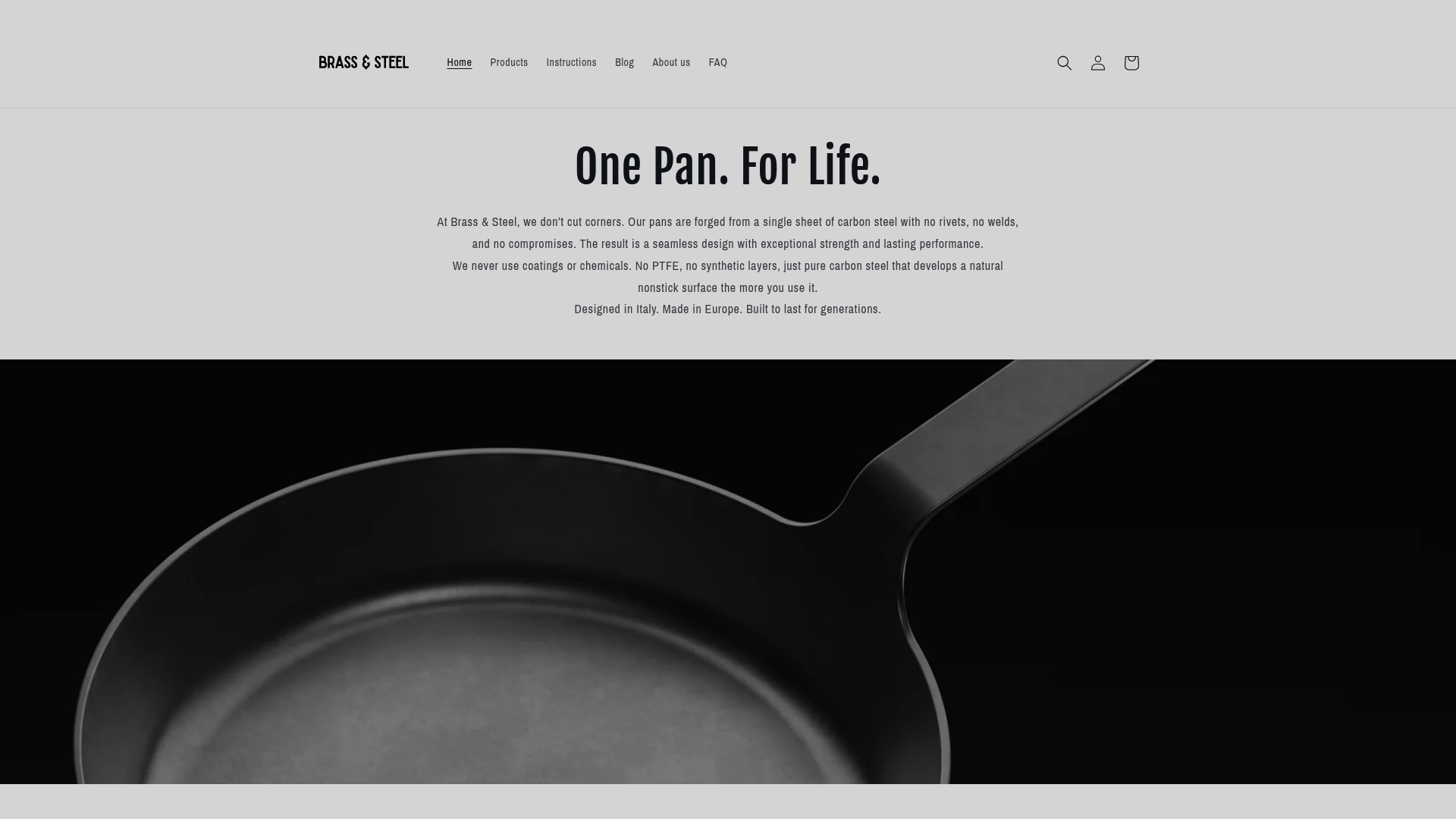
Discover cookware designed with serious cooks in mind — forged in one piece to eliminate weak spots, compatible across all cooktops including induction, and free from harmful coatings like PTFE and PFOA. Visit Brass & Steel today to browse our range of pans engineered for performance and heirloom quality. Step up to cookware that works as hard as you do and master your favourite European recipes with confidence.
Frequently Asked Questions
What are the key benefits of using a carbon steel sauté pan in European kitchens?
A carbon steel sauté pan offers exceptional heat distribution, natural nonstick properties, and incredible durability. To maximise its potential, start using it for various cooking techniques like sautéing, browning, and finishing sauces.
How do I choose the right frying pan for my cooking style?
When selecting a frying pan, consider factors such as heat conductivity, weight, and surface performance. Choose a pan that aligns with your frequent cooking techniques, like searing or browning, to ensure it becomes an essential cooking tool.
What should I look for in a quality sauce pot?
A quality sauce pot should have a wide base for even heat distribution, two sturdy handles for easy lifting, and a tight-fitting lid to retain moisture. Consider investing in a pot that allows for precise cooking of sauces and other delicate dishes for best results.
Why are stock pots essential for making soups and broths?
Stock pots are designed for large volumes, enabling you to create flavoursome soups and broths with uniform heating. Ensure you choose a pot with a heavy base to prevent scorching and allow for rich flavour development during cooking.
How can I maximise the performance of a grill pan when cooking indoors?
To get the best results from a grill pan, preheat it thoroughly to ensure even heat retention and avoid overcrowding. This way, you can achieve restaurant-quality char marks on meats and vegetables for a delicious meal.
What features should a roasting pan have for optimal cooking?
An effective roasting pan should be rectangular with low sides to promote heat circulation and come with a removable rack for even cooking. Select a pan made from materials like stainless steel to ensure optimal heat conductivity for successful roasting.