What Is Warping in Pans? Complete Guide
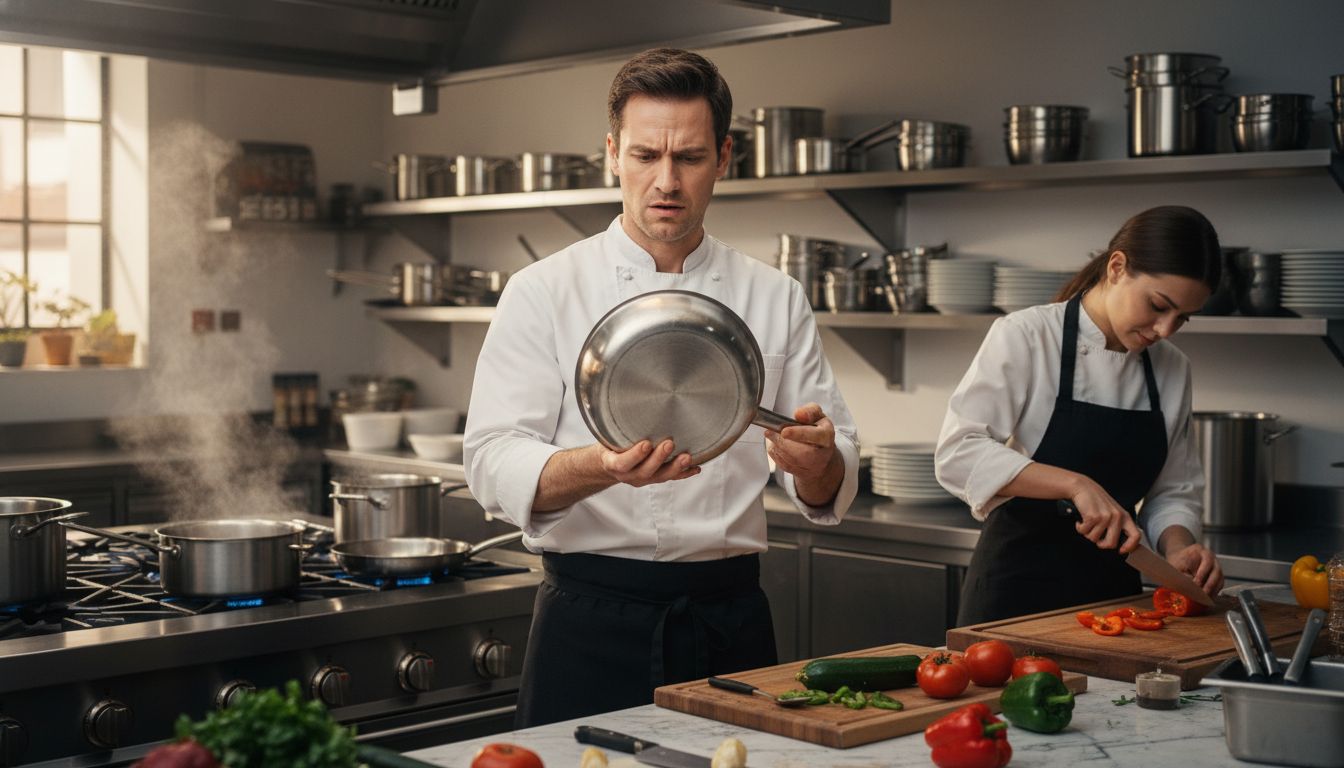
Over 60 percent of cooks report frustration when their go-to pan suddenly refuses to sit flat on the burner. Warping is more than a cosmetic issue. It can ruin heat distribution and spoil your favorite recipes. For anyone who cares about good results in the kitchen, knowing what causes pans to warp and how to prevent it keeps your cookware working for years and your meals consistently delicious.
Table of Contents
- Warping In Pans: Key Definition And Causes
- Types Of Warping In Cookware Materials
- Why Carbon Steel Pans Resist Warping
- How To Prevent Pan Warping At Home
- Common Mistakes That Lead To Warping
Key Takeaways
| Point | Details |
|---|---|
| Understanding Warping | Warping in pans occurs due to uneven expansion from rapid temperature changes, impacting cooking performance. |
| Material Considerations | Thin materials like aluminum and non-stick pans are more susceptible to warping than thicker materials like cast iron and carbon steel. |
| Prevention Strategies | To prevent warping, avoid sudden temperature changes, use thicker cookware, and allow pans to cool gradually. |
| Common Mistakes | Rinsing hot pans with cold water and overheating empty pans are common missteps that lead to warping. |
Warping in Pans: Key Definition and Causes
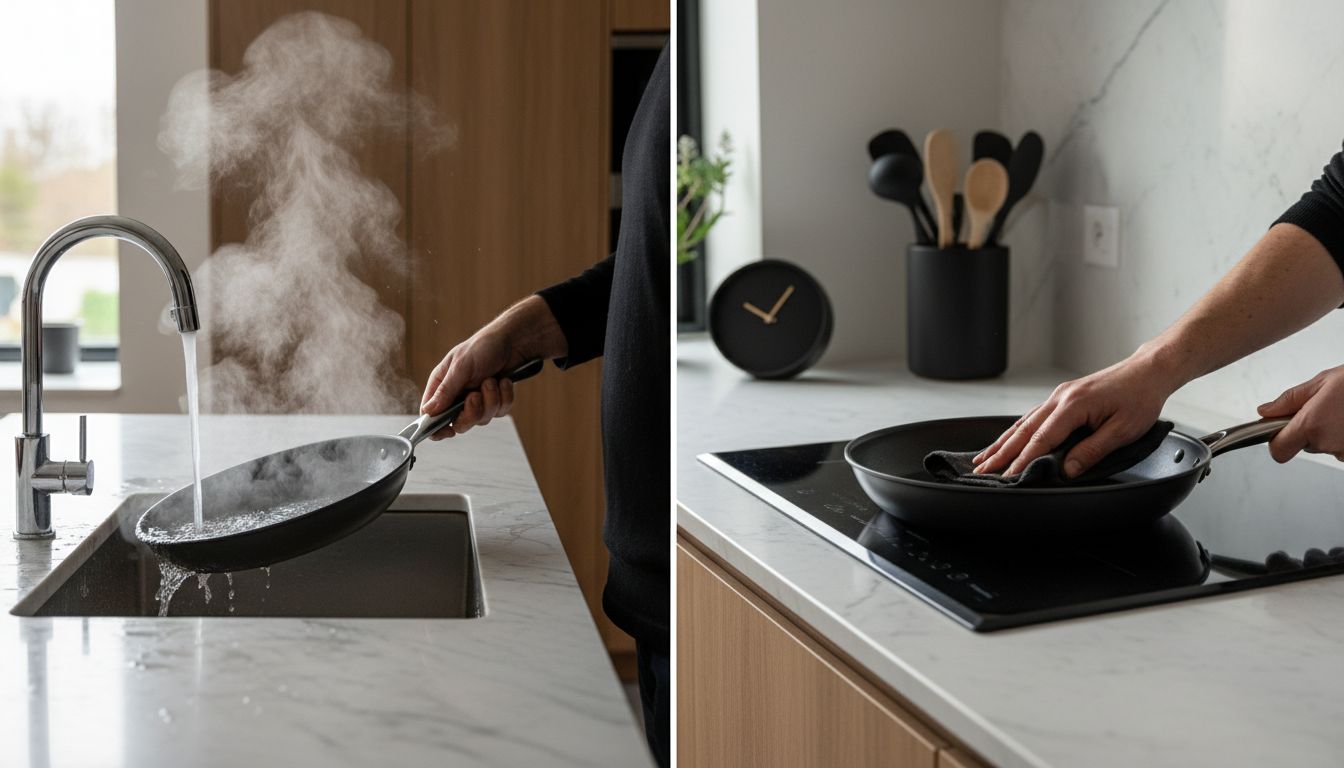
Every serious cook has experienced that moment of frustration when a perfectly good pan starts to look like a warped piece of modern art. Warping is more than just an aesthetic issue. According to flavor365, it occurs when cookware deforms due to uneven expansion and contraction from rapid temperature changes.
The science behind pan warping is straightforward. When metal is subjected to sudden temperature shifts, it doesn’t expand or contract uniformly. Wellri explains that materials like cast iron and stainless steel are particularly vulnerable to thermal shock. This phenomenon causes the metal to bend or twist, creating an uneven cooking surface that can dramatically impact your culinary results.
Key causes of pan warping include:
- Placing a hot pan directly under cold water
- Rapid temperature transitions (from stovetop to cold surface)
- Preheating an empty pan at very high temperatures
- Dramatic temperature differences during cooking
Understanding these triggers can help you protect your cookware and maintain its performance. By being mindful of how you handle your pans, you can prevent warping and ensure consistently excellent cooking results.
Types of Warping in Cookware Materials
Not all cookware materials are created equal when it comes to warping resistance. According to everythingbetter, aluminum and non-stick pans are particularly vulnerable due to their thin construction and high thermal expansion coefficient. This means they’re more likely to deform under temperature stress compared to other materials.
Kitchendustria highlights that some materials demonstrate remarkable resilience against warping. Cast iron and carbon steel stand out as exceptionally durable, rarely experiencing significant deformation. Stainless steel, especially when engineered with multi-ply construction like tri-ply or 5-ply, offers enhanced structural strength and remarkable warp resistance.
Types of warping can be categorized based on material characteristics:
- Thin Material Warping: Occurs in lightweight, thin-gauge cookware
- Uneven Core Warping: Happens in pans with inconsistent metal layers
- Temperature-Induced Warping: Results from rapid heat changes
- Structural Weakness Warping: Caused by manufacturing defects
Choosing high-quality cookware with robust construction and understanding each material’s thermal properties can significantly reduce the risk of warping.
 For serious home cooks and professional chefs, investing in well-engineered cookware isn’t just about performance—it’s about long-term reliability and consistent cooking results.
How to Prevent Pan Warping at Home
Pan warping can turn your favorite cookware into a frustrating kitchen nightmare. Understanding and implementing proper cooking techniques is crucial to maintaining your pans’ structural integrity. Temperature management is the single most important factor in preventing warping, requiring careful attention during cooking and cleaning.
According to Cycookery, preventing pan warping involves strategic choices in cookware selection and usage. Opt for multi-ply cookware with thicker walls that can better withstand thermal expansion and contraction, significantly reducing the likelihood of warping. Flavor365 reinforces this advice, emphasizing the importance of ensuring even heating and allowing pans to cool gradually before washing.
Key strategies to prevent pan warping include:
- Avoid sudden temperature changes
- Use cookware with thick, uniform bases
- Allow pans to cool naturally at room temperature
- Preheat pans gradually and evenly
- Never place hot pans directly under cold water
- Match pan size to the appropriate heat source
By implementing these techniques, you’ll protect your cookware investment and ensure consistent cooking performance. Mindful pan care isn’t just about preventing warping—it’s about preserving the quality of your kitchen tools and maintaining their long-term functionality.
Learn more about maintaining your cookware in our guide to preventing rust and warping.
Common Mistakes That Lead to Warping
Cookware can be surprisingly fragile, and even experienced home cooks often unknowingly damage their pans through simple yet destructive habits. Thermal shock is the primary culprit behind most cookware damage, turning what should be a reliable kitchen tool into a warped, unreliable surface.
According to Everythingbetter, common mistakes leading to pan warping include exposing cookware to rapid temperature changes and using low-quality, thin cookware that lacks structural integrity. Wellri further emphasizes that materials with high thermal expansion coefficients are particularly vulnerable when not handled with care.
Most critical mistakes that cause pan warping include:
- Rinsing hot pans with cold water
- Placing a hot pan directly on a cold surface
- Overheating an empty pan
- Using pans with inconsistent or thin metal construction
- Sudden temperature transitions during cooking
- Improper storage that exposes pans to extreme temperature changes
Understanding these common pitfalls is the first step in protecting your cookware investment. Professional chefs know that a pan is more than just a cooking tool—it’s a precision instrument that requires respect and careful handling. By avoiding these mistakes, you’ll extend the life of your cookware and ensure consistent, high-quality cooking results.
To dive deeper into maintaining your cookware, check out our guide to preventing rust and warping.
Protect Your Investment with Durable Carbon Steel Cookware
Warping can be a frustrating challenge that transforms your cookware from a trusted kitchen companion to a source of disappointment. This article sheds light on the causes and prevention of warping, highlighting how sudden temperature changes and inferior materials can damage your pans. If you want cookware that stands up to this stress, it is time to discover the unmatched strength of a single-piece forged carbon steel pan.
Explore the Carbon Steel Collection | Brass&Steel for heirloom-quality pans engineered to resist warping and deliver consistent cooking performance every time. Our pans are crafted with thick, uniform metal construction, ensuring superior heat retention and natural nonstick seasoning. Don’t let thermal shock ruin your kitchen tools. Choose durability, health-conscious design, and induction compatibility today at Brass & Steel and elevate your cooking experience immediately.
Frequently Asked Questions
What causes warping in pans?
Warping in pans is primarily caused by rapid temperature changes, such as placing a hot pan under cold water or moving it from a stovetop to a cold surface. Other factors include preheating an empty pan at high temperatures and dramatic temperature differences during cooking.
How can I prevent my pans from warping?
To prevent pan warping, avoid sudden temperature changes, use cookware with thick, uniform bases, allow pans to cool naturally, preheat pans gradually, and ensure that the pan size matches the appropriate heat source.
What types of cookware are most vulnerable to warping?
Aluminum and non-stick pans tend to be the most vulnerable to warping due to their thin construction and high thermal expansion coefficients. In contrast, cast iron and carbon steel pans are generally more resistant to warping due to their thicker and more robust construction.