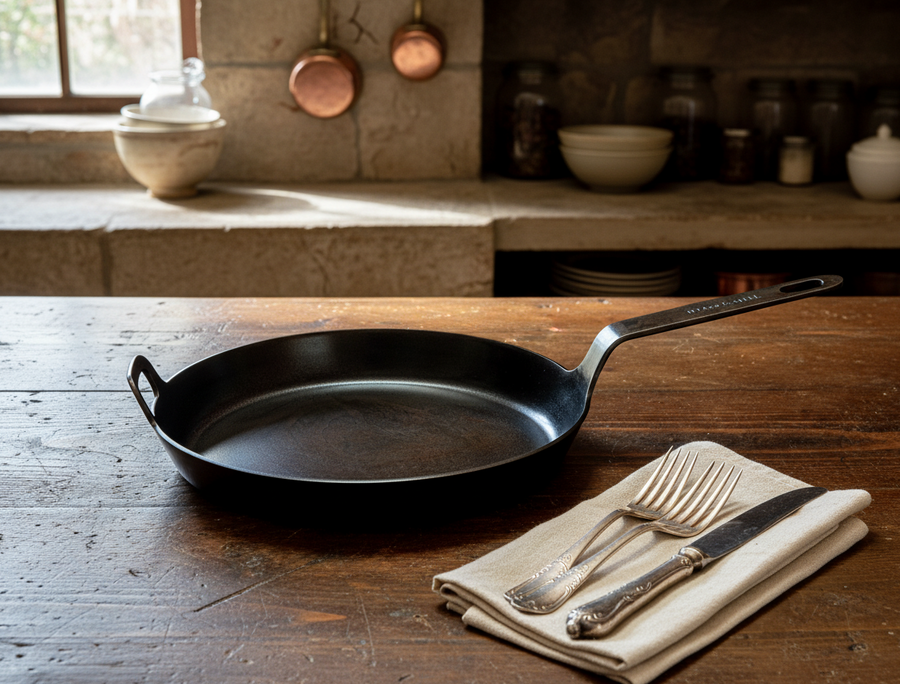
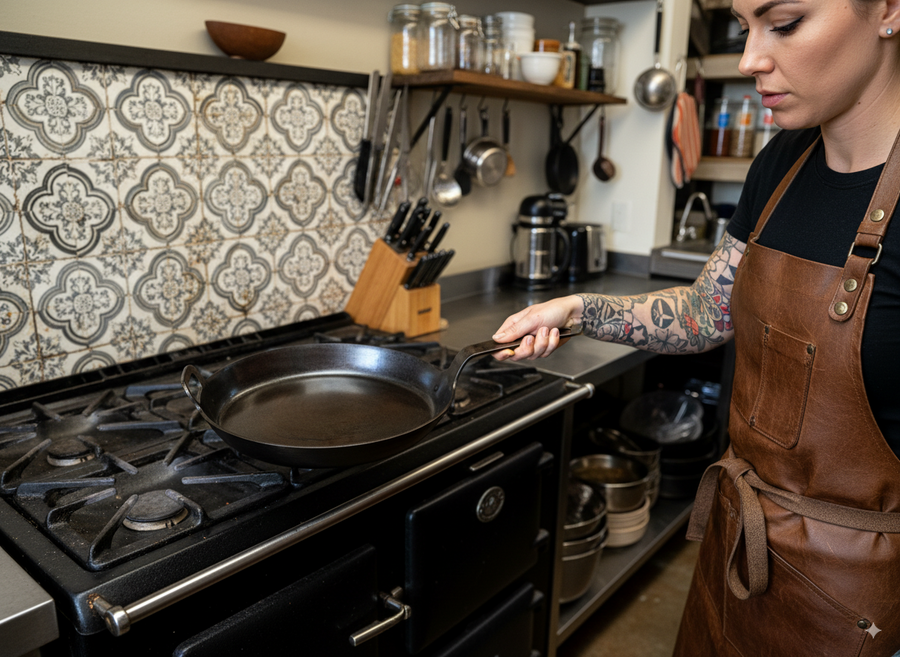
Stainless Clad vs Carbon Steel – Performance in Kitchens
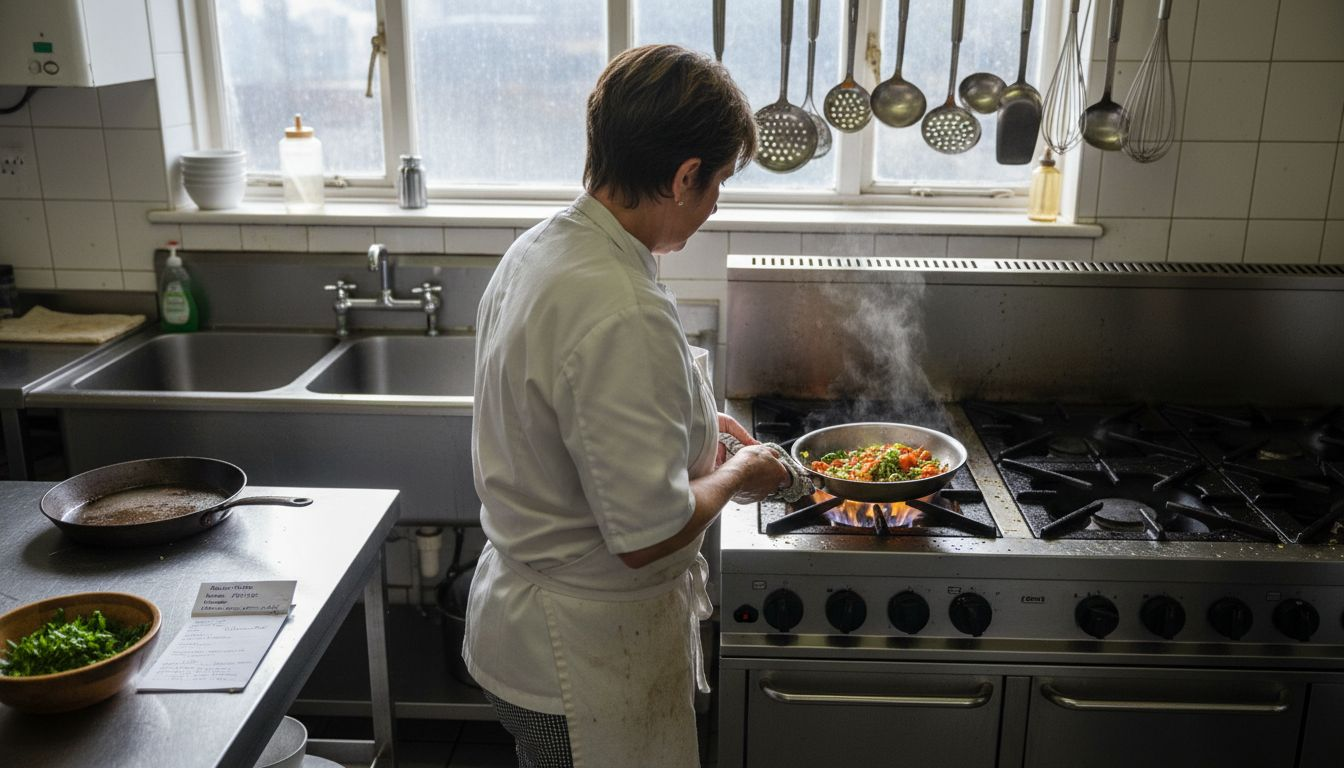
Most british kitchens feature a mix of stainless clad and carbon steel pans, yet over 60 percent of home cooks are unsure which truly suits their needs. The right cookware choices can shape your daily cooking experience, affecting everything from meal quality to maintenance routines. Whether you want pans that last for decades or crave greater control over flavour and searing, understanding these materials will help you confidently upgrade how you cook.
Table of Contents
- Understanding Stainless Clad and Carbon Steel
- Core Differences in Material Properties
- How Each Performs in Cooking Environments
- Durability, Care and Health Considerations
- Choosing the Right Pan for Your Needs
Key Takeaways
| Point | Details |
|---|---|
| Material Differences | Stainless clad cookware offers durability and non-reactivity, while carbon steel excels in heat retention and versatility for high-heat cooking. |
| Maintenance Levels | Stainless clad requires low maintenance and is dishwasher safe, whereas carbon steel demands regular seasoning and careful handling to prevent rust. |
| Cooking Applications | Use stainless steel for all-purpose cooking and delicate tasks, while carbon steel is ideal for high-heat techniques that benefit from its superior temperature responsiveness. |
| Health & Safety | Both materials are safe for food preparation; stainless steel is inert, while properly seasoned carbon steel avoids chemical leaching. |
Understanding Stainless Clad and Carbon Steel
Cooking enthusiasts and professional chefs alike have long debated the merits of stainless clad versus carbon steel cookware. Understanding the unique characteristics of these materials is crucial for selecting the right tools for your kitchen. Stainless steel cookware is renowned for its durability and non-reactivity, offering a versatile cooking surface that works across all cooktop types.
Carbon steel, by contrast, presents a different set of culinary advantages. It boasts exceptional heat retention and remarkable temperature responsiveness, making it particularly prized among chefs who require precise cooking control. Unlike stainless steel, carbon steel requires seasoning to develop its non-stick properties and demands more attentive maintenance to prevent rust.
The core difference between these materials lies in their construction and performance. High-end stainless steel pans often incorporate aluminium or copper cores bonded between layers, which significantly enhances heat distribution. Carbon steel pans, typically forged from a single piece of metal, provide a more direct heat transfer and develop a natural patina over time that improves its non-stick characteristics.
Pro Cooking Tip: When selecting between stainless clad and carbon steel, consider your cooking style, maintenance willingness, and the specific dishes you frequently prepare. Each material offers unique benefits that can elevate your culinary experience.
To help you quickly understand the key contrasts, see the table below comparing stainless clad and carbon steel cookware:
| Aspect | Stainless Clad | Carbon Steel |
|---|---|---|
| Typical Construction | Multi-layer (steel + core metal) | Single piece forged metal |
| Heat Distribution | Even, rapid with aluminium/copper core | Fast, direct and very responsive |
| Surface Reactivity | Non-reactive, suitable for acidic foods | Reactive, needs seasoning for safety |
| Maintenance Effort | Low, periodic cleaning | High, regular seasoning/oiling needed |
| Developing Non-stick | Does not develop with use | Improves naturally as pan is seasoned |
| Ideal Usage | Versatile, all-purpose cooking | High-heat, flavour-building techniques |
| Lifespan With Care | Decades, highly resistant to corrosion | Long-lasting, requires consistent care |
Core Differences in Material Properties
Material properties are critical in determining the performance and longevity of cookware. Stainless steel, particularly grade 316, demonstrates exceptional mechanical characteristics and superior corrosion resistance, making it an outstanding choice for professional and home kitchens. Its high tensile strength and impact resistance translate to durability that withstands rigorous cooking environments.
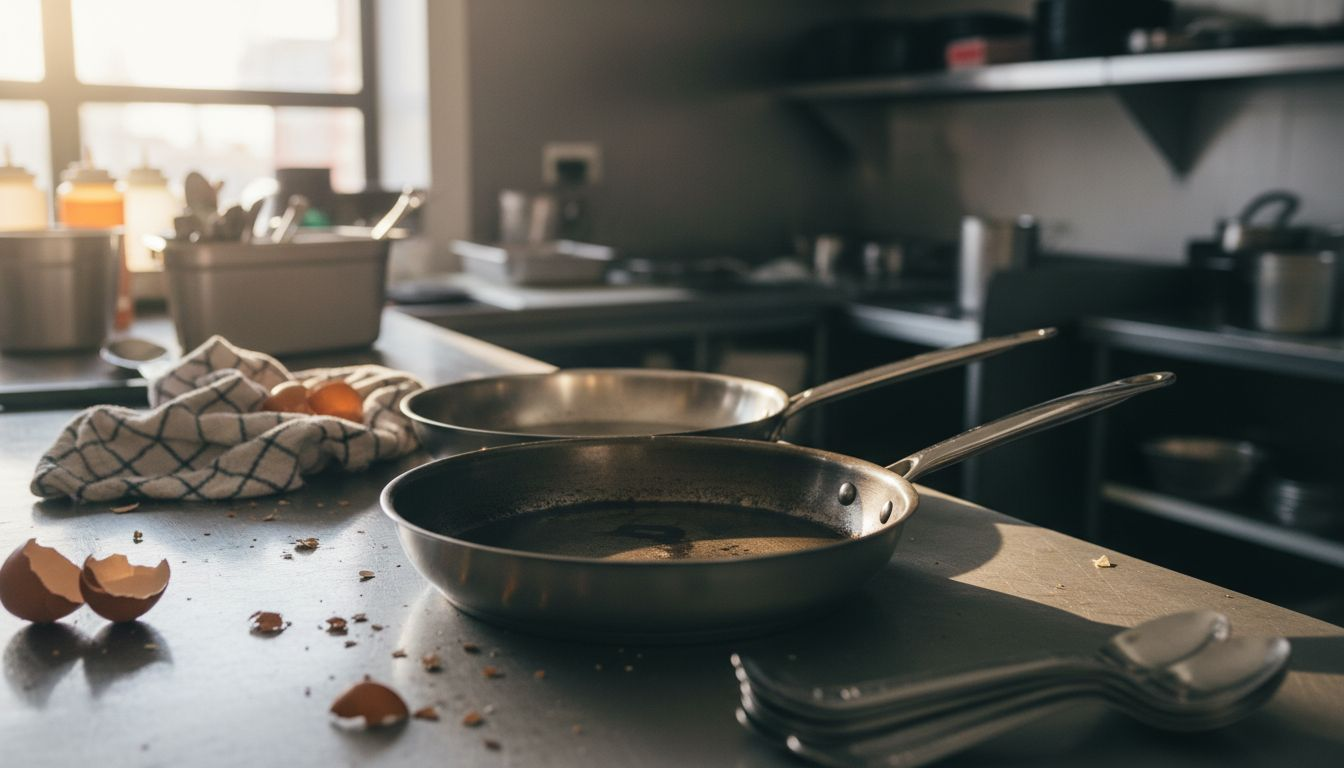
Heat transfer and thermal responsiveness distinguish these materials significantly. Carbon steel exhibits remarkable heat retention and rapid temperature adaptation, allowing chefs precise control during cooking processes. This characteristic makes carbon steel particularly attractive for techniques requiring immediate temperature adjustments, such as searing meats or quickly reducing sauces.
The molecular composition further influences each material’s performance. Stainless steel’s chromium and nickel content provides resistance against rust and corrosion, whereas carbon steel’s iron-carbon composition requires deliberate maintenance to prevent oxidation. This fundamental difference means stainless steel offers more passive protection, while carbon steel demands active seasoning and careful handling to maintain its cooking surface.
Pro Kitchen Science Tip: Always match your cookware’s material properties to your specific cooking techniques. Understanding the thermal and structural characteristics of stainless steel and carbon steel will help you select the most appropriate pan for each culinary task.
How Each Performs in Cooking Environments
Stainless steel cookware, particularly when clad with aluminium or copper, demonstrates exceptional heating capabilities, providing remarkable speed and even heat distribution crucial for delicate cooking techniques. Professional chefs appreciate its responsiveness, especially when preparing sauces, sautéing vegetables, or executing precise temperature-dependent recipes that demand rapid thermal adjustments.
Carbon steel, by contrast, excels in high-heat cooking scenarios. Its remarkable heat retention allows consistent temperatures even when adding cold ingredients to the pan, making it the preferred choice for techniques like searing steaks, creating crispy chicken skin, or achieving perfect caramelisation. The material’s ability to withstand intense temperatures without warping makes it particularly valuable for restaurant-style cooking methods.
The performance differences extend beyond basic heating characteristics. Stainless steel’s smooth surface provides more predictable cooking results, ideal for delicate foods like fish or egg-based dishes. Carbon steel, with its developing seasoned surface, creates a naturally non-stick environment that improves with repeated use, making it superior for building flavour through fond development and creating rich pan sauces.
Pro Cooking Environment Tip: Match your cookware to specific cooking techniques. Use stainless steel for precise, quick-temperature recipes and carbon steel for high-heat, flavour-building cooking methods that benefit from its exceptional heat retention and seasoning properties.
Durability, Care and Health Considerations
Stainless steel cookware demonstrates remarkable durability, offering significant resistance against rust and corrosion, making it an exceptional long-term investment for home and professional kitchens. Proper maintenance involves strategic preheating, careful oiling, and avoiding extreme temperature variations to prevent potential discolouration or surface damage. Its non-reactive nature ensures that cooking acidic foods won’t compromise the pan’s structural integrity.
Carbon steel requires more attentive maintenance to prevent rust and maintain its cooking performance, demanding a proactive approach to care. This involves immediate drying after washing, applying a thin protective oil layer, and consistent seasoning to develop its natural non-stick surface. The ongoing seasoning process not only protects the pan but also enhances its cooking capabilities, creating a unique patina that improves with each use.
From a health perspective, both materials offer significant advantages over traditional non-stick cookware. Stainless steel provides a completely inert cooking surface free from chemical coatings, while carbon steel develops a naturally non-stick surface through seasoning, eliminating concerns about synthetic non-stick materials. Both materials are free from harmful chemical leaching, making them excellent choices for health-conscious home cooks and professional chefs seeking safe, high-performance cookware.
Pro Maintenance Tip: Develop a consistent care routine tailored to your cookware’s specific material. For stainless steel, focus on proper cleaning and avoiding sudden temperature changes; for carbon steel, prioritise thorough drying and regular light oiling to maintain its protective seasoned surface.
For reference, here’s a maintenance and health consideration summary for both pan types:
| Consideration | Stainless Clad | Carbon Steel |
|---|---|---|
| Rust & Corrosion Risk | Rare if properly cleaned | High without prompt drying/oiling |
| Cleaning Recommendations | Dishwasher safe, avoid harsh abrasives | Hand-wash only, avoid prolonged soaking |
| Chemical Leaching Risk | Inert, no chemical coatings | None if properly seasoned |
| Suited for Health-Conscious | Yes, safe for all foods | Yes, once seasoning is established |
Choosing the Right Pan for Your Needs
Stainless steel cookware offers exceptional versatility for a wide range of cooking techniques, making it an ideal choice for home cooks and professional chefs seeking a reliable all-purpose pan. Its non-reactive surface allows seamless cooking of acidic ingredients like tomatoes and wines, while providing consistent performance across searing, sautéing, and deglazing methods. The smooth surface ensures predictable cooking results and easy cleaning, appealing to those who value convenience and reliability.
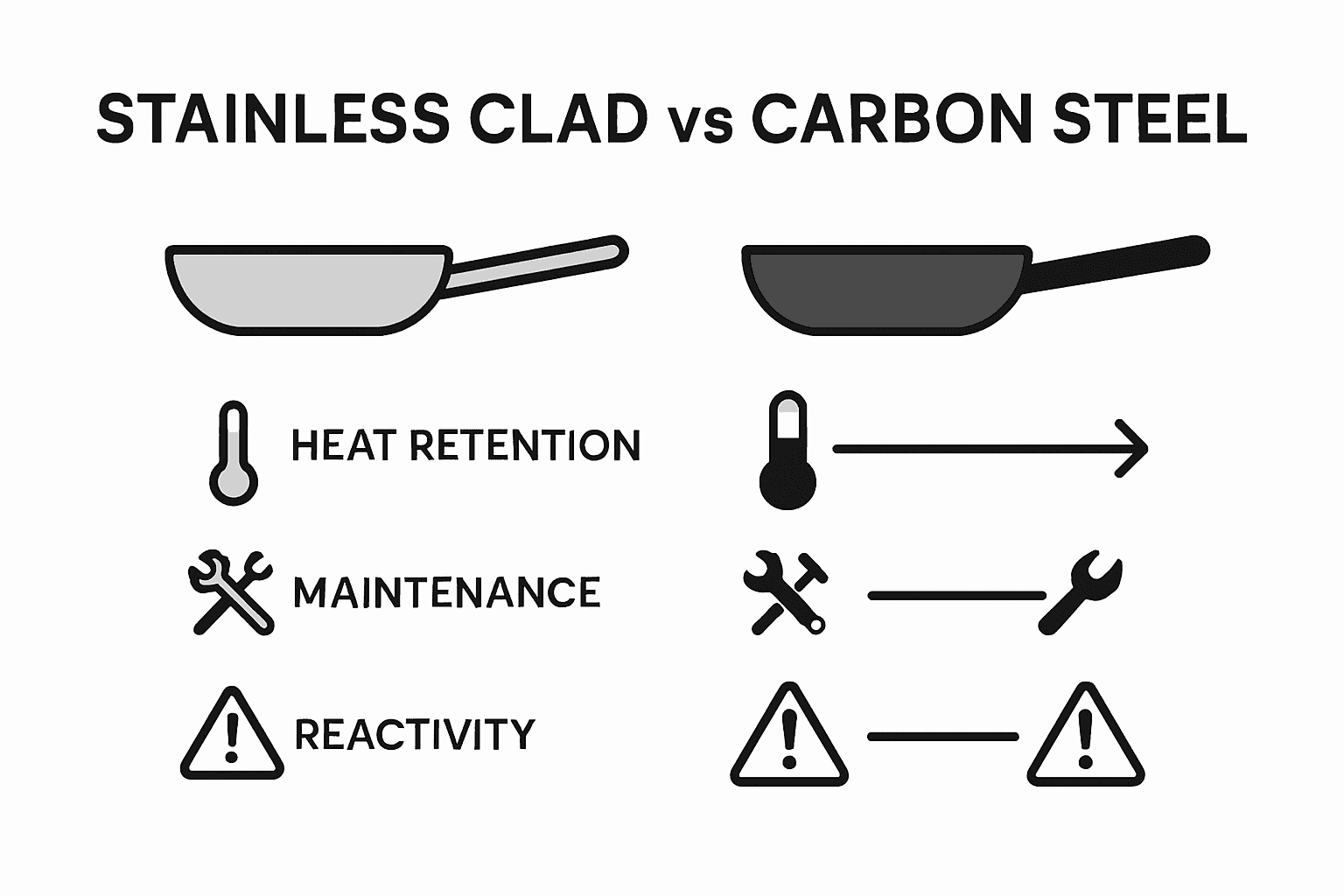
Carbon steel excels in high-heat cooking scenarios, particularly for techniques demanding rapid temperature control, such as stir-frying and searing meats. Chefs who prioritise precise heat management and desire a pan that develops enhanced flavour characteristics through seasoning will find carbon steel particularly compelling. Its ability to withstand intense temperatures and create remarkable caramelisation makes it a favourite among professional kitchen environments.
Selecting the right pan depends on your specific cooking style, maintenance commitment, and culinary preferences. Stainless steel suits those seeking low-maintenance, all-purpose cookware with consistent performance. Carbon steel appeals to passionate cooks willing to invest time in seasoning and maintenance, who appreciate a pan that improves with each use and develops a unique cooking character. Consider your cooking frequency, preferred techniques, and willingness to engage in regular pan care when making your selection.
Pro Selection Tip: Assess your cooking habits critically. If you frequently prepare delicate dishes and value easy maintenance, choose stainless steel. If you enjoy high-heat cooking and don’t mind a bit of extra care, carbon steel will reward you with exceptional performance and flavour development.
Elevate Your Cooking with Expertly Crafted Carbon Steel Cookware
Choosing between stainless clad and carbon steel cookware often comes down to balancing performance with maintenance. If you appreciate the high heat responsiveness and natural nonstick benefits described in the article, our collection offers heirloom-quality pans designed specifically for serious cooks who want superior heat retention and durability. At Brass & Steel, we forge our pans from a single carbon steel sheet to eliminate weak points, creating cookware that builds flavour with every use and rewards consistent care.
Explore our Carbon Steel Collection | Brass&Steel for professional-grade pans that deliver on the performance differences highlighted here. Whether you need a resilient 27 cm or a generous 30 cm carbon steel sauté pan, our designs embody the perfect blend of engineering precision and culinary function. Take your kitchen to the next level today by investing in cookware that fits your style and cooking goals. Visit Brass & Steel now and experience cookware crafted with passion and purpose.
Frequently Asked Questions
What is the difference in heat retention between stainless clad and carbon steel cookware?
Carbon steel excels in heat retention and responsiveness, allowing for consistent temperatures even when adding cold ingredients. Stainless clad offers even heat distribution but may not retain heat as effectively as carbon steel in high-heat cooking scenarios.
How do I maintain carbon steel cookware compared to stainless clad?
Carbon steel requires more attentive maintenance, including immediate drying, regular oiling, and consistent seasoning to prevent rust and develop a non-stick surface. Stainless clad needs less maintenance, focusing mainly on regular cleaning and avoiding extreme temperature changes.
Can stainless clad cookware be used for cooking acidic foods?
Yes, stainless clad cookware is non-reactive, making it suitable for cooking acidic foods like tomatoes and wines without compromising its surface or flavour.
Which type of cookware is better for precise temperature control in cooking?
Carbon steel is better for precise temperature control, especially in high-heat cooking techniques like searing and stir-frying, due to its rapid heat responsiveness and ability to withstand intense temperatures.
Recommended
- Understanding Hexclad vs Carbon Steel for Cooking – Brass & Steel
- Carbon Steel vs Stainless Steel Cookware – What Every Chef Needs to Kn – Brass & Steel
- Understanding What is Carbon Steel Cookware Performance – Brass & Steel
- Understanding Why Professional Chefs Use Carbon Steel – Brass & Steel
- Understanding Improving Kitchen Ventilation for Families
- Top Shutter Styles for Kitchens in the UK: 2025 Guide | Shutter World