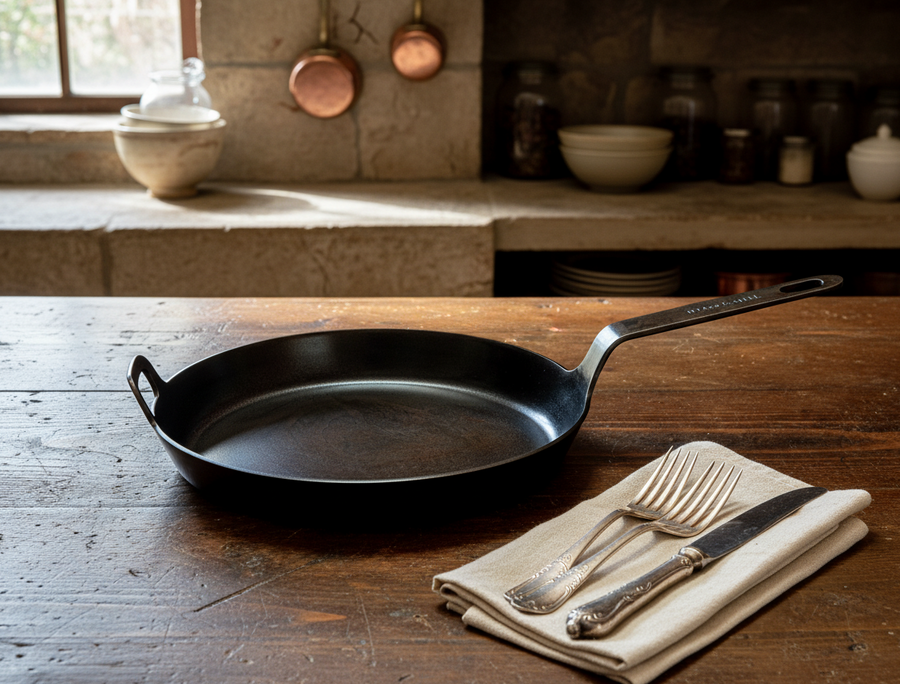
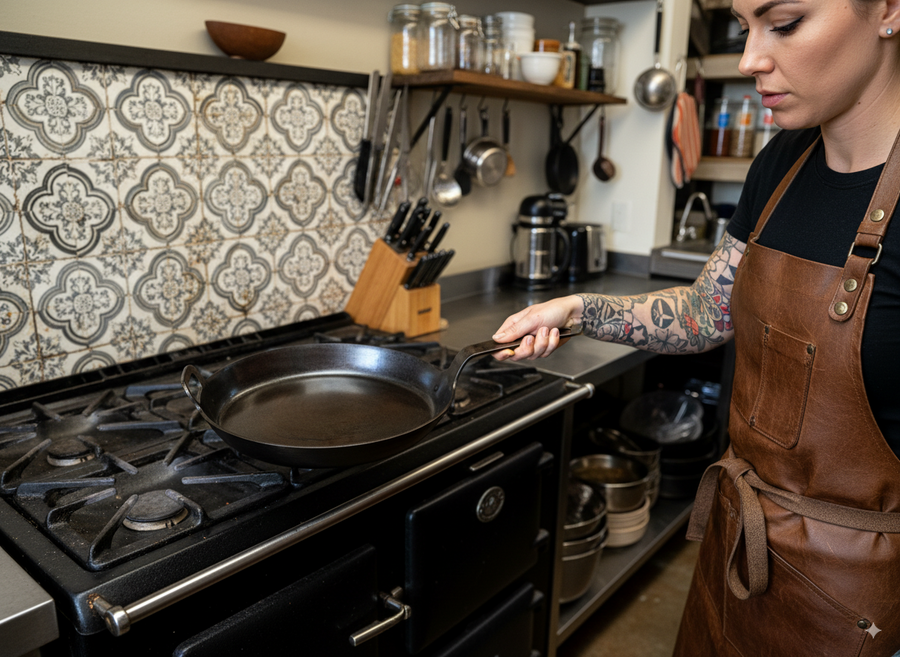
7 Essential Carbon Steel Pan Upgrades for Home Cooks
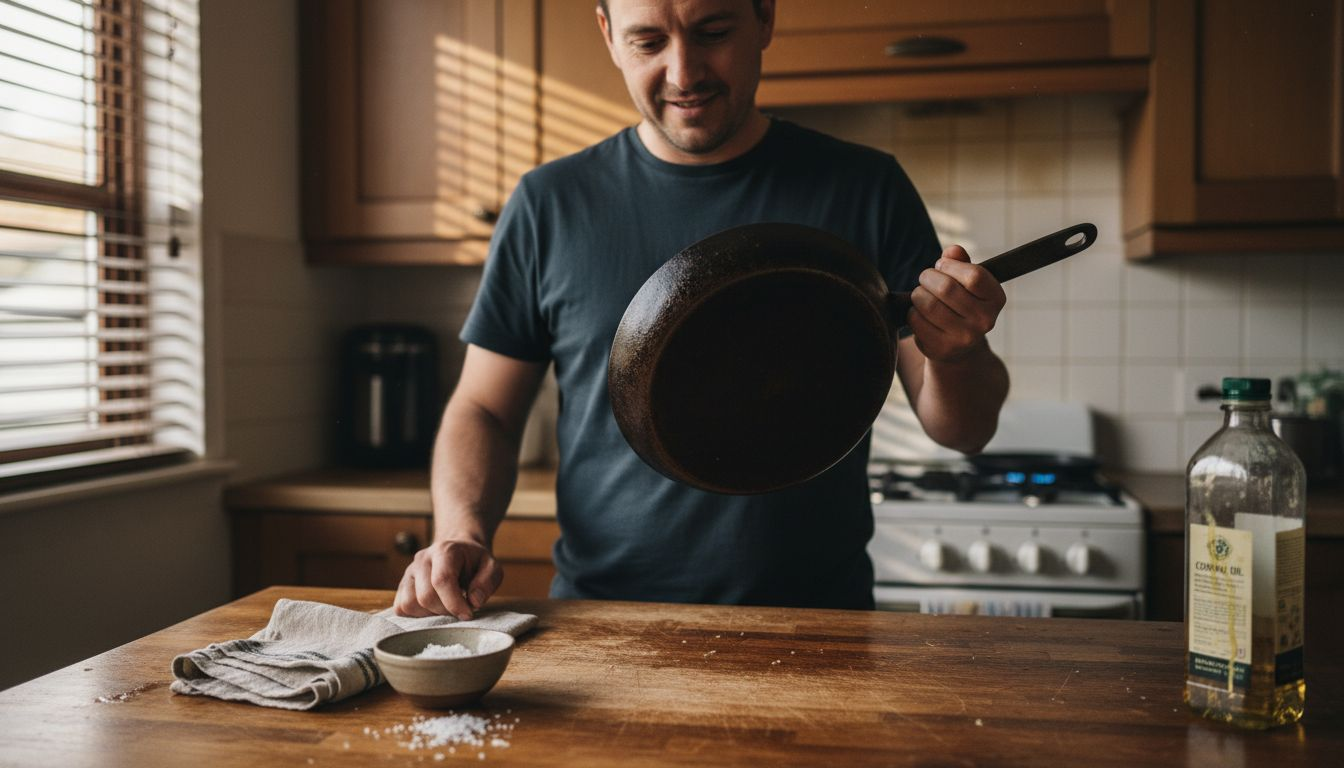
Choosing your first carbon steel pan can feel confusing with so many shapes and sizes available. Pick the wrong type and you risk uneven cooking or a pan that hardly fits your stovetop. The right carbon steel pan changes everything, giving you better heat control and a more enjoyable cooking experience every day.
This guide unlocks practical strategies home cooks use to select, care for, and get the best out of their pans. You will learn how to match the pan size to your needs, get safer surfaces, and maintain restaurant-quality searing power.
Get ready for straightforward tips that will help you avoid common mistakes and turn your carbon steel pan into the most reliable tool in your kitchen.
Table of Contents
- 1. Choose The Right Carbon Steel Pan Size For Versatile Cooking
- 2. Upgrade To Single-Piece Construction For Added Strength
- 3. Enhance Nonstick Performance With Proper Seasoning
- 4. Achieve Better Searing By Leveraging High Heat Retention
- 5. Switch To PTFE-Free Cookware For Health Benefits
- 6. Improve Induction Cooking With Compatible Pan Selection
- 7. Maintain Your Pan For Lifelong Durability And Performance
Quick Summary
| Key Message | Explanation |
|---|---|
| 1. Choose the Right Size | A 27-30 cm carbon steel pan is versatile for various cooking tasks and suitable for most households. |
| 2. Opt for Single-Piece Construction | Single-piece carbon steel pans reduce food traps, enhance durability, and improve heat distribution for better cooking results. |
| 3. Master Proper Seasoning | Effective seasoning creates a nonstick surface for your pan and improves with consistent use and proper oil application. |
| 4. Maintain Your Pan Properly | Regular cleaning, thorough drying, and light oiling are essential to preserve the performance and longevity of your carbon steel pan. |
| 5. Select PTFE-Free Cookware | Transitioning to PTFE-free carbon steel pans reduces synthetic chemical exposure and promotes health-conscious cooking practices. |
1. Choose the Right Carbon Steel Pan Size for Versatile Cooking
Selecting the right carbon steel pan size is crucial for creating culinary magic in your kitchen. The perfect pan transforms cooking from a chore into an enjoyable experience.
Most home cooks find that a 27-30 cm carbon steel pan provides the ideal balance between versatility and practicality. This size range offers remarkable flexibility for various cooking tasks.
Consider these key factors when choosing your pan size:
- Household Size: Smaller households (1-2 people) benefit from 27 cm pans
- Cooking Frequency: Regular home cooks need medium to large pans
- Cooking Style: Versatile sizes work best for searing, sautéing, and frying
- Storage Space: Ensure your kitchen can accommodate the pan’s dimensions
The thickness of your pan matters as much as its size. A pan around 2.5-3 mm thick provides excellent heat retention and even cooking performance. Thicker pans distribute heat more consistently and help prevent hot spots that can ruin your dishes.
Choosing the right pan size optimises your cooking performance and kitchen efficiency.
Pro tip for selecting pan sizes: Measure your stovetop burner size and choose a pan that matches or is slightly smaller to ensure even heat distribution and optimal cooking results.
2. Upgrade to Single-Piece Construction for Added Strength
Designing a carbon steel pan with single-piece construction represents a significant upgrade for serious home cooks. This innovative manufacturing approach transforms your cookware into a more durable and hygienic kitchen tool.
Professional chefs have long recognised the advantages of single-piece carbon steel pans. By eliminating multiple welding points and rivets manufacturers create a seamless cooking surface that offers remarkable benefits.
Key advantages of single-piece construction include:
- Reduced Food Traps: Smooth surface prevents debris accumulation
- Enhanced Durability: No weak joints or potential corrosion points
- Easier Cleaning: Seamless design simplifies maintenance
- Improved Heat Distribution: Uniform construction supports consistent cooking
The absence of rivets means less friction and smoother cooking experiences. Your pan becomes not just a kitchen tool but a precision instrument designed for optimal performance.
Single-piece carbon steel pans represent the pinnacle of cookware engineering.
Pro tip: When purchasing a carbon steel pan inspect the construction carefully and look for pans forged from a single metal sheet without visible seams or rivets.
3. Enhance Nonstick Performance with Proper Seasoning
Mastering the art of seasoning transforms a carbon steel pan from a basic kitchen tool into a superior cooking surface. Creating a natural nonstick layer requires patience and understanding.
Seasoning builds a protective patina that prevents food from sticking and protects your pan from rust. Think of it as creating a microscopic shield that improves with every cooking session. Professional chefs have long known that a well-seasoned carbon steel pan outperforms traditional nonstick cookware.
Key steps for effective seasoning include:
- Use High Smoke Point Oils: Grapeseed, avocado, or sunflower oils work best
- Apply Thin, Even Layers: Prevent oil pooling or uneven seasoning
- Heat Consistently: Bake at high temperatures to polymerise oil
- Cook Fatty Foods Initially: Builds robust seasoning faster
Understanding carbon steel seasoning techniques helps develop a durable nonstick surface that improves with every meal you prepare.
A properly seasoned carbon steel pan becomes more nonstick with each cooking session.
Pro tip: Always dry your pan completely after washing and apply a light coat of oil to maintain the seasoning and prevent rust.
4. Achieve Better Searing by Leveraging High Heat Retention
Carbon steel pans represent the pinnacle of heat performance for home cooks seeking restaurant-quality sears. Understanding how to harness their exceptional thermal properties transforms ordinary cooking into a culinary art.
These remarkable pans combine rapid heat responsiveness with extraordinary heat retention. Professional-quality searing techniques depend on maintaining consistent, high temperatures that create deep caramelisation and perfect browning.
Key advantages of carbon steel’s heat performance include:
- Quick Temperature Adjustment: Responds faster than cast iron
- Even Heat Distribution: Eliminates problematic hot spots
- Superior Thermal Conductivity: Transfers heat more efficiently
- Consistent Cooking Results: Maintains stable temperatures during searing
Carbon steel’s unique composition allows it to reach extremely high temperatures rapidly while maintaining an incredibly stable thermal environment. This means you can achieve that coveted golden-brown crust on steaks and vegetables with remarkable precision.
High heat retention transforms ordinary cooking into professional-level cuisine.
Pro tip: Preheat your carbon steel pan slowly and thoroughly to ensure maximum heat retention and the most spectacular sear possible.
5. Switch to PTFE-Free Cookware for Health Benefits
Health-conscious home cooks are increasingly recognising the importance of choosing safe cookware materials. Carbon steel represents an exceptional alternative to traditional nonstick pans containing potentially harmful synthetic chemicals.
Making the switch to PTFE-free cookware alternatives offers significant health and environmental advantages. These materials eliminate risks associated with synthetic coatings that may release toxic compounds when overheated.
Key benefits of switching to PTFE-free cookware include:
- No Synthetic Chemical Exposure: Eliminates potential health risks
- Natural Nonstick Surface: Develops through proper seasoning
- Longer Cookware Lifespan: More durable than coated pans
- Better Heat Performance: Improved thermal conductivity
Carbon steel pans provide a natural cooking surface that actually improves with use. The seasoning process creates a nonstick layer without introducing artificial chemicals into your cooking environment.
Choosing PTFE-free cookware is an investment in your long-term health and culinary experience.
Pro tip: Transition gradually by replacing one nonstick pan at a time with a high-quality carbon steel alternative to make the switch more manageable.
6. Improve Induction Cooking with Compatible Pan Selection
Induction cooking represents a modern, energy-efficient approach to preparing meals. Selecting the right carbon steel pan can dramatically enhance your induction cooking experience.
Carbon steel pans are uniquely suited for induction cooktop performance due to their magnetic properties and excellent heat conductivity. The material’s inherent iron composition allows seamless interaction with electromagnetic heating elements.
Key considerations for induction-compatible carbon steel pans include:
- Magnetic Base: Ensures efficient electromagnetic energy transfer
- Flat Bottom: Maximises contact with cooktop surface
- Thickness: 3-4mm pans provide optimal heat distribution
- Construction Quality: Single-piece designs work best
Understanding the science behind induction cooking helps you make informed cookware choices. The pan’s magnetic responsiveness directly influences cooking efficiency and heat control.
Proper pan selection transforms induction cooking from basic to extraordinary.
Pro tip: Always check your pan’s magnetic properties by testing it with a refrigerator magnet before purchasing for induction use.
7. Maintain Your Pan for Lifelong Durability and Performance
Carbon steel pans are extraordinary kitchen tools designed to last generations when treated with proper care. Understanding maintenance fundamentals transforms your cookware from a simple utensil into a cherished culinary companion.
Proper maintenance involves more than routine cleaning. Carbon steel pan maintenance requires a systematic approach that preserves both functionality and aesthetic quality.
Essential maintenance practices include:
- Consistent Cleaning: Remove food residue after each use
- Thorough Drying: Prevent rust by eliminating moisture completely
- Light Oiling: Apply thin protective layer after cleaning
- Proper Storage: Keep in dry environment with good air circulation
Your carbon steel pan develops character through careful use. Each cooking session and maintenance ritual contributes to its developing nonstick surface and enhanced performance.
Thoughtful maintenance transforms cookware from an appliance into a culinary legacy.
Pro tip: Inspect your pan regularly for signs of rust or seasoning breakdown and address these issues immediately to maintain long-term performance.
Below is a comprehensive table summarising the key strategies and insights discussed throughout the article on selecting, using, and maintaining carbon steel pans for optimal cooking outcomes.
| Topic | Detailed Insights | Key Recommendations |
|---|---|---|
| Choosing the Right Pan Size | Match pan size to household needs, cooking habits, and storage limits. Ensure compatibility with stovetop burners for even heat distribution. | Select 27–30 cm pans for versatility; smaller for single users, larger for frequent cooks. |
| Single-Piece Construction Upgrade | Offers increased durability, hygiene, and ease of use with a seamless cooking surface. Prevents food from accumulating in rivets. | Inspect for construction from a single metal sheet without visible seams. |
| Seasoning the Pan | Effective seasoning creates a natural nonstick layer, improving as it is used. Use oils with high smoke points and apply even coats. | Season with oils like grapeseed; cook fatty foods to develop the patina. |
| Heat Retention and Cooking Performance | Ideal for achieving consistent, high-heat searing and even cooking across the pan. | Preheat thoroughly before use to maximise the thermal benefits. |
| PTFE-Free Cookware Benefits | Promotes health and sustainability with a natural nonstick surface, eliminating synthetic chemicals. | Transition gradually by opting for high-quality carbon steel pans. |
| Induction Cooking Compatibility | Magnetic and evenly flat surfaces optimise induction cooktop efficiency. | Verify magnetic bases and uniform bottoms for ideal functionality. |
| Ongoing Maintenance | Regular cleaning, drying, and light oil applications preserve pan longevity and performance. | Store in a dry area, inspect frequently for rust or wear. |
Elevate Your Home Cooking with Expert Carbon Steel Pans from Brass & Steel
If you have been searching for a solution to upgrade your cookware with a durable, high-performance pan that supports seamless cooking, Brass & Steel offers exactly what you need. This article highlights critical upgrades such as single-piece construction, proper seasoning for a natural nonstick surface, and induction compatibility—features central to our Carbon Steel Collection. Our pans are expertly forged from one sheet of carbon steel to deliver exceptional heat retention, health-conscious design, and lifetime durability.
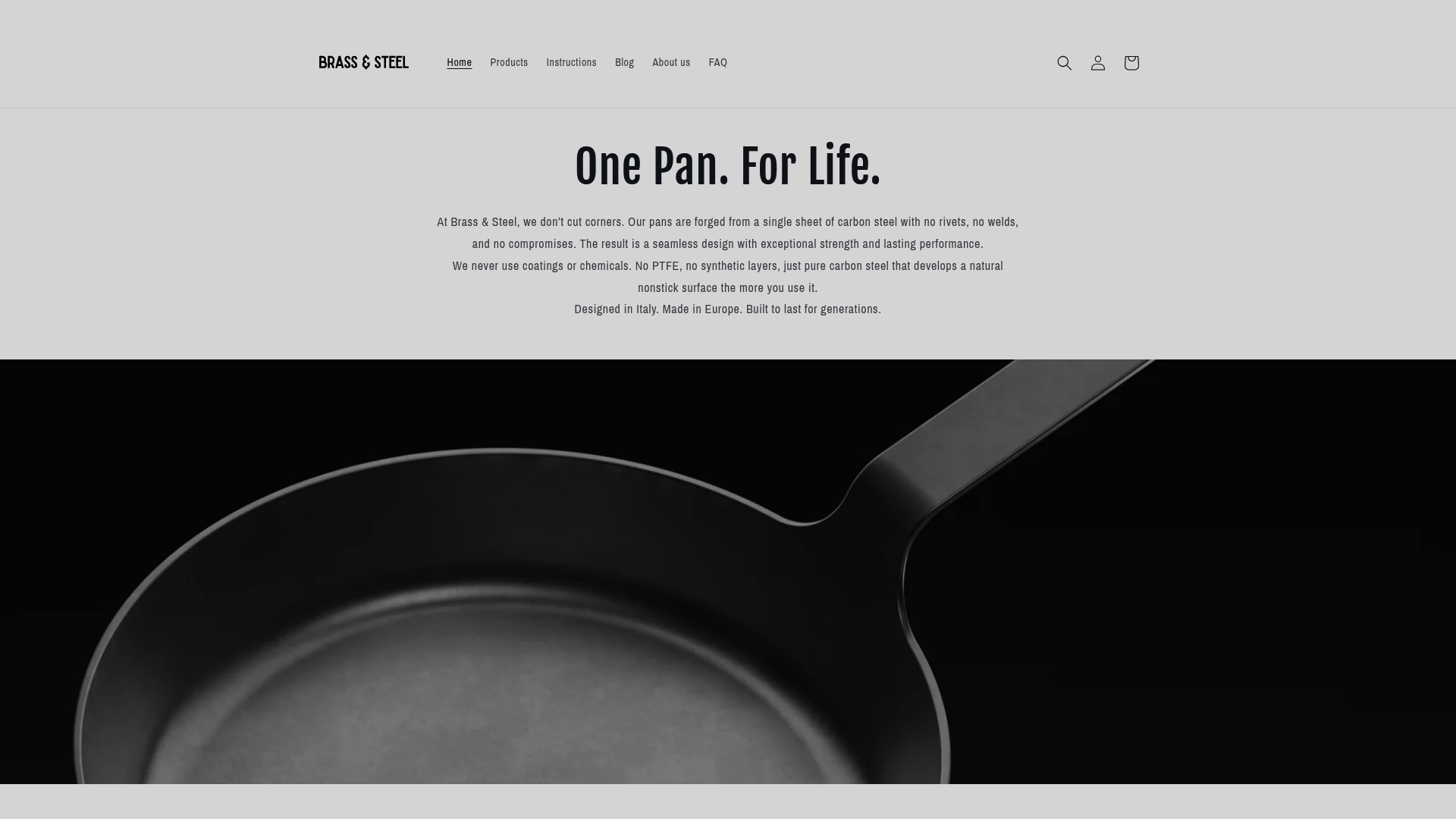
Discover heirloom-quality carbon steel cookware that evolves with every use at Brass & Steel. Whether you prefer the versatile 27 cm pan or the generous 30 cm sauté pan, now is the perfect time to experience why professional cooks trust our pans for flawless sears and superior cooking performance. Explore our New Arrivals for the latest innovations and complement your kitchen with essential Accessories crafted for long-lasting use. Begin your upgrade to better cooking today and turn every meal into a culinary masterpiece.
Frequently Asked Questions
What size carbon steel pan should I choose for versatile cooking?
Selecting a carbon steel pan size between 27-30 cm is ideal for most home cooks. This size balances versatility and practicality, making it perfect for various cooking tasks. Consider your household size and cooking frequency to determine the best fit.
How can I improve the nonstick performance of my carbon steel pan?
To enhance nonstick performance, master the art of seasoning your carbon steel pan properly. Use high smoke point oils to create a natural nonstick layer, and remember to apply thin, even coats to build up the seasoning over time.
How can I achieve a better sear when cooking with carbon steel?
To attain a superior sear, preheat your carbon steel pan thoroughly before adding food. This ensures consistent high temperatures that facilitate deep caramelisation and perfect browning, essential for restaurant-quality dishes.
What are the health benefits of using PTFE-free carbon steel cookware?
Switching to PTFE-free carbon steel cookware eliminates exposure to synthetic chemicals found in traditional nonstick pans. This promotes a healthier cooking environment and allows you to create a natural nonstick surface through proper seasoning.
How should I maintain my carbon steel pan for long-lasting performance?
Proper maintenance involves consistent cleaning, thorough drying, and applying a light layer of oil after each use. Doing this will help preserve the pan’s seasoning and prevent rust, ensuring your carbon steel pan lasts for generations.
How do I know if my carbon steel pan is compatible with induction cooking?
To ensure compatibility with induction cooking, check if your carbon steel pan has a magnetic base and a flat bottom. Using a simple refrigerator magnet test can quickly confirm the pan’s magnetic properties to maximise cooking efficiency.
Recommended
- 7 Essential Pans for Kitchen Every Serious Cook Needs – Brass & Steel
- 6 Types of Carbon Steel Pans Every Chef Should Know – Brass & Steel
- 7 Essential Tips for Cooking with Carbon Steel Pans – Brass & Steel
- 7 Essential Kitchen Cookware Pieces Every Chef Needs – Brass & Steel
- Paella De Vegetales | kokcha