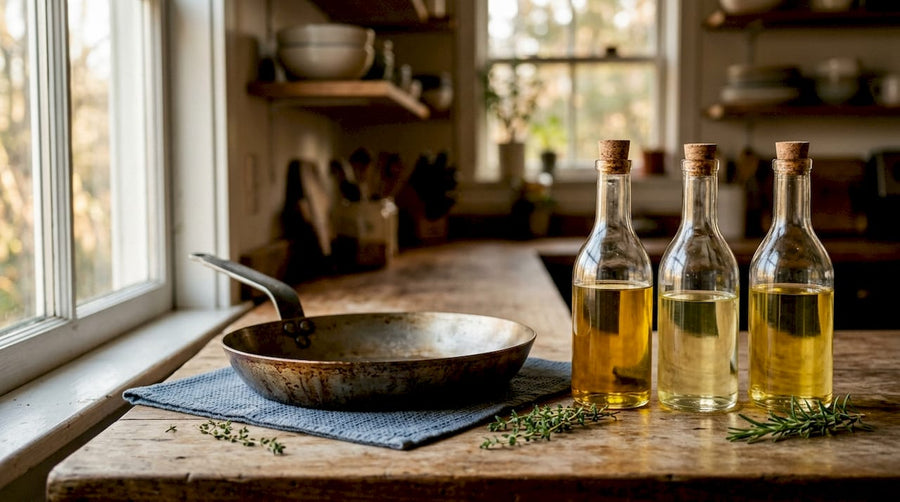
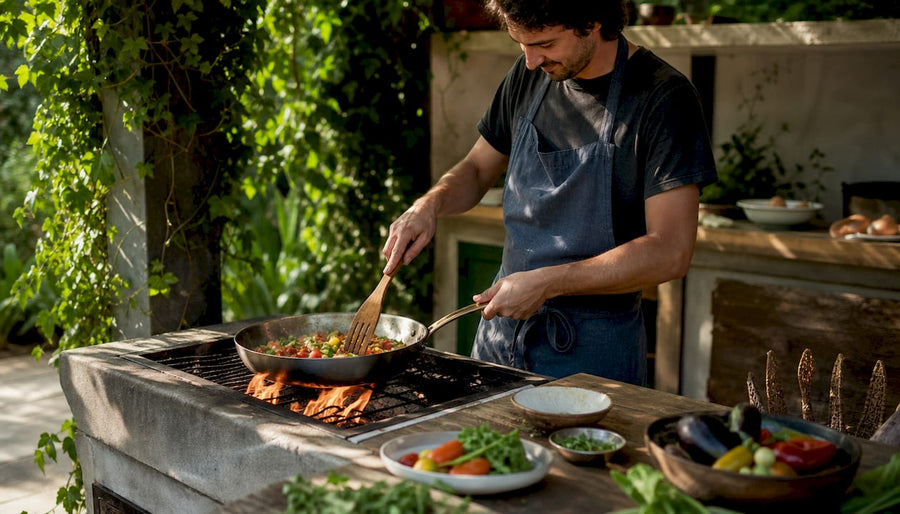
7 Carbon Steel Pan Quick Facts Every Serious Cook Needs
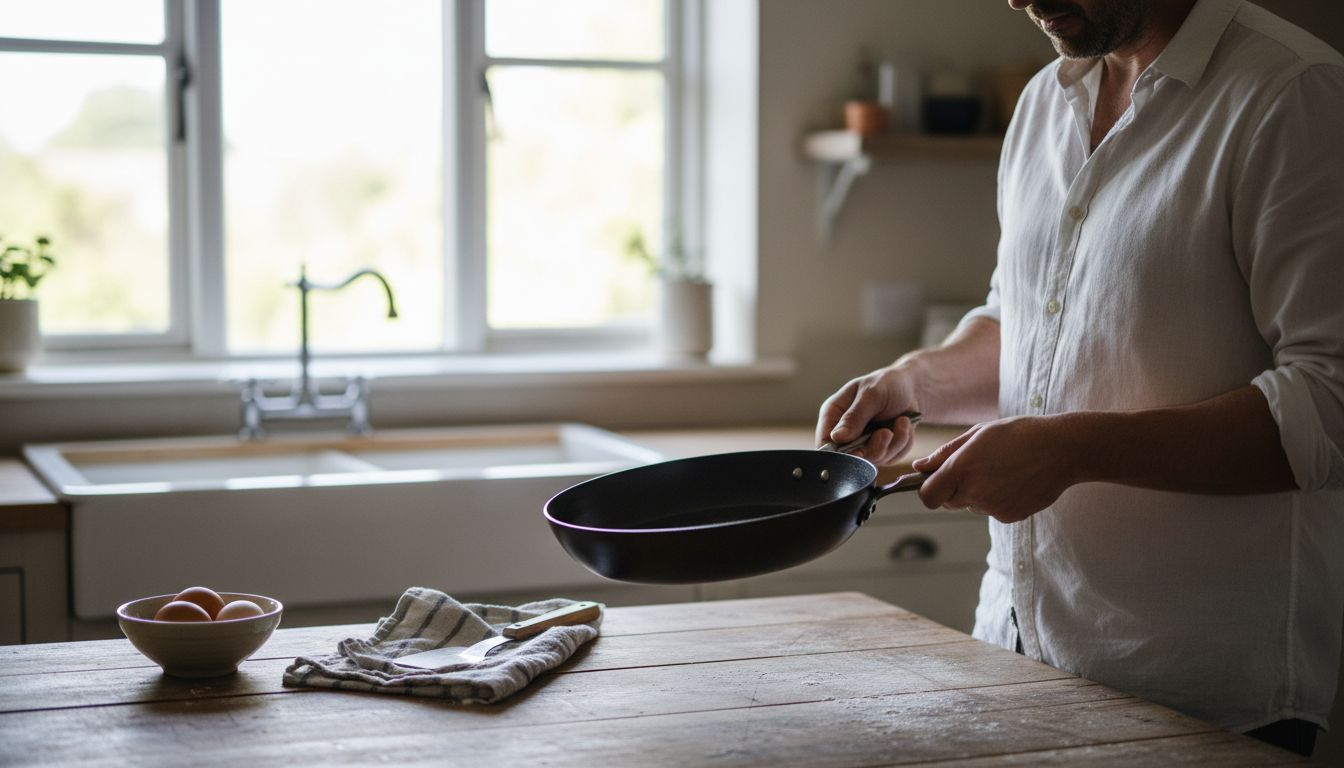
Upgrading your kitchen tools can quickly become confusing when you want something that lasts and truly performs. Many pans lose their shape, coatings peel, and what started out nonstick ends up frustrating. If you’re searching for cookware you can rely on year after year, carbon steel stands out for its resilience, versatility, and safety.
This guide reveals exactly what separates quality carbon steel pans from ordinary options. You’ll discover why features like single-piece construction, a natural nonstick patina, and chemical-free surfaces matter for your daily cooking. Get ready to find practical answers to common problems and learn how to keep your pan performing at its best across any hob.
Table of Contents
- 1. Single-Piece Construction For Extra Durability
- 2. Building A Natural Nonstick Patina Safely
- 3. High Heat Performance And Cooking Precision
- 4. Health Benefits: No PtfE Or Chemical Coatings
- 5. Induction Compatibility And Versatility
- 6. Easy Maintenance For Longevity
- 7. Quick Troubleshooting For Common Pan Issues
Quick Overview
| Key Message | Explanation |
|---|---|
| 1. Single-piece construction enhances durability | Pans made from a single sheet of carbon steel avoid weak points that can fail, ensuring longevity and resistance to warping. |
| 2. Develop a natural nonstick patina | Season your carbon steel pan with high-smoke-point oils to create a safe, durable nonstick surface that improves over time. |
| 3. Excellent heat retention and responsiveness | Carbon steel pans heat evenly and quickly, offering precise temperature control for various cooking techniques. |
| 4. Healthier cooking without chemicals | Cooking with carbon steel eliminates toxic coatings found in synthetic nonstick pans, promoting safe and healthy meals. |
| 5. Easy maintenance prolongs lifespan | Simple aftercare, including washing and oiling, is vital to keeping your carbon steel pan in ideal condition and preventing rust. |
1. Single-Piece Construction for Extra Durability
When you’re investing in cookware that will last decades, single-piece construction is a game-changer. This means the entire pan, from base to handle, is forged from one continuous sheet of carbon steel rather than assembled from separate parts.
Traditional pans often rely on rivets or welds to join the handle to the bowl. Every one of those connection points is a potential failure spot. When you heat a pan repeatedly, metal expands and contracts. Over years of cooking, these stress points can weaken, crack, or eventually fail. Single-piece construction eliminates this problem entirely.
Why this matters for serious cooks:
- No rivets mean nothing to corrode or collect food debris
- Seamless construction prevents weak points that could warp under high heat
- You avoid the risk of handle separation after years of use
- Cleaning is simpler since there are no crevices where bacteria can hide
High-quality carbon steel pans like those with heavy construction and single-piece design are specifically engineered for durability and resistance to warping and denting. This construction method has been used in professional kitchens for generations because it simply works.
Think of it like building a bridge. A structure made from one continuous piece of steel is fundamentally stronger than one bolted together from multiple sections. You get better heat distribution, better structural integrity, and a pan that genuinely improves with age instead of deteriorating.
The handle becomes part of the pan itself, not an afterthought. This means better ergonomics and a connection that never loosens or fails. Over a lifetime of cooking, this translates to reliability you can count on.
When you cook with a single-piece pan, you’re not just using cookware. You’re using a tool that will outlast trends, warranty periods, and countless dinner parties.
Single-piece construction eliminates weak points that cause premature failure, ensuring your investment lasts for decades of serious cooking.
Pro tip: When examining a carbon steel pan before purchase, run your finger along where the handle meets the bowl. If you feel any seams, welds, or rivets, the pan is not single-piece forged construction. A truly seamless joint means superior durability.
2. Building a Natural Nonstick Patina Safely
Unlike synthetic nonstick coatings that degrade over time, a natural patina on carbon steel actually improves with every meal you cook. This protective layer develops through seasoning, which creates a smooth, nonstick surface without any harmful chemicals.
The patina forms when oil polymerises under heat. When you apply a thin layer of oil and heat your pan to the right temperature, the oil molecules bond together and fuse to the steel’s surface. This happens gradually, building up over multiple applications. Each time you cook with fat or oil, you’re adding another microscopic layer to your seasoning.
Understanding how carbon steel pans develop patina helps you approach seasoning with confidence rather than fear. The process is straightforward once you know what you’re doing.
Why safety matters:
- Wrong oils can smoke excessively or create a sticky, flaking surface
- Overheating causes patina to burn rather than bond properly
- Insufficient heat won’t polymerise the oil adequately
- Rushing the process leads to uneven coverage and disappointing results
Choose high-smoke-point oils like canola, grapeseed, sunflower, or avocado oil. These oils withstand the heat required for proper polymerisation without breaking down into harmful compounds. Avoid olive oil and animal fats, which burn too easily and create a weak, sticky layer.
The seasoning process requires patience. Apply a very thin coat of your chosen oil, then wipe away almost all of it. Your pan should look nearly dry. If you apply too much oil, it becomes sticky and may flake off once cooled. This is one of the most common mistakes home cooks make.
Bake your pan upside down in a 250°C oven for 30 minutes. The upside-down position prevents excess oil from pooling. Repeat this process 2 to 3 times for a strong foundation. After that, your everyday cooking maintains and strengthens the patina naturally.
Proper seasoning with the correct oil and temperature creates a food-safe nonstick surface that strengthens over years of cooking.
Each time you cook with fatty foods, you reinforce this protective layer. Steak, bacon, or buttered vegetables all contribute to seasoning your pan. Unlike synthetic coatings that eventually peel off, your natural patina becomes more reliable and effective as time passes.
Pro tip: After cooking, while your pan is still warm, wipe a tiny amount of oil over the cooking surface with a clean cloth. This maintenance step takes seconds but significantly speeds up patina development and keeps your seasoning strong.
3. High Heat Performance and Cooking Precision
Carbon steel excels where other pans struggle. It delivers exceptional heat retention and responds rapidly to temperature changes, giving you the control that separates good cooking from great cooking. Whether you’re searing a steak or stir-frying vegetables, this responsiveness is invaluable.
Most home cooks underestimate how much their cookware affects their results. When you use carbon steel for high heat cooking techniques, the pan heats evenly and maintains consistent temperature across the entire cooking surface. This means no cold spots where food steams instead of browns.
The beauty of carbon steel is its versatility. You can sear protein at extreme temperatures, then immediately reduce heat for a gentle simmer. The pan responds instantly to your adjustments. Cast iron, by comparison, changes temperature slowly and can create unpredictable hot zones. Synthetic nonstick coatings break down under high heat entirely.
Why this matters for your cooking:
- Consistent browning across the entire pan surface
- Perfect crust development on meats and vegetables
- Ability to transition from stovetop to oven seamlessly
- Heat recovery is fast after adding cold ingredients
- Works beautifully for both high and low temperature cooking
Imagine searing a duck breast. You need the pan hot enough to render the skin to crispy perfection without overcooking the meat. Carbon steel holds that precise temperature zone. Once you’ve built your technique and seasoning, this level of control becomes second nature.
The 3mm to 4mm thickness of quality carbon steel pans provides substantial heat capacity without being unwieldy. It’s thick enough to distribute heat evenly but responsive enough that you’re not waiting ages for the pan to adjust when you change the flame.
Stir-frying reveals another advantage. The sloped sides and rapid heat response let you toss ingredients confidently, knowing every corner of the pan maintains cooking temperature. Professional chefs favour carbon steel in kitchens worldwide for this exact reason.
Carbon steel’s rapid heat response and superior heat retention deliver the cooking precision that separates professional results from home cooking.
Temperature control becomes intuitive once you understand your pan. You’ll learn its personality through use. Some cooks develop such intimacy with their carbon steel pan that they rarely need a thermometer.
Pro tip: Preheat your carbon steel pan thoroughly before cooking high heat dishes. A well-preheated pan maintains temperature when cold ingredients make contact, ensuring proper browning and preventing sticking.
4. Health Benefits: No PTFE or Chemical Coatings
When you cook with carbon steel, you’re cooking with pure metal and nothing else. There are no synthetic polymers, no chemical coatings, and no risk of toxic fumes degrading into your food. This is a fundamental health advantage that many serious cooks overlook until they understand what’s actually happening in other cookware.
PTFE (polytetrafluoroethylene) is the polymer used in most nonstick pans. When heated above 260°C, PTFE breaks down and releases fumes that can cause flu-like symptoms in humans. Your carbon steel pan doesn’t have this problem because there’s nothing to break down.
Over the past two decades, research has raised concerns about PTFA (perfluorinated compounds) used in nonstick cookware manufacturing. These chemicals can leach into food and accumulate in your body over time. Carbon steel avoids this entirely by relying on seasoning instead of chemical coatings.
Understanding the health and safety benefits of carbon steel cookware shows why professional kitchens and health-conscious cooks increasingly choose it. The natural patina you build through seasoning is food-safe and chemical-free.
What you avoid with carbon steel:
- Synthetic polymer breakdown at high temperatures
- PFOA and PFAS accumulation in your body
- Chemical leaching when pans are scratched or damaged
- Coating degradation that forces you to replace cookware frequently
- Mystery chemicals in your food
Your seasoning is simply polymerised oil bonded to steel. It’s the same process that happens when you sear meat in any oil. Nothing toxic, nothing synthetic. The layer that develops over months and years is made entirely from ingredients you’d eat anyway.
If you’re cooking for children or pregnant family members, this distinction matters profoundly. You’re removing a potential source of chemical exposure without compromising cooking performance.
Carbon steel eliminates chemical coatings entirely, replacing them with a food-safe, natural patina that strengthens with use.
Many health-conscious professionals switched to carbon steel after learning about PTFE and PFOA concerns. They discovered performance didn’t suffer. It actually improved.
The investment makes sense from a health perspective alone. You’re not just buying cookware. You’re removing a recurring source of chemical exposure from your kitchen for decades.
Pro tip: If you’re transitioning from nonstick cookware due to health concerns, use slightly more fat when cooking on carbon steel initially. Your body is accustomed to the frictionless nonstick surface, so adding a little extra oil helps during the adjustment period.
5. Induction Compatibility and Versatility
One of the most underrated advantages of carbon steel is its universal compatibility. Your pan works on every cooking surface, from gas flame to electric coil to induction. This versatility matters whether you’re cooking in your own kitchen or a professional culinary environment.
Induction cooktops have become increasingly popular in Europe and beyond. They’re efficient, safe, and precise. The catch is that they only work with ferromagnetic cookware, meaning pans must contain iron. Carbon steel has iron as its primary component, making it ideal for induction cooking.
When you use carbon steel on an induction cooktop, the magnetic field causes the pan itself to generate heat. This happens faster and more efficiently than traditional methods. The result is responsive, controllable cooking with minimal energy waste.
Many cooks worry that switching to induction means replacing their cookware. Carbon steel eliminates this problem entirely. Your single pan works everywhere. Use it on your home induction cooktop, then bring it to a rental cottage with a gas range, then to a friend’s electric stove. It performs well on every surface.
Why this matters for your cooking:
- Works on gas, electric, induction, and even open flame
- No need to maintain separate cookware for different kitchens
- Induction heating provides rapid temperature adjustments
- Even heat distribution prevents hot spots regardless of cooktop type
- Your investment remains useful even if you change cooktops later
The flatness and thickness of your carbon steel pan directly affect induction performance. Quality forged pans have perfectly flat bases that make solid contact with induction surfaces. This ensures consistent heat generation across the entire cooking area.
When learning how to use carbon steel pans on induction cooktops, you’ll discover that moderate heat settings work best. High heat on induction with an empty pan can damage the cooktop sensor. Once you add food, higher heat becomes safe and appropriate.
Carbon steel’s iron content makes it induction-compatible whilst maintaining perfect performance on every other cooking surface.
For professional kitchens upgrading to induction, carbon steel is the smart choice. Chefs know their technique and seasoning translate across any cooktop type. This flexibility is impossible with cookware designed for a single heat source.
Pro tip: Use moderate induction power when your pan is empty or cold. Once food enters the pan and heat builds, increase power as needed. This protects your induction cooktop’s sensors whilst ensuring optimal cooking performance.
6. Easy Maintenance for Longevity
Carbon steel pans are remarkably low maintenance compared to what many cooks expect. Unlike synthetic nonstick cookware that degrades with each use, your carbon steel pan improves with proper care. The maintenance routine is straightforward and takes just minutes per day.
Immediate aftercare is where longevity begins. Wash your pan with warm water whilst it’s still slightly warm from cooking. Avoid soaking, which can promote rust. A soft sponge or cloth removes food residue easily. Dry the pan completely with a clean cloth or paper towel.
The critical step comes next. Whilst the pan is still warm or slightly damp, apply a tiny amount of oil and wipe it across the entire cooking surface using a clean cloth. This maintenance coating takes less than 30 seconds and strengthens your seasoning with every use.
Understanding carbon steel cookware maintenance helps you develop habits that last decades. Neglecting these simple steps invites rust and deterioration. Following them makes your pan virtually indestructible.
What to avoid:
- Abrasive scouring pads that damage your seasoning
- Dishwasher cycles that strip the protective patina
- Prolonged soaking in water
- Storing whilst damp or with moisture present
- Sudden temperature changes that cause warping
If rust spots appear, don’t panic. They’re fixable. Use a fine steel wool or specialised rust eraser to gently remove the rust spot, then re-season that area. This takes minutes and restores your pan completely.
Stored properly, carbon steel requires almost no intervention. Keep it in a dry cupboard where moisture won’t accumulate. If you live in a very humid climate, occasionally wipe your stored pan with a thin coat of oil as added protection.
Compare this to synthetic nonstick cookware that requires replacement every few years as coatings degrade. Your carbon steel pan can last generations with minimal effort. You’ll likely pass it to your children.
Simple daily maintenance takes seconds and prevents rust whilst continuously strengthening your pan’s nonstick properties.
The best part is that cooking itself maintains your seasoning. Every meal with fat or oil adds another protective layer. Your pan gets better the more you use it.
Pro tip: Store your carbon steel pan with a very thin oil coat even when it’s clean and seasoned. This prevents oxidisation in humid environments and ensures your pan is always ready for immediate use when you reach for it.
7. Quick Troubleshooting for Common Pan Issues
Even with proper care, carbon steel pans occasionally develop issues. The good news is that most problems are easily fixable. Understanding what causes them and how to address them keeps your pan performing for decades.
Rust spots are the most common concern. They look alarming but aren’t a death sentence for your pan. Light surface rust appears as small brown or orange discolouration. Use fine steel wool or a rust eraser to gently remove it, then re-season that area immediately.
Stubborn rust requires slightly more effort. Soak the affected area in white vinegar for 15 to 30 minutes, then scrub with steel wool. Rinse thoroughly and dry completely before re-seasoning. This process restores the metal without damaging your pan’s overall seasoning.
Sticky surfaces develop when too much oil accumulates during seasoning. The patina becomes tacky rather than slippery. Fix this by scrubbing the pan with a cloth and fine steel wool, then re-season using the proper technique with minimal oil.
Peeling seasoning happens when moisture gets trapped under the patina layer. Clean the affected area thoroughly, dry it completely, and re-season. This usually occurs only in very humid climates or after prolonged storage without protection.
Warping is rare but possible. It occurs from extreme temperature changes, such as adding cold water to a very hot pan. Knowing how to troubleshoot carbon steel pan issues helps you prevent and address warping before it becomes severe. Gentle heating with steady pressure can straighten minor warps.
Quick fixes for common problems:
- Light rust: steel wool scrub and re-season
- Sticky surface: scrub and re-season with minimal oil
- Peeling seasoning: deep clean and repeat seasoning cycles
- Minor warping: gentle heat application with even pressure
- Discolouration: doesn’t affect cooking, purely cosmetic
Most issues stem from improper storage or humidity. Keep your pan dry, store it in a dry location, and maintain light oiling between uses. Prevention is far easier than repair.
Nearly every carbon steel problem has a simple solution that restores your pan to perfect working condition.
Don’t abandon your pan at the first sign of trouble. These issues are temporary setbacks, not permanent damage. Your pan is designed to be salvaged and improved through proper maintenance.
Pro tip: When troubleshooting, always start with the gentlest approach first. Use fine steel wool before coarser options, and test on a small area before treating the entire pan. This preserves your seasoning whilst addressing the specific issue.
Below is a comprehensive table summarising the primary features, benefits, and considerations regarding carbon steel cookware as discussed throughout the article.
| Topic | Details |
|---|---|
| Single-Piece Construction | Ensures enhanced durability by eliminating weak points through seamless design; facilitates better heat distribution and ergonomic usability. |
| Natural Nonstick Patina | Develops naturally over time without harmful chemicals; requires proper seasoning technique with high-smoke-point oils for optimal outcomes. |
| High Heat Performance | Provides excellent heat retention and rapid responsiveness for precise cooking across diverse temperature ranges. |
| Health Benefits | Avoids synthetic coatings containing potentially harmful compounds, relying on food-safe seasoning. |
| Induction Compatibility | High iron content enables use with induction cooktops; versatile performance across multiple cooking surfaces. |
| Maintenance Routine | Requires straightforward upkeep; cleaning and reseasoning ensure pan longevity and performance improvement. |
| Troubleshooting Tips | Provides solutions for common issues such as rust and sticky surfaces, preserving usability and robustness. |
Discover the Ultimate Carbon Steel Pan for Serious Cooks
If you are ready to elevate your cooking with the durability and precision that only a single-piece forged carbon steel pan can deliver then the Carbon Steel Collection | Brass&Steel is your perfect match. Say goodbye to rivets that fail and coatings that chip and embrace cookware that naturally improves with each use thanks to a food-safe seasoned patina.
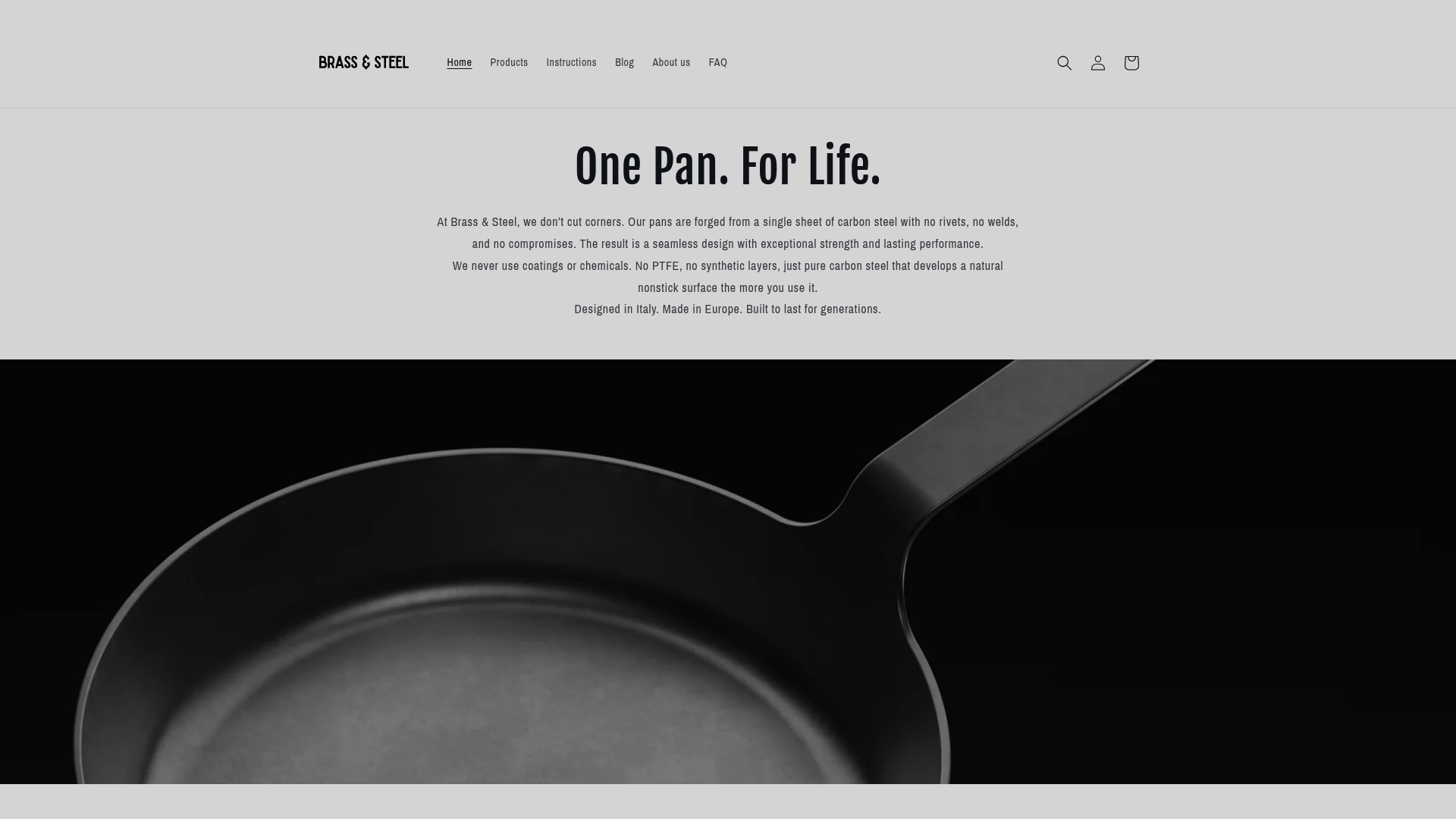
Experience the difference that high heat responsiveness, induction compatibility, and health-conscious design bring to your kitchen. Visit Brass&Steel now and explore how heirloom-quality craftsmanship meets everyday practicality. Choose your pan, follow our expert seasoning guides, and start cooking like a pro today.
Frequently Asked Questions
What is single-piece construction in carbon steel pans?
Single-piece construction means that a carbon steel pan is made from a single sheet of material rather than being assembled from various parts. To ensure durability, check for seams or rivets when choosing a pan; a true single-piece pan will enhance longevity and reduce the risk of failure over time.
How do I safely build a natural nonstick patina on my carbon steel pan?
To build a natural nonstick patina, apply a thin layer of high-smoke-point oil to the pan, then heat it to bond the oil to the steel. Repeat this seasoning process several times, ideally 2 to 3 times at a temperature of 250°C, to develop a well-fortified nonstick surface that improves with each use.
Why is temperature control important when using carbon steel pans?
Temperature control matters because carbon steel pans excel at rapid heat response and retention, allowing precise cooking. To maximise your cooking results, preheat the pan thoroughly before adding food; this ensures consistent browning and prevents sticking.
What are the health benefits of using carbon steel cookware?
Carbon steel pans do not contain harmful synthetic coatings or chemicals, making them safer for cooking at high temperatures. To maintain a healthy cooking environment, avoid nonstick pots that can release toxic fumes by switching entirely to carbon steel for a cleaner, chemical-free kitchen.
How do I maintain my carbon steel pan for longevity?
Maintaining your carbon steel pan is simple: wash it with warm water while it’s still warm, dry it thoroughly, and apply a thin coat of oil. Aim to perform this maintenance routine after every use to strengthen the seasoning and prevent rust, ensuring the pan can last for generations.
What are common issues I might encounter with carbon steel pans, and how can I fix them?
Common issues include rust, sticky surfaces, and peeling seasoning. For light rust, use steel wool to scrub and re-season the area; for a sticky surface, scrub and reduce the oil during seasoning to restore its effectiveness. Address these concerns promptly to keep your pan in top condition.
Recommended
- 7 Essential Pans for Kitchen Every Serious Cook Needs – Brass & Steel
- 7 Essential Kinds of Frying Pan Every Chef Should Know – Brass & Steel
- 7 Essential Kitchen Cookware Pieces Every Chef Needs – Brass & Steel
- 7 Different Pan Names Every Cook Should Know – Brass & Steel
- 7 Proven Ways to Save Money on Groceries for Professionals - Finblog
- 7 najlepszych dodatków do kuchni dla wymagających właścicieli - Emmi Kuchnie - meble kuchenne na wymiar, szafy komandor, kuchnie bydgoszcz, meble na wymiar bydgoszcz, stolarz bydgoszcz
- 7 Essential Food Waste Solutions for UK Businesses - Venture Waste