What to Use a Sauté Pan For: Home and Pro Insights
Many home cooks in European kitchens reach a crossroads when striving for perfect browning, even heat, and reliable moisture control in every meal. The right cookware can transform sautéing and simmering into a seamless process, especially when it comes to carbon steel sauté pans. By understanding the distinct design and cooking advantages of a sauté pan, you can enhance everything from quick weeknight stir-fries to delicate sauces, ensuring every dish reaches its full potential.
Table of Contents
- What Defines A Sauté Pan And Its Design
- Primary Uses Of A Sauté Pan In Cooking
- Key Features: Why Carbon Steel Excels
- Sauté Pans Versus Frying And Other Pans
- Avoiding Common Mistakes And Maintenance Tips
Key Takeaways
| Point | Details |
|---|---|
| Sauté Pan Design | Sauté pans feature a wide, flat base and high straight sides, optimising cooking performance for various techniques. |
| Versatile Cooking Applications | Ideal for sautéing, searing, and creating sauces, making them essential for both chefs and home cooks. |
| Carbon Steel Advantages | Carbon steel sauté pans offer excellent heat conductivity and develop a non-stick patina over time, enhancing cooking performance. |
| Proper Maintenance | To prolong the lifespan of a carbon steel pan, avoid harsh detergents, ensure thorough drying, and maintain seasoning regularly. |
What Defines a Sauté Pan and Its Design
A sauté pan is a specialised cooking vessel designed for versatile culinary techniques, characterised by its distinctive shape and functional features. Key design traits for cooking include a wide, flat base and relatively high straight sides that differ from traditional frying pans or skillets.
The typical sauté pan measures approximately 10-12 inches in diameter, with sides ranging from 2-3 inches high. These dimensions are carefully engineered to optimise cooking performance. The wide base allows maximum ingredient contact with heat, enabling efficient browning and searing, while the straight sides prevent liquid spillage and facilitate stirring without losing food over the edges.
Most professional sauté pans incorporate essential design elements like a long handle for comfortable manipulation and often include a smaller assist handle for balanced weight distribution. The pan’s construction prioritises even heat distribution, typically using materials like carbon steel that conduct heat rapidly and uniformly. A tight-fitting lid is another standard feature, allowing moisture retention and enabling techniques like braising and slow simmering.
Pro tip: When selecting a sauté pan, prioritise one with a thick, heavy base and straight sides to maximise cooking versatility and performance.
Primary Uses of a Sauté Pan in Cooking
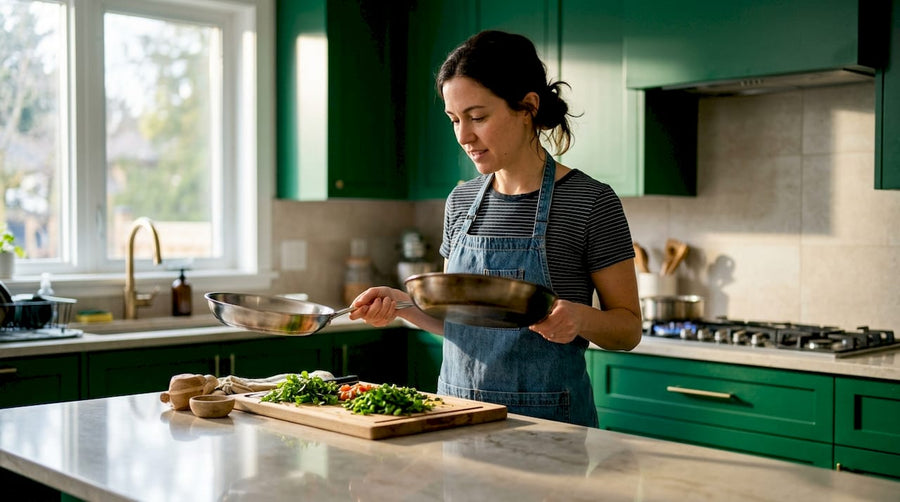
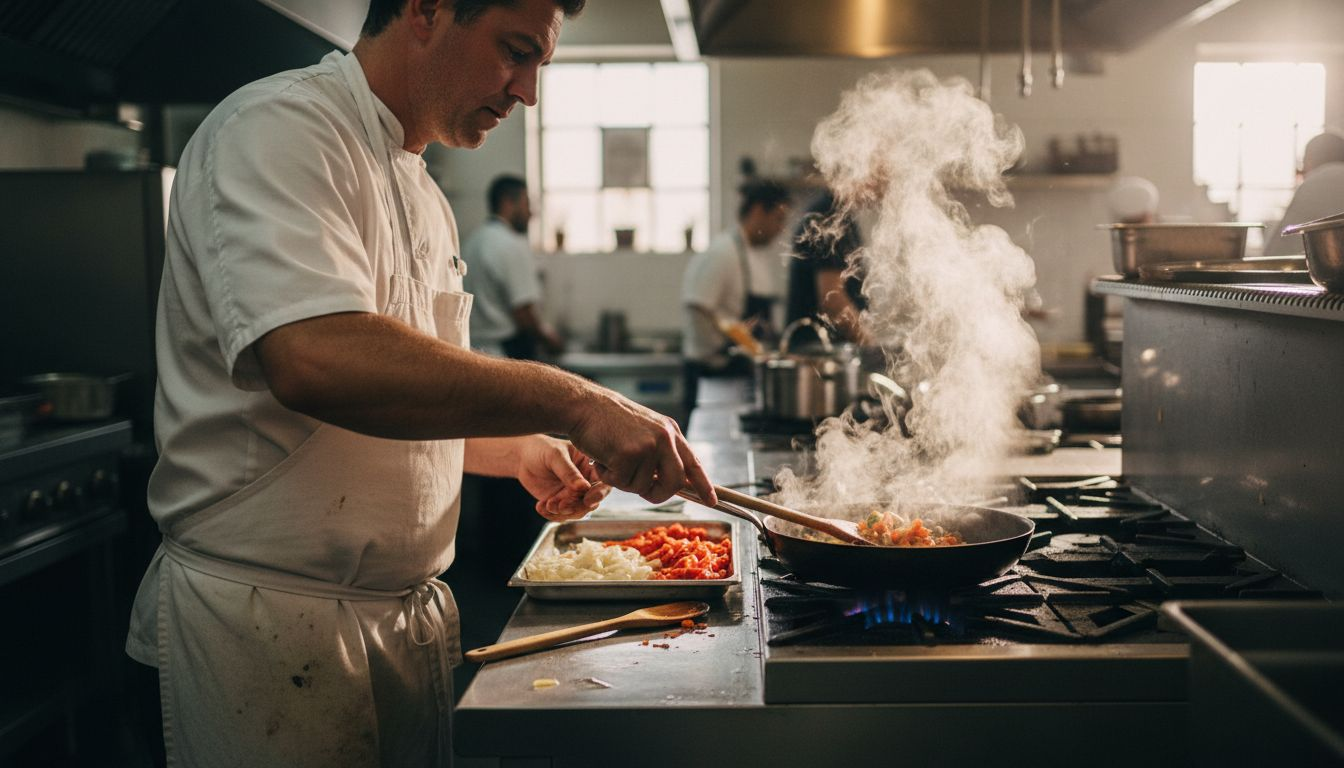
The sauté pan represents an incredibly versatile cooking tool designed for multiple culinary techniques. At its core, sautéing involves cooking food quickly over high heat with minimal fat, allowing ingredients to brown while retaining their inherent moisture and flavour. Professional chefs and home cooks alike appreciate the pan’s ability to handle a wide range of cooking methods beyond traditional sautéing.
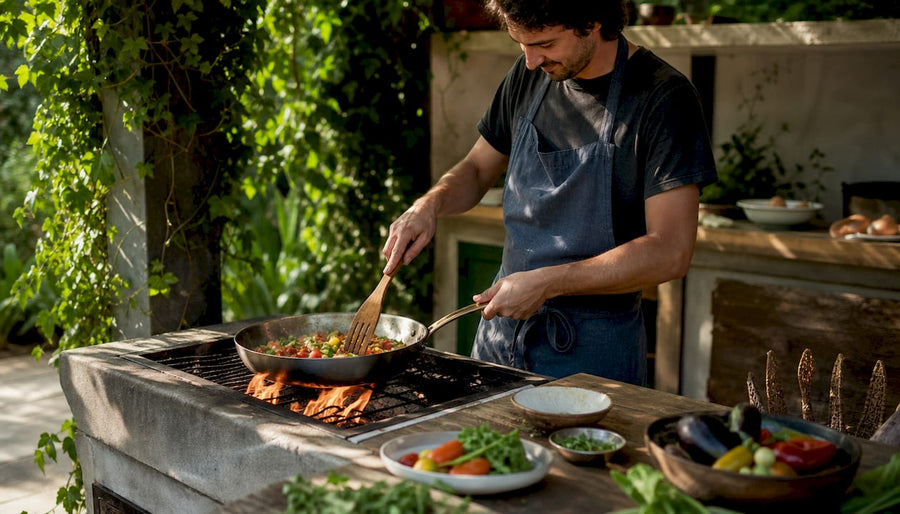
These pans excel at preparing diverse dishes across multiple cuisines. They are particularly effective for cooking vegetables, searing meats, preparing pan sauces, and creating one-pot meals. The wide, flat base provides maximum surface contact with heat, enabling efficient browning of ingredients. Straight sides help contain liquids during more complex cooking techniques like braising, reducing, and creating pan sauces, making the sauté pan a true multitasking kitchen essential.
Key cooking applications include rapid vegetable preparation, protein searing, sauce creation, and slow simmering. Risottos, stir-fries, delicate fish fillets, and caramelised meat dishes all benefit from the sauté pan’s unique design. The pan’s construction allows for even heat distribution, ensuring ingredients cook uniformly without burning, while the lid option enables moisture retention for more complex cooking techniques.
Pro tip: Cut ingredients into uniform sizes when using a sauté pan to ensure consistent cooking and optimal browning results.
Key Features: Why Carbon Steel Excels
Carbon steel sauté pans represent a pinnacle of culinary engineering, offering exceptional performance that distinguishes them from other cookware materials. Carbon steel combines remarkable properties including extraordinary strength, superior heat conductivity, and remarkable durability that professional chefs consistently appreciate. These pans deliver an unparalleled cooking experience through their unique metallurgical characteristics.
The material’s most distinctive feature is its ability to develop a natural non-stick patina over time, which enhances cooking performance and flavour development. Unlike traditional non-stick surfaces that degrade, carbon steel’s seasoning actually improves with repeated use. The pan’s rapid heat responsiveness allows for precise temperature control, enabling chefs to execute delicate cooking techniques with exceptional accuracy. Temperatures change quickly, giving cooks unprecedented control over their culinary creations.
Professional kitchens favour carbon steel for its lightweight design compared to cast iron, while maintaining excellent heat retention and distribution. The pan’s construction allows for seamless transitions between stovetop and oven, making it incredibly versatile. Its natural seasoning process creates a protective layer that prevents rust, enhances non-stick properties, and contributes additional depth of flavour to cooked ingredients. This unique characteristic sets carbon steel apart from other cookware materials.
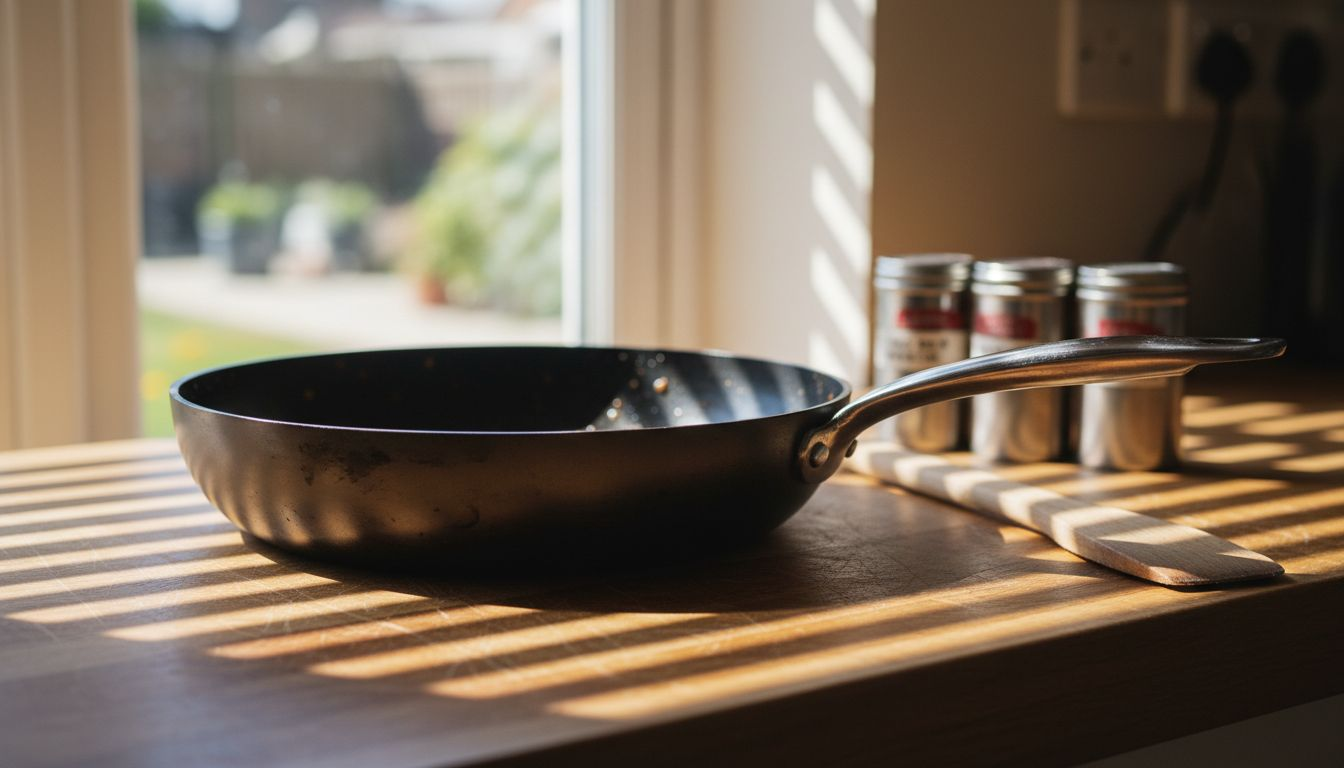
Pro tip: Maintain your carbon steel sauté pan’s performance by regularly seasoning and avoiding harsh detergents that could strip its protective patina.
Sauté Pans Versus Frying and Other Pans
Frying pans and sauté pans are often confused, but they serve distinctly different culinary purposes. Frying pans have fundamental design differences that set them apart from versatile sauté pans, making each uniquely suited to specific cooking techniques. The primary distinctions lie in their shape, depth, and functional capabilities.
The key differences become apparent in their structural design. Frying pans typically feature low, flared sides that facilitate easy food flipping and rapid moisture evaporation. Sauté pans, by contrast, boast higher, straighter sides that prevent ingredient spillage and enable more complex cooking methods like simmering and sauce reduction. This structural variation allows sauté pans to handle a broader range of cooking techniques, from quick high-heat searing to slower, moisture-rich preparations.
When comparing cooking techniques, the distinctions become even more pronounced. Sautéing requires minimal fat and smaller, uniformly cut ingredients, whereas pan frying involves more oil and larger food pieces. The sauté pan’s wide flat base and vertical sides create an ideal environment for tossing and moving ingredients, while providing superior heat distribution and control. Professional chefs appreciate the sauté pan’s versatility, using it for everything from vegetable preparations to delicate protein dishes that demand precise temperature management.
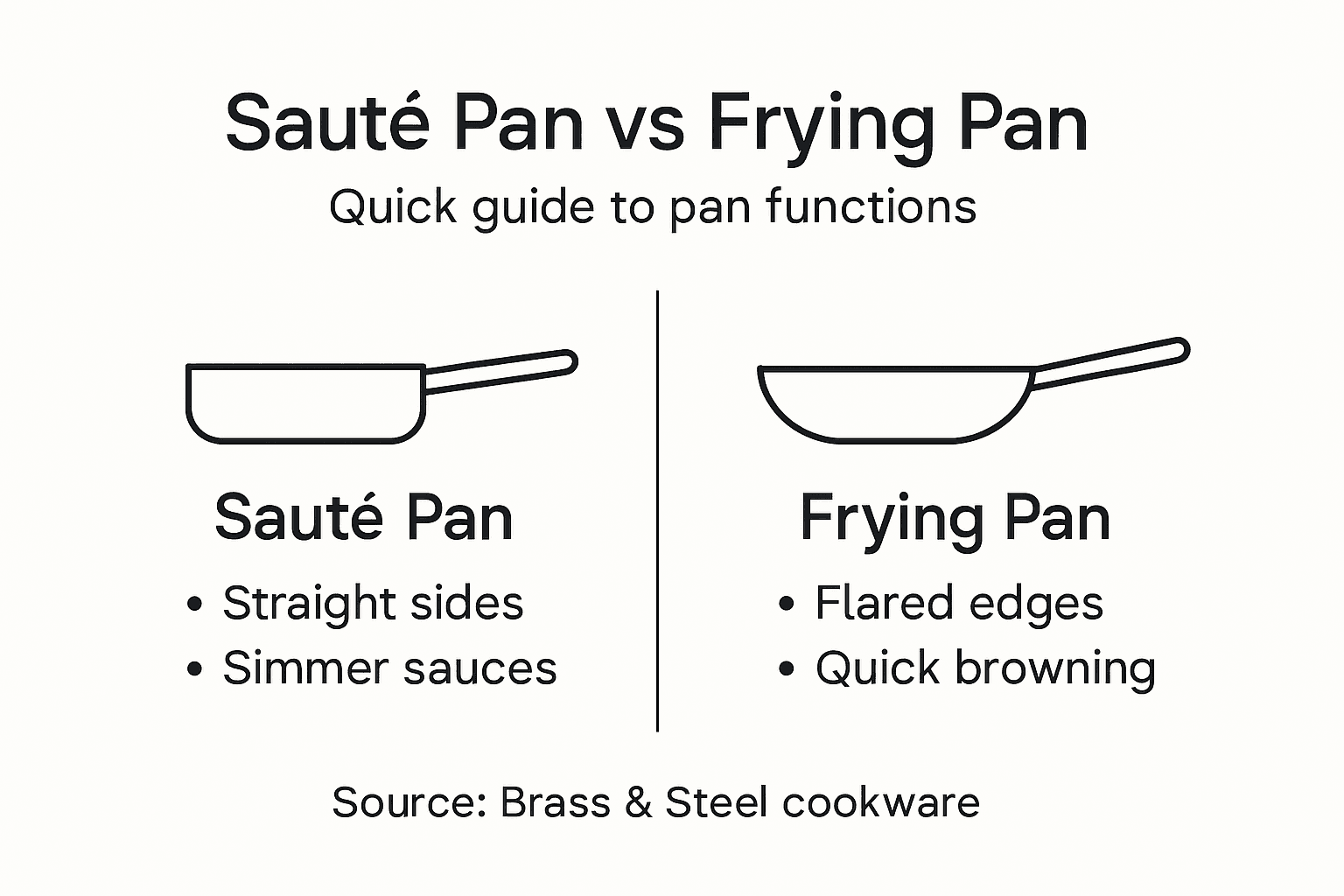
Here’s a concise summary of essential differences between sauté pans and frying pans:
| Characteristic | Sauté Pan | Frying Pan |
|---|---|---|
| Side Design | Tall, straight sides | Low, flared sides |
| Cooking Versatility | Suited for sauces, braising, searing | Optimised for frying, flipping |
| Surface Area | Wide, flat base for more capacity | Broad but shallower for quick heat |
| Liquid Management | Prevents spills, retains moisture | Promotes evaporation, less spillage |
Pro tip: Choose your pan based on the specific cooking technique you plan to execute, understanding that a sauté pan offers more versatility compared to a traditional frying pan.
Avoiding Common Mistakes and Maintenance Tips
Carbon steel sauté pans require meticulous care to maintain their exceptional cooking performance. Proper maintenance prevents damage and extends lifespan, with several critical practices distinguishing between careful preservation and potential pan destruction. Understanding these nuanced techniques ensures your cookware remains in pristine condition for years.
The most frequent errors home cooks make involve inappropriate cleaning and storage methods. Harsh detergents can strip away the carefully developed seasoning, while leaving the pan wet invites rapid rust formation. Professional chefs recommend gentle cleaning with warm water, avoiding soap whenever possible, and immediately drying the pan after use. Thermal shock represents another significant risk – sudden temperature changes can warp the pan’s structure, compromising its heat distribution capabilities and potentially creating permanent damage.
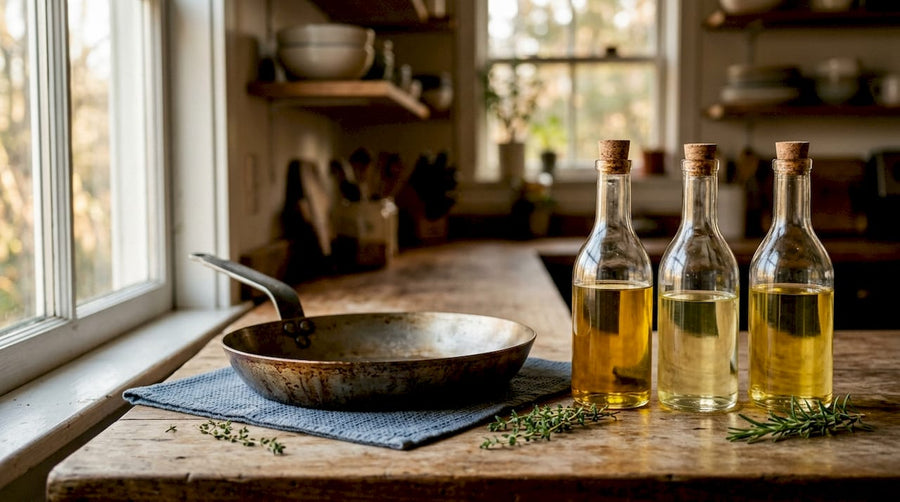
Seasoning represents the cornerstone of carbon steel pan maintenance. This process involves creating a protective, non-stick layer through careful oil application and heat treatment. Avoid cooking highly acidic foods for extended periods, as these can break down the seasoning and expose the pan’s bare metal surface. When cooking, use moderate heat and avoid overcrowding ingredients, which can lead to steaming instead of proper sautéing. Regular, light oiling after cleaning helps maintain the pan’s protective surface and prevents rust formation.
To help you keep your carbon steel sauté pan in top condition, refer to this maintenance guide:
| Issue | Prevention Strategy | Negative Impact |
|---|---|---|
| Rust Formation | Dry immediately after use | Affects longevity and safety |
| Seasoning Loss | Avoid harsh detergents | Reduces non-stick quality |
| Warping | Prevent thermal shocks | Distorts heating patterns |
| Acid Damage | Limit acidic foods exposure | Breaks down seasoning |
Pro tip: Always heat your sauté pan gradually and dry it completely after washing to prevent rust and maintain its exceptional cooking performance.
Discover the Ultimate Carbon Steel Sauté Pan for Every Kitchen
Choosing the right sauté pan can seem challenging when searching for durability, precise heat control, and effortless food release. This article highlights key features of sauté pans like high straight sides, quick heat responsiveness, and natural seasoning maintenance—essential elements that serious cooks need for perfect browning and versatile cooking techniques.
Experience all these benefits and more with Brass & Steel’s premium selection. Our Carbon Steel Collection features pans forged from a single piece of carbon steel to ensure unmatched strength and seamless cooking performance. These pans develop a natural nonstick patina as you cook, offering a healthier, PTFE-free alternative that works perfectly on all cooktops including induction.
Don’t settle for less when your everyday cooking demands professional quality. Visit Brass & Steel today and equip your kitchen with heirloom-quality cookware designed to elevate your culinary skills. Explore our Carbon Steel Sauté Pans now and invest in craftmanship that keeps giving back with every meal.
Frequently Asked Questions
What is a sauté pan used for?
A sauté pan is versatile and can be used for various cooking techniques, including sautéing vegetables, searing meats, making pan sauces, and preparing one-pot meals. Its wide base and straight sides enhance cooking performance for multiple dishes.
How does a sauté pan differ from a frying pan?
The primary differences lie in their design and cooking capabilities. Sauté pans have tall, straight sides ideal for simmering and reducing sauces, while frying pans have low, flared sides that facilitate flipping and allow for quicker evaporation of moisture.
Why is carbon steel preferred for sauté pans?
Carbon steel is valued for its excellent heat conductivity, durability, and ability to develop a natural non-stick patina with use. It offers precise temperature control and is lightweight compared to cast iron, making it a favourite among professional chefs.
What maintenance do carbon steel sauté pans require?
Proper maintenance includes gentle cleaning with warm water, avoiding harsh detergents, and ensuring the pan is dried immediately after use. Regular seasoning helps maintain its non-stick properties and prevents rust, ensuring longevity and optimal cooking performance.
Recommended
- What Is a Sauté Pan? Complete Breakdown for Cooks – Brass & Steel
- 7 Types of Sauté Pans Every Cook Should Know – Brass & Steel
- Complete Guide to What Makes a Good Sauté Pan – Brass & Steel
- Understanding the Difference Between Sauté and Fry Pan – Brass & Steel
- Restaurante de brasa: sabor, aroma y experiencia única