Best Carbon Steel Pan for Steak – Achieve the Perfect Sear
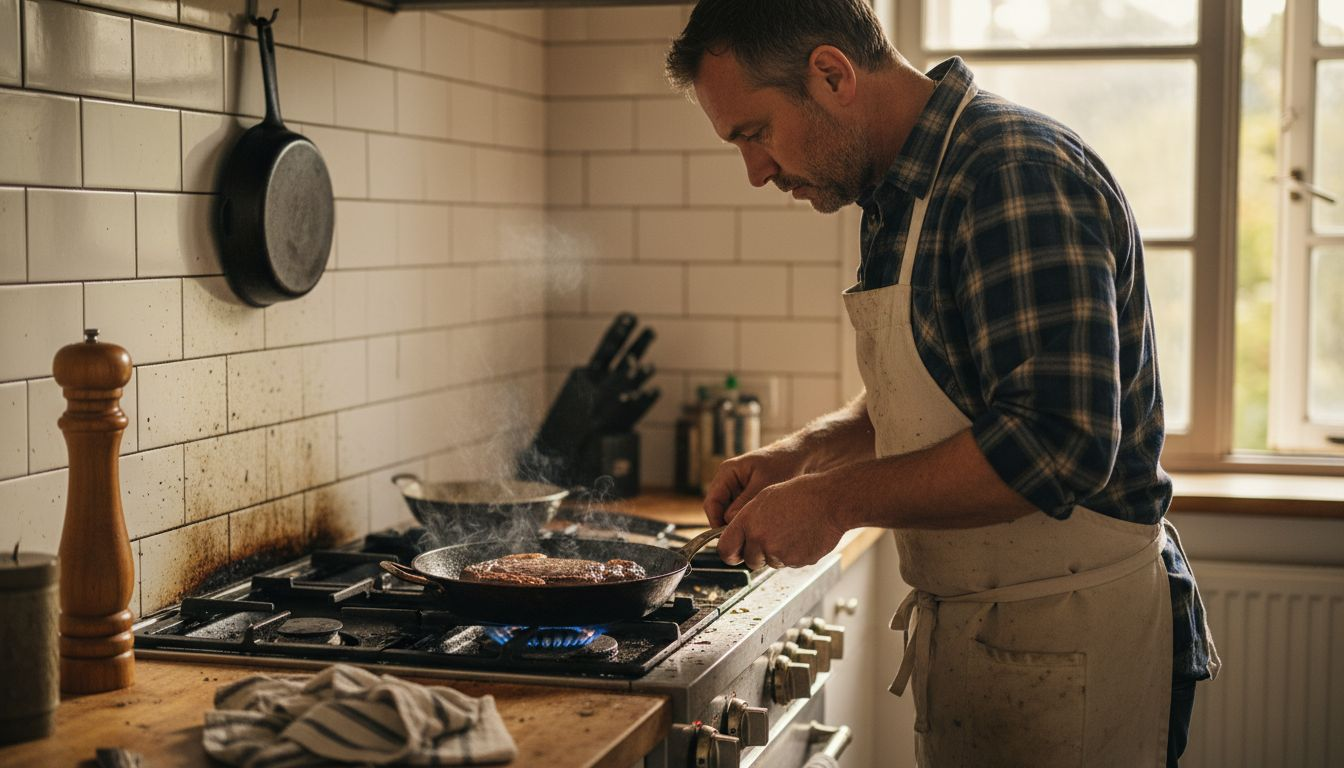
Most British home cooks know the secret to an unforgettable steak lies in the pan you choose. The difference between a bland dinner and a restaurant-worthy feast starts with material and construction. With over 80 percent of European chefs preferring carbon steel for its superior heat retention, finding a durable, non-toxic option becomes essential. This guide reveals what sets top-tier steak pans apart and helps you select cookware that transforms ordinary cuts into remarkable meals.
Table of Contents
- What Makes A Great Steak Pan
- Carbon Steel, Cast Iron And Stainless Compared
- Key Features Of Carbon Steel Pans
- Searing Technique And Performance
- Common Pitfalls And Care Requirements
Key Takeaways
| Point | Details |
|---|---|
| Choose the Right Material | Carbon steel and cast iron are ideal for steak cooking due to their heat retention and searing capabilities. |
| Season Your Pan | Proper seasoning enhances the non-stick properties of carbon steel, improving flavour and preventing sticking. |
| Understand Searing Techniques | Successful searing involves preheating, selecting appropriate oils, and allowing the steak to rest before cooking. |
| Maintain Your Cookware | Carbon steel pans require careful cleaning and storage to preserve their seasoning and longevity. |
What Makes a Great Steak Pan
Choosing the right pan for cooking steak is crucial for achieving restaurant-quality results at home. A great steak pan must possess specific characteristics that enable precise heat management and exceptional searing performance. Heat retention and distribution are fundamental qualities that transform an ordinary cooking surface into a stellar steak preparation tool.
Carbon steel and cast iron emerge as top contenders for steak cooking, each offering unique advantages. These materials excel at maintaining consistently high temperatures necessary for developing that coveted golden-brown crust. Their dense composition allows them to absorb and distribute heat evenly, preventing undesirable hot spots that could lead to inconsistent cooking. The surface texture also plays a critical role, with slightly rough surfaces enabling better protein adhesion during the initial searing stage.
Key characteristics of an exceptional steak pan include:
- Minimum 3mm thickness for optimal heat retention
- Seamless construction to prevent food trapping
- Ability to withstand high temperatures (250-300 degrees Celsius)
- Rapid heat responsiveness
- Natural nonstick properties developed through proper seasoning
Pro tip: Season your carbon steel pan thoroughly before cooking steak to create a natural nonstick surface that enhances flavour and prevents sticking.
For best results, consider these pan features and their cooking implications:
| Feature | Influence on Cooking | Why It Matters |
|---|---|---|
| Minimum 3mm thickness | Even heat retention | Prevents burning or hot spots |
| Slightly rough surface | Improved crust formation | Better meat adhesion |
| Oven-safe construction | Greater recipe flexibility | Allows finishing in oven |
Carbon Steel, Cast Iron and Stainless Compared
When selecting the ideal pan for cooking steak, understanding the unique characteristics of carbon steel, cast iron, and stainless steel becomes crucial for achieving exceptional culinary results. Each material brings distinctive properties that significantly impact cooking performance, heat management, and overall steak preparation.
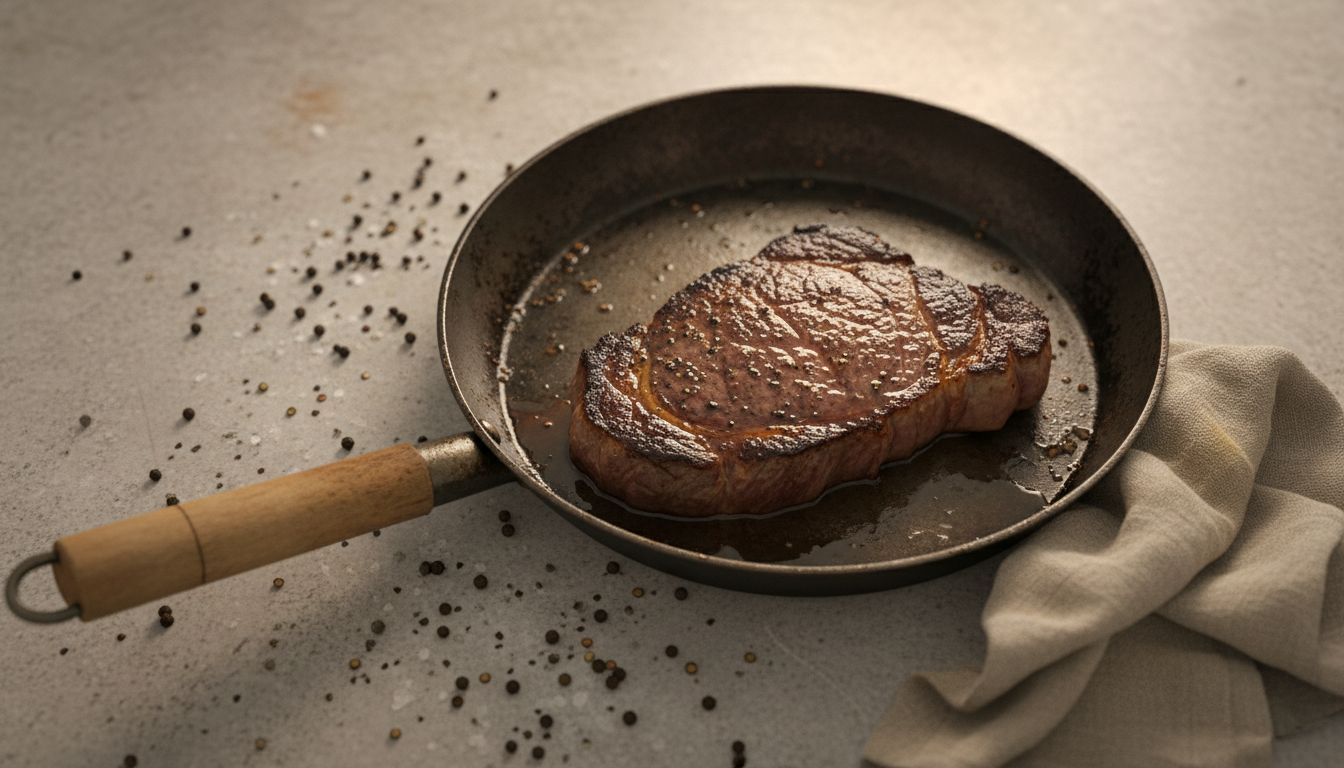
Carbon steel represents an exceptional hybrid option, offering remarkable versatility. It combines the best attributes of cast iron and stainless steel, providing rapid heat responsiveness and developing a natural non-stick surface through seasoning. Unlike cast iron’s substantial weight, carbon steel pans are lighter and more manoeuvrable, making them ideal for home chefs seeking professional-level searing capabilities.
Stainless steel pans present a different approach to steak cooking. They excel in durability and corrosion resistance but require more precise technique to prevent sticking. Cast iron, in contrast, remains the traditional heavyweight champion of heat retention, capable of maintaining extremely high temperatures that create perfect steak crusts. However, its significant weight and maintenance requirements can be challenging for some cooks.
Key comparative features of these materials include:
-
Carbon Steel
- Lightweight and responsive
- Quick heat distribution
- Natural non-stick surface when seasoned
-
Cast Iron
- Exceptional heat retention
- Heavy and robust
- Requires extensive maintenance
-
Stainless Steel
- Highly durable
- Easy to clean
- Less effective heat distribution
Pro tip: Rotate between different pan materials to understand their unique cooking characteristics and develop versatile cooking skills.
Here’s a quick comparison of pan materials and their impact on steak preparation:
| Material Type | Steak Searing Quality | Maintenance Needs | Manoeuvrability |
|---|---|---|---|
| Carbon steel | Excellent heat control | Moderate seasoning effort | Lightweight, easy to handle |
| Cast iron | Superior crust formation | High maintenance | Very heavy, hard to lift |
| Stainless steel | Variable, needs technique | Minimal upkeep | Easy to lift and clean |
Key Features of Carbon Steel Pans
Carbon steel pans represent a sophisticated cooking solution that combines exceptional performance with remarkable versatility. Carbon steel’s unique material properties make it an outstanding choice for serious home cooks and professional chefs seeking precision cooking equipment. These pans excel in heat management, offering rapid temperature responsiveness and remarkable heat retention that transforms ordinary cooking into a culinary art.
The fundamental characteristics of carbon steel pans include extraordinary heat conductivity and exceptional durability. Unlike other cookware materials, carbon steel develops a natural non-stick surface through a process called seasoning, where oils polymerise and create a protective layer that improves with each use. This unique characteristic means the pan actually becomes more non-stick and performs better over time, a property that sets carbon steel apart from traditional non-stick cookware.
Engineering and performance converge in carbon steel pan design, with key features that make them superior cooking instruments:
- Rapid Heat Conduction: Heats quickly and evenly across the entire surface
- Temperature Responsiveness: Adjusts instantly to cooking temperature changes
- Natural Non-Stick Surface: Develops protective seasoning layer with use
- Versatility: Suitable for stovetop, oven, and open flame cooking
- Durability: Capable of lasting generations with proper maintenance
Carbon steel pans require some initial care and understanding, but their performance potential far outweighs the modest learning curve. Proper seasoning transforms these pans from basic cookware into precision cooking instruments that can handle everything from delicate fish to robust steaks with equal mastery.
Pro tip: Invest time in properly seasoning your carbon steel pan, as this initial effort will create a cooking surface that improves dramatically with each use.
Searing Technique and Performance
Achieving the perfect steak sear requires understanding the complex science behind heat transfer and protein caramelisation. Professional chefs know that searing is more than simply applying heat to meat; it is an intricate dance of temperature, timing, and technique that transforms an ordinary cut into a culinary masterpiece.
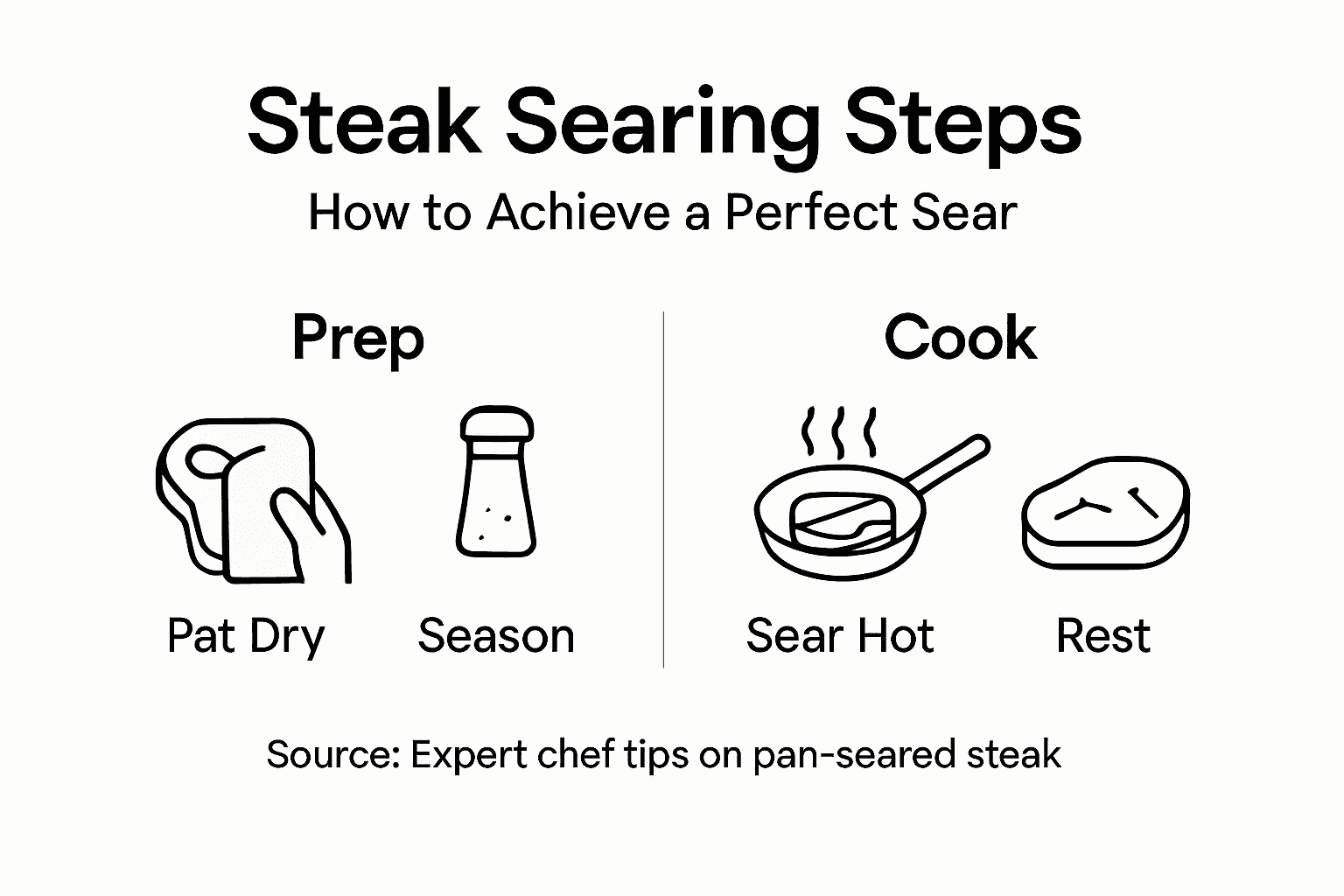
The Maillard reaction sits at the heart of exceptional searing, creating those rich, golden-brown crusts that signify exceptional cooking. This chemical process occurs when proteins and sugars interact at high temperatures, producing complex flavour compounds that elevate the entire eating experience. Carbon steel pans excel in this process due to their remarkable heat conductivity and ability to maintain consistent temperatures, allowing for precise control during the critical searing moment.
Successful searing technique involves several key principles:
- Preheating: Ensure pan reaches optimal temperature (around 220-250 degrees Celsius)
- Oil Selection: Use oils with high smoke points like avocado or grapeseed
- Meat Preparation: Pat steak dry to remove moisture, enabling better crust formation
- Minimal Movement: Place steak and allow undisturbed contact for 2-3 minutes
- Temperature Recovery: Use a pan that quickly regains heat after meat introduction
Timing and temperature control separate mediocre cooking from exceptional results. A carbon steel pan’s rapid heat responsiveness allows instantaneous adjustments, preventing overcooking while maintaining that perfect external caramelisation.
Pro tip: Let your steak rest at room temperature for 30 minutes before cooking to ensure more even heat distribution and consistent searing.
Common Pitfalls and Care Requirements
Carbon steel pans demand meticulous care to maintain their exceptional performance, and understanding potential maintenance challenges is crucial for longevity. Novice cooks often underestimate the complexity of preserving these remarkable cooking tools, which require a nuanced approach to cleaning, seasoning, and storage.
The most frequent pitfalls arise from improper cleaning and storage techniques. Using soap, scrubbing aggressively, or leaving moisture on the surface can rapidly degrade the pan’s carefully developed seasoning layer. Acidic ingredients like tomatoes or wine can strip away seasoning if used before the pan is properly established, while metal utensils can scratch the delicate surface, compromising its non-stick properties.
Critical care requirements for carbon steel pans include:
- Immediate Drying: Wipe pan completely after washing
- Careful Cleaning: Use soft cloths, avoid abrasive scrubbers
- Light Oil Coating: Apply thin layer after each use
- Proper Storage: Hang or store in dry environment
- Temperature Management: Avoid sudden extreme temperature changes
- Seasoning Maintenance: Regularly restore seasoning layer
Proactive maintenance prevents common issues like rust formation and surface degradation. Understanding that a carbon steel pan improves with proper care transforms it from a mere cooking tool into a cherished kitchen companion that can last generations.
Pro tip: Store your carbon steel pan with a light coating of oil and a paper towel to absorb moisture and prevent rust formation.
Elevate Your Steak Cooking with Premium Carbon Steel Pans
Achieving the perfect sear requires not only technique but the right tools that combine heat retention, responsiveness and a natural nonstick surface. If you are ready to master the art of steak searing using a pan engineered for durability and culinary precision, explore our Carbon Steel Collection | Brass&Steel. Each pan is forged from a single piece of high-quality carbon steel designed to deliver consistent heat distribution and develop a rich seasoning layer over time for enhanced flavour and effortless food release.
Discover how upgrading to a professional-grade, induction-compatible pan can transform your cooking experience. Visit https://brass-steel.com today to find your perfect 27 cm or 30 cm carbon steel sauté pan. Start creating restaurant-quality steaks at home with cookware that lasts for generations.
Frequently Asked Questions
What is the best material for a steak pan?
Carbon steel is considered one of the best materials for a steak pan due to its excellent heat retention, rapid heat responsiveness, and ability to develop a natural non-stick surface through seasoning.
How do I properly season my carbon steel pan for steak?
To season your carbon steel pan, clean it thoroughly, apply a thin layer of high-smoke point oil, and heat the pan until the oil begins to smoke. This process creates a non-stick layer that improves with each use.
What thickness should a carbon steel pan be for optimal performance?
A minimum thickness of 3mm is recommended for carbon steel pans, as it ensures optimal heat retention and prevents hot spots, leading to consistent cooking results.
How do I care for my carbon steel pan after cooking steak?
After cooking, wipe the pan clean without using soap, dry it immediately to prevent rust, apply a light coating of oil, and store it in a dry environment to maintain its seasoning and performance.
Recommended
- Master the Carbon Steel Pan for Perfect Steak Searing – Brass & Steel
- How to Cook Steak in a Carbon Steel Pan: Perfect Every Time – Brass & Steel
- Mastering the Perfect Sear with a Carbon Steel Pan for Steak, Chicken – Brass & Steel
- Carbon Steel vs Cast Iron Showdown: The Best Pan for a Mighty Steak – Brass & Steel
- bell