6 Key Differences Between Forged vs Stamped Pans Explained
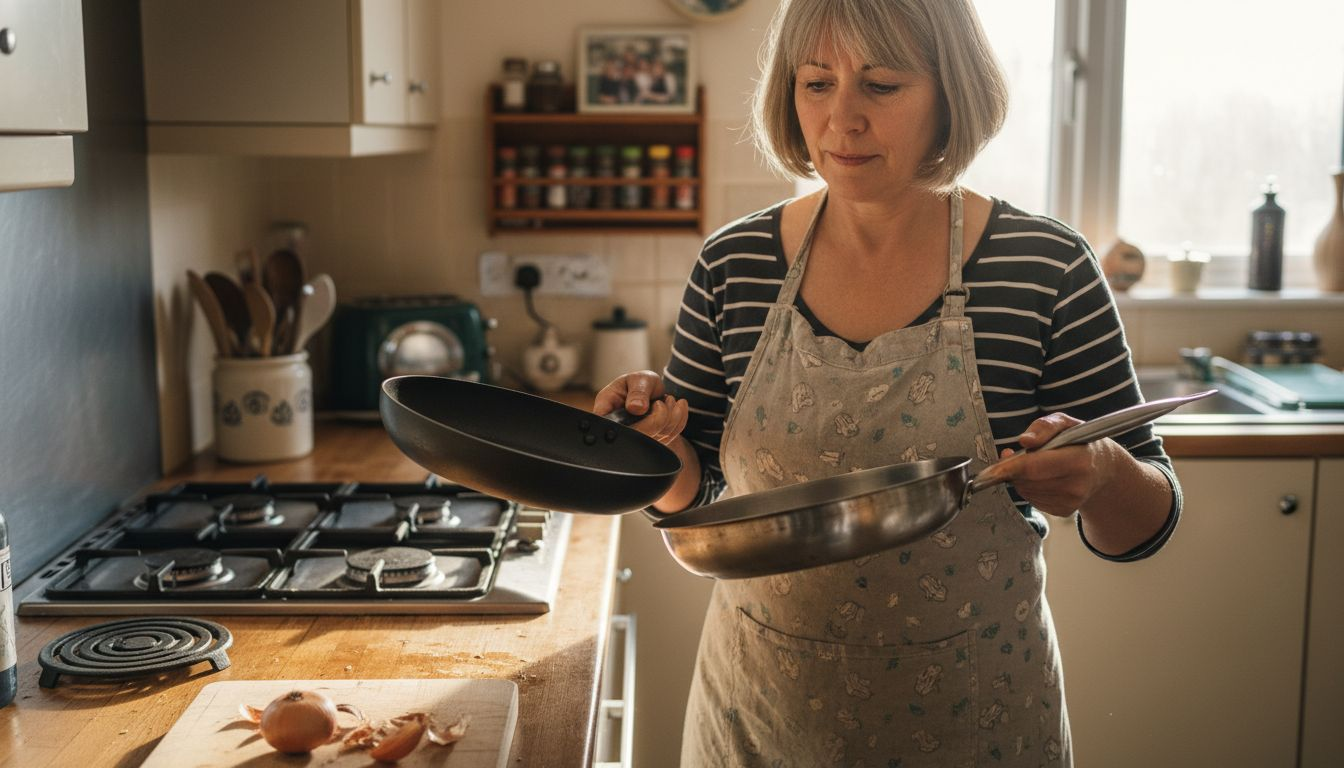
Picking new cookware can quickly get confusing when every pan claims to be the best. You might notice pans labelled as ‘forged’ or ‘stamped’, yet the true meaning and importance of these terms often remains a mystery. The right choice impacts not just how long your kitchen tools last, but how enjoyable and precise your everyday cooking can be.
This guide reveals the real differences between forged and stamped cookware using clear, practical comparisons you can use right away. You’ll learn how each construction method changes the strength, durability, heat performance, and overall feel of your pans. By the end, you’ll know exactly which type meets your needs and why serious cooks pay close attention to this detail. Get ready to uncover the facts that matter before you buy your next pan.
Table of Contents
- 1. What Does Forged Vs Stamped Mean In Cookware?
- 2. Durability And Strength: Forged Vs Stamped Pans
- 3. Heat Performance: Responsiveness And Retention Compared
- 4. Ease Of Use And Handling For Everyday Cooking
- 5. Cleaning, Maintenance, And Seasoning Tips
- 6. Choosing The Right Pan: Professional Advice For Serious Cooks
Quick Summary
| Takeaway | Explanation |
|---|---|
| 1. Forged cookware is more durable. | Forged pans last over 20 years, while stamped pans show wear in 2-3 years, making forged a better long-term investment. |
| 2. Heat performance varies significantly. | Forged pans heat evenly, preventing hot spots, unlike stamped pans that suffer from uneven heat distribution and burning issues. |
| 3. Forged cookware offers better balance. | Heavier forged pans provide control and stability during cooking, unlike lighter stamped pans that feel flimsy and require more effort to handle. |
| 4. Maintenance differs greatly between types. | Forged pans require regular seasoning but handle scrubbing well, while stamped pans need gentle care and struggle to hold seasoning. |
| 5. Professionals prefer forged for serious cooking. | Serious cooks choose forged cookware for its durability and precision, making it essential for tasks that demand high performance. |
1. What Does Forged vs Stamped Mean in Cookware?
These two terms describe fundamentally different manufacturing methods that affect everything from durability to performance in your kitchen. Understanding the distinction helps you choose cookware that truly matches your cooking style and expectations.
Forged cookware starts with solid metal that’s heated to a high temperature and then shaped through hammering or pressing. This process fundamentally changes the metal’s structure, creating a denser, stronger material that resists warping and damage over decades of use.
Stamped cookware takes a different route. Manufacturers press shapes from a sheet of metal using dies, much like cutting shapes from paper. This faster, cheaper method produces lighter cookware that feels less substantial in your hands.
The forging process creates metal that’s inherently stronger and more resistant to corrosion and scratches than stamped alternatives.
The key differences emerge quickly once you start cooking. When you understand how forged cookware is created, you’ll see why professional kitchens favour this construction method.
Here’s what sets them apart:
- Durability: Forged pans handle decades of use; stamped pans typically show wear within years
- Heat distribution: Forged construction provides superior, more even heating because of denser metal composition
- Weight and feel: Forged pans are heavier and feel more balanced; stamped pans feel flimsy by comparison
- Price point: Stamped cookware costs less upfront, but forged represents better long-term value
- Maintenance: Forged pans develop a natural seasoning that improves with time; stamped pans struggle to hold seasoning
Why does this matter for your cooking? A forged pan becomes an extension of your cooking hand over time. The weight feels controlled rather than burdensome, the heat responds instantly to your adjustments, and the surface develops character through use.
Stamped pans, whilst functional for basic cooking, never achieve this relationship with the cook. They remain tools rather than becoming companions in your kitchen.
Pro tip: If you’re switching from stamped to forged cookware, expect a slightly heavier feel at first, but your wrist will thank you as the superior balance reduces fatigue during long cooking sessions.
2. Durability and Strength: Forged vs Stamped Pans
When you invest in cookware, you’re hoping it lasts for years, ideally decades. The difference in durability between forged and stamped pans comes down to how the metal is structured at a microscopic level.
Forged pans start with solid metal that’s heated and shaped through hammering or pressing. This process aligns and strengthens the metal’s grain structure, eliminating internal voids that weaken material. The result is a dense, non-porous structure that resists wear, dents, and deformation far better than alternatives.
Stamped pans take metal sheets and press them into shape using dies. This faster manufacturing method creates cookware with inconsistent thickness and weak spots throughout the pan. These thinner, less dense materials bend and warp more easily under heavy use.
Forged pans have a fundamentally stronger microstructure that makes them resistant to damage, whilst stamped pans are prone to bending and warping due to their thinner construction.
Think about what happens when you cook real food. You’re applying heat unevenly. You’re scraping with metal utensils. You’re moving heavy pots across hot burners. A stamped pan gradually warps under these conditions. A forged pan handles this punishment without complaint.
The advantages of forged pans for professional chefs include superior durability that makes them ideal for high-volume kitchens where cookware gets genuine use.
Here’s what the durability difference means for your cooking:
- Stamped pans: Show visible wear within 2-3 years; warping occurs from thermal stress
- Forged pans: Last 20+ years with proper care; maintain flat cooking surfaces indefinitely
- Impact resistance: Forged pans survive drops and bumps; stamped pans dent easily
- Heat cycling: Forged construction handles repeated heating and cooling without damage
- Seasoning retention: Forged surfaces hold seasoning better because of their uniform density
- Metal fatigue: Stamped pans develop stress fractures; forged pans remain structurally sound
If you cook regularly, this difference compounds. Year one, both pans work fine. Year five, your stamped pan sits warped and unused whilst your forged pan performs identically to when it was new.
Pro tip: When testing pan durability in a shop, run your finger across the cooking surface and underneath the pan to feel for inconsistencies, which indicate stamped construction prone to warping over time.
3. Heat Performance: Responsiveness and Retention Compared
Heat performance separates good cookware from great cookware. The way a pan heats up and distributes that heat directly affects whether your food cooks evenly or develops hot spots that burn whilst other areas remain undercooked.
Forged pans offer superior heat conduction because their dense grain structure and uniform thickness allow heat to travel consistently across the entire cooking surface. When you turn up the burner, a forged pan responds immediately and distributes that heat evenly from edge to edge.
Stamped pans suffer from inconsistent thickness created during the stamping process. This means heat travels unevenly across the surface, creating hot spots where food burns and cool zones where it cooks slowly. The thinner material also loses heat faster, reducing your ability to maintain consistent cooking temperatures.
Forged aluminium pans heat evenly and quickly due to their dense construction, whilst stamped pans develop hot spots and lose heat faster due to inconsistent thickness.
Consider what this means for your everyday cooking. You’re searing a steak. A stamped pan creates uneven browning because the heat isn’t uniform. A forged pan sears the entire surface simultaneously. You’re making a delicate sauce. A stamped pan develops scorched spots where the heat concentrates. A forged pan maintains steady, controllable temperature.
The heat conduction properties in forged cookware make a noticeable difference after just a few uses. You’ll feel the responsiveness immediately when you adjust burner heat.
Here’s what the heat performance difference means in practice:
- Heat distribution: Forged pans heat uniformly; stamped pans develop hot spots
- Response time: Forged pans adjust quickly to temperature changes; stamped pans lag
- Temperature control: Forged pans let you maintain precise cooking temperatures
- Browning consistency: Forged pans create even browning; stamped pans burn in patches
- Heat retention: Forged pans hold heat longer between burner adjustments
- Cooking precision: Forged pans work better for temperature-sensitive dishes like fish or delicate sauces
This becomes especially important when you’re cooking professionally or preparing dishes that demand precision. Home cooks often tolerate uneven heat. Serious cooks notice immediately and avoid stamped cookware for this reason.
Pro tip: Test heat distribution by melting butter across a cold pan over medium heat; even melting indicates good heat conduction, whilst pools of liquid butter reveal problem hot spots.
4. Ease of Use and Handling for Everyday Cooking
How a pan feels in your hand matters more than most cooks realise. The weight, balance, and overall handling characteristics determine whether you enjoy cooking or finish the evening with a sore wrist.
Forged pans are heavier and have superior balance because of their construction from solid metal. This weight, whilst initially noticeable, translates into control and precision during everyday cooking tasks. You’re not fighting the pan, you’re commanding it. The heft gives you confidence when searing meat or tossing vegetables.
Stamped pans are lighter, which might seem convenient. However, this lightness comes from thinner metal that feels less substantial in hand. Many cooks find stamped pans feel flimsy rather than responsive, lacking the solid presence that comes with quality forged cookware.
Forged pans offer better balance and control through their substantial weight, whilst stamped pans are lighter but feel less solid and confident in hand.
The difference becomes apparent during practical cooking. When you’re working a busy dinner service or preparing a meal for guests, pan control matters. A well balanced forged pan responds to your movements naturally. A lighter stamped pan requires more attention and effort to position correctly.
Weight preference varies by cook, but most professionals prefer the confidence that comes from handling forged cookware with its substantial construction. Lighter pans suit quick tasks, but serious cooking demands the control that heavier, better balanced tools provide.
Consider your typical cooking day:
- Searing steaks: Forged pans stay steady; stamped pans require constant adjustment
- Sautéing vegetables: Forged pans toss effortlessly; stamped pans feel unstable
- Deglazing: Forged pans sit firmly on the burner; stamped pans shift easily
- Holding temperature: Forged pans maintain position; stamped pans move on heat waves
- Fatigue factor: Forged pans feel lighter through superior design; stamped pans tire your wrist
- Control and precision: Forged pans respond to subtle movements; stamped pans need heavy handling
Forged cookware transforms your relationship with cooking. The pan becomes an extension of your technique rather than something fighting against you.
Pro tip: Spend a few cooking sessions consciously noticing how your pan responds to your movements, and you’ll quickly recognise whether you prefer the control of forged construction or the lightness of stamped alternatives.
5. Cleaning, Maintenance, and Seasoning Tips
Forged and stamped pans require fundamentally different care approaches. Understanding these differences protects your investment and keeps your cookware performing at its best for years to come.
Forged pans, due to their robust construction, are more scratch resistant and require less delicate handling during cleaning. You can use firm scrubbing without worrying about damaging the surface. However, forged carbon steel pans need regular seasoning to maintain their natural nonstick surface and prevent rust development.
Stamped pans demand gentler treatment because their thinner materials are prone to warping or denting if handled roughly. Aggressive scrubbing can damage the finish. Additionally, stamped pans struggle to develop and hold seasoning because their inconsistent thickness prevents even heat distribution during the seasoning process.
Forged pans tolerate aggressive cleaning and benefit from regular seasoning, whilst stamped pans need gentle care and rarely develop effective seasoning layers.
The maintenance difference extends beyond just cleaning. Forged carbon steel pans reward consistent seasoning with a naturally nonstick surface that improves over time. Each cooking session adds layers to your seasoning. Stamped pans never achieve this relationship with food because their surface characteristics don’t support seasoning development effectively.
Understanding how to season carbon steel pans properly makes the difference between a pan that improves with use and one that deteriorates.
Here’s what your maintenance routine should look like:
For forged pans
- Wash with warm soapy water after each use
- Dry immediately and thoroughly
- Apply a thin layer of oil whilst still warm
- Use firm scrubbing when needed without fear of damage
- Re-season monthly or when the surface looks dull
- Store in a dry location away from moisture
For stamped pans
- Clean gently to avoid warping
- Avoid thermal shock from hot to cold water
- Dry immediately to prevent rust spots
- Handle with care during storage
- Seasoning efforts yield minimal results
- Monitor for warping that indicates structural compromise
Forged pans actually become easier to maintain over time as seasoning builds. Stamped pans require constant vigilance against warping and rust without the benefit of improving seasoning.
Pro tip: Season your forged carbon steel pan immediately after cooking whilst it’s still warm, allowing the oil to penetrate and bond more effectively than seasoning a cold pan.
6. Choosing the Right Pan: Professional Advice for Serious Cooks
If you’re a serious cook, your pan choice directly impacts your cooking results. This is where the forged versus stamped decision becomes genuinely important, not just a nice-to-have preference.
Professional cooks overwhelmingly prefer forged cookware for one simple reason: it delivers when it matters. Under the pressure of real cooking, forged pans offer superior durability, exceptional heat performance, and the balance that enables precision. These aren’t luxuries, they’re necessities when you’re cooking at a level where technique matters.
Stamped pans suit budget-conscious home cooks or those just starting out. They’re affordable and functional for basic tasks. However, serious cooks quickly outgrow stamped cookware because it doesn’t support the level of control and consistency that develops your skills.
Professional cooks invest in forged pans for superior durability, heat performance, and balance that support precision cooking and long-term reliability.
Think about what you actually demand from your cookware. You’re searing proteins at high heat and expecting consistent browning. You’re making delicate sauces that require precise temperature control. You’re cooking frequently, pushing your pan hard, and expecting it to respond perfectly every single time.
Forged cookware handles these demands because it was engineered for professional kitchens. When you choose carbon steel pan construction for serious cooking, you’re choosing equipment that improves with use rather than degrading.
Here’s the professional evaluation framework:
Choose forged if you
- Cook regularly and seriously
- Demand consistent results every time
- Want cookware that lasts decades
- Prefer equipment that improves with use
- Value precision and technique
- Cook with high heat frequently
Consider stamped only if you
- Are just beginning to cook
- Have severe budget constraints
- Cook occasionally and casually
- Don’t care about long-term durability
- Accept performance limitations
- Plan to replace cookware regularly
The financial calculation matters too. A quality forged pan costs more upfront but costs less per year of use because it lasts so much longer. A stamped pan saves money initially but requires replacement within years, making the true cost significantly higher.
Professional kitchens worldwide use forged equipment because they’ve learned through experience that quality tools enable excellence. Your home kitchen deserves the same commitment to quality.
Pro tip: Before making your final choice, hold a forged pan and a stamped pan side by side and notice how the forged pan’s weight, balance, and construction quality immediately communicate its superiority to your hand.
Below is a comprehensive table summarising the key differences between forged and stamped cookware, highlighting aspects of durability, heat performance and maintenance as discussed in the article.
| Feature | Forged Cookware | Stamped Cookware |
|---|---|---|
| Manufacturing | Shaped from solid, heated metal, creating dense and strong material | Pressed from sheets of metal, producing lighter and thinner products |
| Durability | Resistant to wear, warping and damage; lasts decades | Shows wear within years; prone to warping and dents |
| Heat Distribution | Uniform and even heating, quick adjustments | Inconsistent heating, prone to hot spots |
| Weight & Feel | Heavier, well-balanced for precision control | Lighter, but often feels flimsy and less stable |
| Maintenance | Requires seasoning, tolerates aggressive cleaning | Gentle care needed, struggles to retain seasoning effectively |
| Best Use Case | Professional kitchens, frequent and precise cooking | Casual cooking, budget-friendly options |
Discover the Superior Choice in Cookware with Forged Carbon Steel
If you have felt the frustration of pans that warp, heat unevenly or lack balance, the key differences between forged and stamped pans explained in this article show why upgrading to forged carbon steel cookware is a game changer. Your cooking deserves durability that lasts decades, impeccable heat performance, and a pan that feels like a natural extension of your skill.
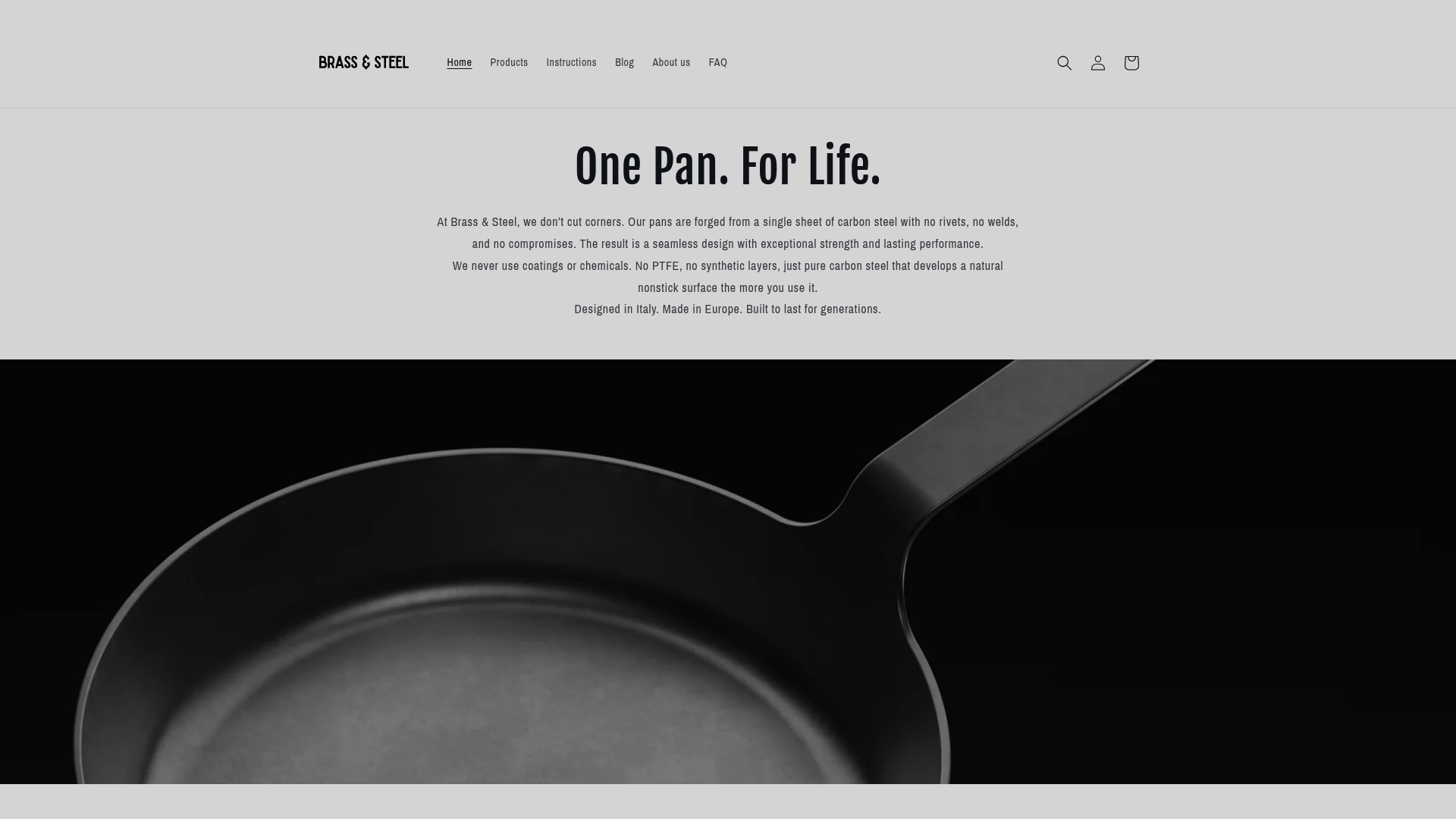
Experience the craftsmanship behind our Carbon Steel Collection | Brass&Steel where every pan is forged from a single piece of carbon steel to deliver exceptional strength and heat responsiveness. Designed in Italy and crafted in Poland, these heirloom-quality pans exceed the demands of serious cooks with no rivets to weaken structural integrity and a natural seasoning surface that improves with each use.
Why settle for stamped when you can choose lasting performance controlled by your technique? Explore the full range and take the first step toward professional-grade cookware at Brass & Steel. Upgrade your kitchen now to experience the difference that decades of durability and perfect heat distribution can make to your cooking.
Frequently Asked Questions
What is the main difference between forged and stamped pans?
Forged pans are made from solid metal that is heated and shaped, resulting in a denser and stronger material. In contrast, stamped pans are created from metal sheets pressed into shape, which tends to make them lighter and less durable.
How does the durability of forged pans compare to stamped pans?
Forged pans are significantly more durable and can last over 20 years with proper care, while stamped pans may show visible wear within 2-3 years. Opt for forged cookware if you want long-lasting kitchen tools that can withstand heavy use over time.
How do heat distribution and cooking performance differ between forged and stamped pans?
Forged pans offer superior heat distribution due to their denser construction, providing even cooking without hot spots. For better cooking results, choose a forged pan, especially for tasks that require precise temperature control, such as searing or making delicate sauces.
What are some maintenance tips for forged vs stamped pans?
Forged pans require less delicate handling and benefit from regular seasoning to maintain their non-stick properties. In contrast, stamped pans need gentler care to avoid warping and generally struggle to hold seasoning, so clean them cautiously to extend their life.
Which type of pan should I choose for professional cooking?
For professional cooking, forged pans are recommended due to their durability, heat performance, and balance that support precision. Invest in forged cookware if you regularly cook at a high level and require tools that respond well under pressure.
How does the weight of forged pans affect cooking?
Forged pans are heavier and usually offer better balance, allowing for greater control during cooking tasks. If you want to enhance your cooking experience and reduce wrist fatigue, consider switching to a forged pan for improved handling and confidence.