7 Essentials for Choosing Cookware for Steakhouse Kitchens
Over 80 percent of British and European steakhouse chefs believe that cookware directly impacts both taste and kitchen efficiency. In premium dining environments, even slight improvements in pan quality can mean the difference between a good sear and a truly memorable steak. This guide offers clear insight into selecting carbon steel cookware that meets high performance standards, streamlines kitchen workflow, and withstands the intensity of European steakhouse service.
Table of Contents
- Understand Carbon Steel Benefits For Steakhouses
- Choose Single-Piece Construction For Lifelong Use
- Prioritise Natural Nonstick For Health And Efficiency
- Seek High Heat Performance For Perfect Searing
- Ensure Induction Compatibility Across Cooktops
- Select The Right Pan Size For Steakhouse Menu Needs
- Master Care And Seasoning For Lasting Results
Quick Summary
| Key Message | Explanation |
|---|---|
| 1. Prioritise Carbon Steel Cookware | Carbon steel offers excellent heat management and develops a natural nonstick surface over time, making it ideal for steak preparation. |
| 2. Opt for Single-Piece Construction | Single-piece cookware is more durable, eliminating weak points and ensuring even heat distribution for better cooking consistency. |
| 3. Master Proper Seasoning Techniques | Proper seasoning enhances the nonstick quality and longevity of carbon steel, turning it into a highly effective cooking tool. |
| 4. Ensure Induction Compatibility | Choose cookware with ferromagnetic material for efficient use on induction cooktops, improving energy efficiency and cooking control. |
| 5. Select Appropriate Pan Size | Using the right pan dimensions (10-12 inches) prevents overcrowding, ensuring optimal heat circulation and quality searing results. |
1. Understand Carbon Steel Benefits for Steakhouses
Carbon steel cookware represents the gold standard for professional steakhouse kitchens, offering unparalleled performance in high intensity cooking environments. Chefs seeking superior heat management and versatile cooking surfaces will find carbon steel an exceptional choice for preparing perfect steaks consistently.
The remarkable thermal properties of carbon steel make it ideal for steakhouse cooking. These pans heat rapidly and distribute temperature evenly, which is critical when searing expensive cuts of meat. Unlike cast iron, carbon steel is significantly lighter, allowing kitchen staff to manoeuvre pans with greater ease and precision during busy service periods. Professional chefs consistently choose carbon steel for its remarkable ability to develop a natural nonstick surface through seasoning.
Carbon steel cookware creates an extraordinary foundation for achieving restaurant quality sear marks. The pan’s surface develops a protective patina over time, which enhances cooking performance and prevents food from sticking. This natural seasoning improves with every use, creating a cooking surface that becomes more effective as years pass.
Versatility is another significant advantage for steakhouse kitchens. Carbon steel pans transition seamlessly between stovetop and oven, enabling chefs to start steaks with a perfect sear and finish them at precise temperatures. Their durability means they can withstand the demanding environment of professional kitchens where equipment is used multiple times daily.
Pro tip: Season your carbon steel pans thoroughly before first use to establish a robust nonstick surface that will improve cooking performance and pan longevity.
2. Choose Single-Piece Construction for Lifelong Use
In the demanding environment of a steakhouse kitchen, cookware durability is not just a preference it is a necessity. Single-piece construction represents the pinnacle of professional cookware engineering, offering unparalleled strength and performance that can withstand the rigorous demands of commercial cooking.
Professional grade cookware with minimal construction points provides significant advantages over traditional multi piece designs. The seamless construction eliminates weak points such as rivets or welded joints that can become potential failure zones during intense cooking sessions. This means your cookware remains structurally robust even after years of high heat searing and constant kitchen use.
Heat distribution becomes dramatically more consistent with single-piece construction. Without interruptions from multiple component joins, thermal energy travels uniformly across the cooking surface. This ensures every steak receives an identical level of heat treatment crucial for maintaining premium cooking standards in a professional kitchen.
Maintenance and hygiene represent additional benefits of single-piece cookware. Fewer joints and seams mean less opportunity for food particles to accumulate reducing bacterial growth potential. Cleaning becomes simpler as there are no crevices where grease or residue can hide making sanitisation more straightforward and efficient.
Pro tip: Always inspect your single-piece cookware periodically for any signs of structural compromise and replace before potential failures occur in critical cooking moments.
3. Prioritise Natural Nonstick for Health and Efficiency
Health conscious steakhouse kitchens are increasingly recognising the critical importance of natural nonstick cookware. Avoiding synthetic chemical coatings while maintaining superior cooking performance represents a transformative approach to professional food preparation.
Natural nonstick alternatives provide remarkable benefits beyond traditional chemical coated surfaces. Carbon steel pans develop a resilient nonstick layer through careful seasoning which improves with each cooking session. This process creates a protective surface that prevents food from sticking without introducing potentially harmful synthetic chemicals found in conventional nonstick cookware.
The advantages extend far beyond health considerations. Natural nonstick surfaces reduce the need for excessive cooking oils and fats while delivering consistent cooking results. Professional chefs appreciate how seasoned carbon steel pans create uniform heat distribution and enable precise temperature control essential for preparing premium steaks.
Operational efficiency receives a significant boost with naturally seasoned cookware. Reduced food adhesion means faster cooking times and simplified cleaning protocols. Kitchen staff can focus on culinary craft rather than struggling with sticky pan surfaces or complicated maintenance routines.
Pro tip: Invest time in properly seasoning your carbon steel pans and maintain the nonstick surface by cooking fatty foods periodically to reinforce the protective layer.
4. Seek High Heat Performance for Perfect Searing
In the precision landscape of steakhouse cooking, high heat performance is not merely a preference it is an absolute necessity. The ability to generate and maintain extreme temperatures determines whether a steak receives a restaurant quality sear or becomes a culinary disappointment.
Professional searing techniques demand cookware capable of withstanding intense temperatures without compromising structural integrity. Carbon steel and cast iron emerge as premier materials due to their exceptional heat retention and remarkable thermal distribution properties. These materials create an environment where steaks develop a perfect caramelised exterior while maintaining a succulent interior.
Understanding thermal conductivity becomes crucial for kitchen professionals. The ideal searing pan must rapidly reach high temperatures and maintain consistent heat across its entire surface. This prevents cold spots that can interrupt the crucial Maillard reaction responsible for creating deep flavourful crusts on premium cuts of meat.
Material thickness plays a significant role in heat performance. Thicker pans with robust construction provide more stable heat management reducing temperature fluctuations during cooking. This stability allows chefs to achieve precise control over the searing process ensuring consistently excellent results across multiple steaks.
Pro tip: Preheat your carbon steel pan gradually and ensure it reaches an even temperature before introducing any protein to guarantee optimal searing performance.
5. Ensure Induction Compatibility Across Cooktops
Modern steakhouse kitchens require cookware that performs seamlessly across multiple cooking platforms. Induction compatibility has become a critical consideration for professional culinary environments seeking versatility and efficiency.
Professional induction cookware requirements demand precise material specifications to ensure optimal performance. Carbon steel and cast iron emerge as superior materials because of their inherent magnetic properties that enable seamless interaction with induction technology. The fundamental requirement involves having a ferromagnetic base that can generate the electromagnetic energy necessary for heating.
Understanding the science behind induction cooking reveals why material selection matters profoundly. Cookware must have a flat smooth base to maximise heat transfer and ensure consistent cooking temperatures. Materials containing iron or steel create the magnetic field required to generate heat directly within the pan itself rather than through external heat sources.
Professional kitchens benefit from induction compatible cookware through enhanced energy efficiency faster heating times and precise temperature control. These characteristics prove critical when preparing high value proteins where exact cooking parameters can distinguish between an exceptional steak and a mediocre meal.
Pro tip: Test your cookware’s induction compatibility by placing a magnet against its base if it strongly adheres the pan will likely work perfectly on an induction cooktop.
6. Select the Right Pan Size for Steakhouse Menu Needs
Pan size represents more than a simple measurement in professional steakhouse kitchens it is a critical factor determining cooking performance and menu efficiency. Selecting the appropriate cookware dimensions directly impacts heat management and culinary outcomes.
Professional pan sizing strategies reveal that optimal dimensions range between 10 and 12 inches for individual steak preparation. This size range provides sufficient surface area for proper heat circulation while preventing overcrowding that can compromise the crucial searing process.
Kitchen professionals must consider multiple factors when selecting pan dimensions. Larger griddles become essential when preparing multiple steaks simultaneously ensuring consistent heat distribution and maintaining precise cooking temperatures. Shallow pans with broader surfaces enable superior heat transfer and facilitate the development of that coveted caramelised exterior on premium cuts.
The relationship between pan size and cooking technique extends beyond mere volume considerations. Wider pans allow chefs to manipulate heat zones more effectively creating opportunities for nuanced cooking methods such as reverse searing or finishing steaks with complementary ingredients.
Pro tip: Select pans with slightly larger surface areas than your typical steak cut to provide adequate space for heat management and prevent moisture accumulation during cooking.
7. Master Care and Seasoning for Lasting Results
Carbon steel cookware represents an investment in culinary performance that requires meticulous care and understanding. Proper seasoning transforms a basic cooking surface into a professional grade culinary tool capable of delivering exceptional results consistently.
Professional seasoning techniques are essential for developing a resilient nonstick surface that improves with each cooking session. The process involves creating a polymeric layer through carefully applied heat and oil that protects the pan and enhances its cooking properties.
Initial seasoning requires thorough preparation. Chefs must clean the pan completely removing any manufacturing residues then apply a thin uniform layer of high smoke point oil. Heating the pan allows the oil to polymerise creating a durable protective coating that prevents rust and develops natural nonstick characteristics.
Maintenance becomes crucial in preserving the pan’s performance. Gentle cleaning without harsh detergents avoiding prolonged water exposure and immediate drying after each use will maintain the seasoned surface. Regular cooking of fatty foods helps reinforce the protective patina ensuring long term durability and consistent cooking performance.
Pro tip: Always store your seasoned carbon steel cookware in a dry environment and apply a light coating of oil after cleaning to prevent rust formation and maintain the protective seasoning layer.
Below is a comprehensive table summarising the key insights and benefits of carbon steel cookware and related considerations for professional steakhouse kitchens discussed throughout the article.
| Concept | Details | Benefits and Considerations |
|---|---|---|
| Carbon Steel Benefits | Offers rapid heat-up, even heat distribution, and develops a natural nonstick surface through seasoning over time. | Lightweight, manoeuvrability during service, and increased efficiency due to versatile stovetop-to-oven use. |
| Single-Piece Construction | Ensures no weak points by eliminating rivets or welded joints. | Enhanced durability with seamless design for robust commercial use and easier maintenance. |
| Natural Nonstick Properties | Developed through seasoning, avoiding synthetic chemical coatings. | Maintains health-conscious standards and reduces dependency on cooking oils. |
| High Heat Performance | Essential for achieving optimum searing through excellent heat retention. | Enables precise cooking control for premium steak preparation. |
| Induction Compatibility | Made possible by using materials like carbon steel with magnetic properties. | Enables energy-efficient cooking on modern induction systems. |
| Optimal Pan Size | Ranges from 10 to 12 inches for single servings while larger griddles suit multiple items. | Allows precise heat management and prevents moisture accumulation. |
| Care and Maintenance | Requires proper seasoning and gentle cleaning techniques. | Prolongs the life of cookware and enhances nonstick performance over time. |
Discover the Ultimate Cookware Solution for Steakhouse Kitchens
Choosing the right cookware to meet the intense demands of steakhouse kitchens can be challenging. From achieving a perfect sear to maintaining durability under high heat, every detail matters. This article highlights key essentials like natural nonstick surfaces, single-piece construction, and induction compatibility — all critical to ensuring consistent, professional results. If you want cookware designed to solve these exact challenges, Brass & Steel’s collection offers high-quality carbon steel pans forged from a single piece of steel for unmatched strength and performance.
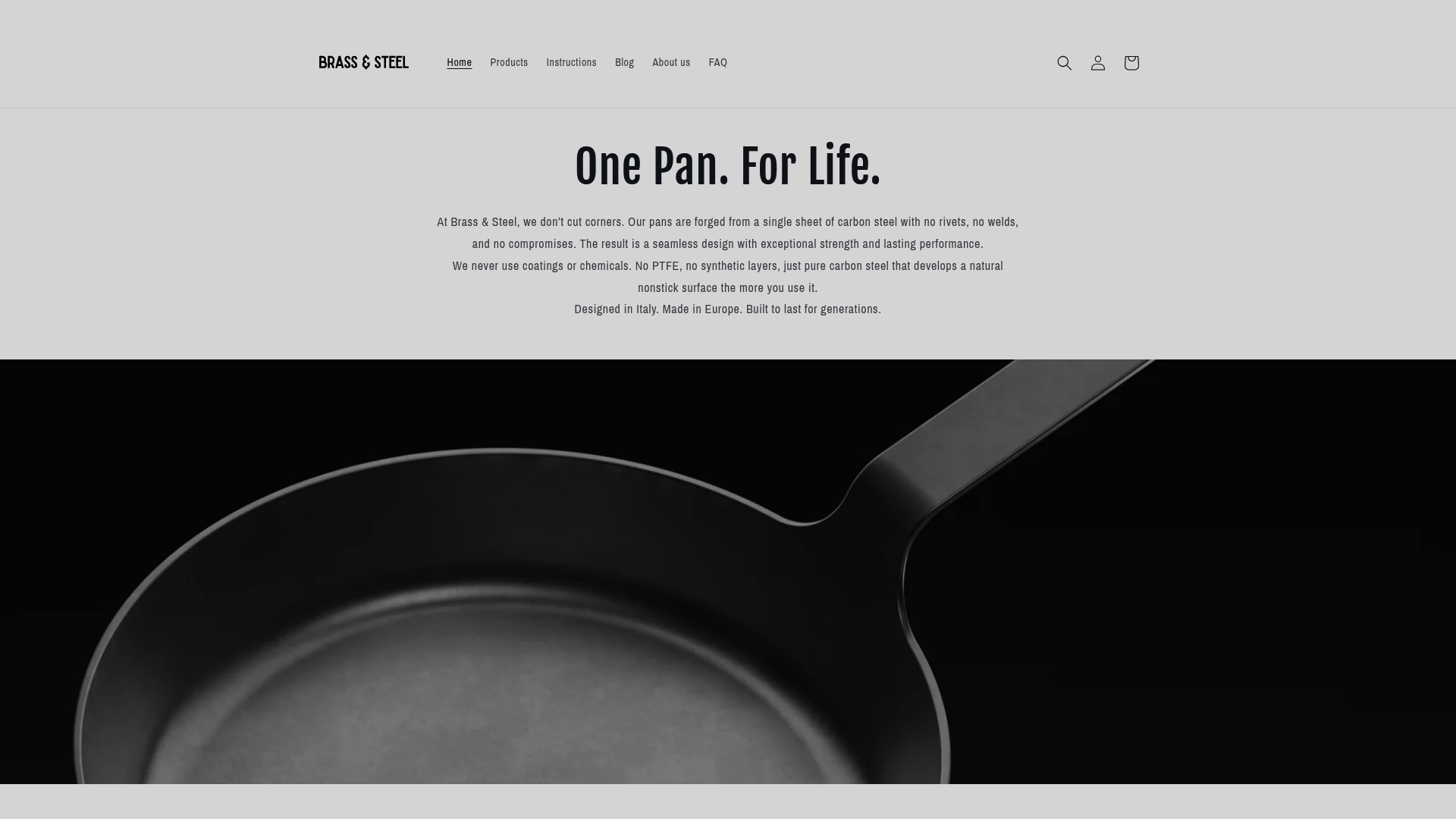
Experience cookware engineered with precision and a health-conscious design free from toxic coatings. Visit our Carbon Steel Collection | Brass&Steel to find pans that deliver exceptional heat retention and natural nonstick properties for that flawless steak every time. Ready to upgrade your kitchen tools? Explore Brass & Steel at https://brass-steel.com and bring professional-grade durability and performance to your culinary craft today.
Frequently Asked Questions
What are the benefits of using carbon steel cookware in steakhouse kitchens?
Carbon steel cookware offers superior heat management and a versatile cooking surface, making it ideal for preparing steaks. To maximise performance, ensure you thoroughly season the pans before first use to create a natural nonstick surface that improves over time.
How does single-piece construction enhance the durability of cookware?
Single-piece construction eliminates weak points, such as rivets or welded joints, which can fail under high heat. Inspect your single-piece cookware regularly for any signs of wear to maintain its strength and ensure it can withstand the rigours of a busy kitchen.
Why is natural nonstick cookware important for health in steakhouse cooking?
Natural nonstick surfaces avoid the harmful chemicals found in synthetic coatings while still delivering excellent cooking performance. Take time to season your carbon steel pans correctly to develop a healthy, effective cooking surface that improves with each use.
How can I achieve the perfect sear on steaks using carbon steel pans?
To achieve a perfect sear, preheat your carbon steel pan gradually and ensure it reaches a uniform temperature before adding the steak. This prevents cold spots and ensures even cooking, enhancing the quality of the steak’s crust.
What should I consider when selecting the size of pans for steak cooking?
Choose pan sizes between 10 and 12 inches for individual steaks to provide sufficient heat circulation without overcrowding. Always opt for slightly larger pans to allow space for heat management and avoid moisture accumulation during cooking.
How do I maintain my carbon steel cookware for long-lasting performance?
Proper maintenance involves cleaning without harsh detergents, avoiding prolonged water exposure, and drying the pan immediately after use. Reinforce the seasoned surface by cooking fatty foods regularly to maintain its nonstick properties.
Recommended
- Complete Carbon Steel Cookware Checklist for Chefs – Brass & Steel
- 7 Essential Restaurant Cookware Recommendations Explained – Brass & Steel
- 7 Essential Professional Cookware Types Every Chef Needs – Brass & Steel
- 7 Essential Professional Cookware Types for Serious Cooks – Brass & Steel
- House Cleaning Grease Removal Guide for Spotless Kitchens