How to Use Induction Cookware for Effortless Cooking
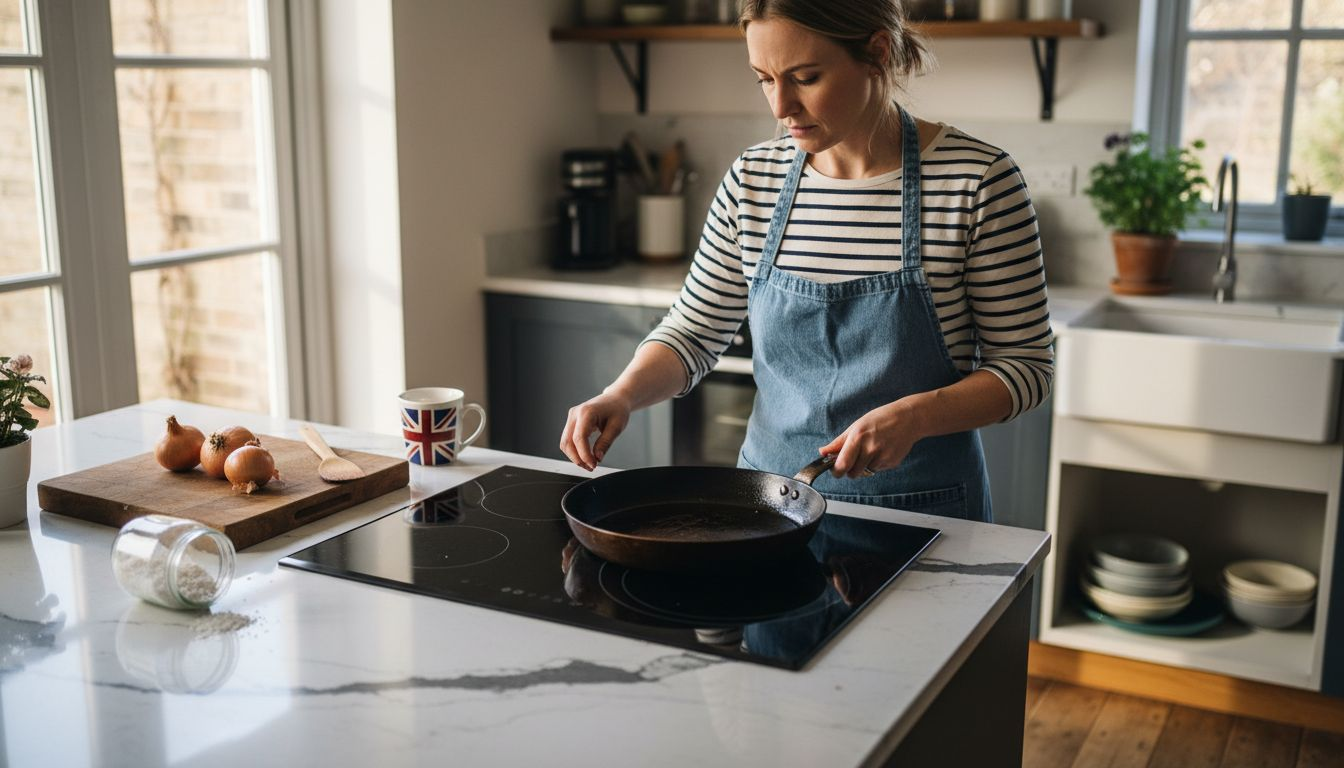
Most British kitchens are switching to induction hobs as demand surges for cookware that combines durability with exceptional precision. For both home cooks and chefs across Europe, finding a pan that matches your standards can be a challenge. Over 60 percent of European households now rely on induction cooking for better heat control and energy savings. This guide cuts through the confusion, helping you select and use the right carbon steel pan for flawless results every time.
Table of Contents
- Step 1: Select the Right Induction-Compatible Pan
- Step 2: Prepare the Carbon Steel Pan for First Use
- Step 3: Position the Pan Correctly on the Induction Hob
- Step 4: Adjust Cooking Temperatures for Optimal Results
- Step 5: Clean and Maintain Induction Cookware After Use
Quick Summary
| Key Point | Explanation |
|---|---|
| 1. Choose induction-compatible materials | Use pans made of ferrous metals like carbon steel, cast iron, or magnetic stainless steel for best results. |
| 2. Properly season your carbon steel pan | Clean and apply a thin layer of oil, then bake to create a non-stick surface and prevent rust. |
| 3. Position pan accurately on induction hob | Centre the pan over the cooking zone, ensuring complete contact for optimal heat transfer. |
| 4. Control cooking temperatures judiciously | Adjust the heat gradually to match cooking techniques, starting low and increasing as needed for even results. |
| 5. Maintain cookware after each use | Clean gently and re-oil the pan to preserve seasoning and prevent rust, ensuring longevity of your cookware. |
Step 1: Select the Right Induction-Compatible Pan
Selecting the perfect induction-compatible pan is crucial for achieving exceptional cooking results. Not all cookware works seamlessly on induction cooktops, so understanding material compatibility is key.
To determine if a pan will work on an induction hob, you need to check its magnetic properties. Induction cooktops use electromagnetic energy to heat cookware, which means only ferrous metal pans with magnetic bases will function properly. A simple magnet test can help you verify compatibility quickly. Place a magnet against the bottom of your pan if it sticks firmly, the pan will work perfectly on an induction surface.
Carbon steel pans are excellent choices for induction cooking due to their magnetic properties and superior heat conductivity. Look for pans made from materials like cast iron, stainless steel, or carbon steel. Manufacturers often label cookware with specific induction compatibility information to help you make an informed decision. When shopping, check for clear markings indicating induction readiness or test the pan with a magnet to confirm.
Cooking Tip: Always ensure your pan has a completely flat base for optimal heat transfer and even cooking performance on induction surfaces.
Here is a quick comparison of common pan materials for induction cooktops:
| Pan Material | Induction Compatible | Heat Conductivity | Maintenance Difficulty |
|---|---|---|---|
| Cast Iron | Highly compatible | Moderate | Moderate |
| Carbon Steel | Fully compatible | Superior | Requires seasoning |
| Stainless Steel | Compatible (if magnetic) | Moderate | Easy |
| Aluminium | Not compatible (unless base is magnetic) | Excellent | Low if coated |
| Copper | Not compatible | Excellent | High |
Step 2: Prepare the Carbon Steel Pan for First Use
Before using your carbon steel pan on an induction cooktop, you will need to properly prepare and season it to create a naturally non-stick surface and protect against rust. This initial preparation ensures optimal cooking performance and longevity of your cookware.
Preparing a carbon steel pan requires careful washing to remove manufacturing residues before seasoning. Start by thoroughly cleaning the pan with warm soapy water to eliminate any protective coatings or dust. Rinse completely and dry the pan entirely using a clean kitchen towel. Once dry, you will need to apply a thin layer of high smoke point oil like grapeseed or sunflower oil across the entire surface including the exterior and handle.
To create the initial seasoning, preheat your oven to 250 degrees Celsius. Place the oiled pan upside down on the middle rack, with a sheet of aluminium foil on the bottom rack to catch any potential drips. Bake for approximately 30 minutes to allow the oil to polymerise and bond with the pan’s surface. After the initial seasoning, allow the pan to cool completely before removing from the oven. Repeat this process two to three times for a robust initial seasoning that will provide excellent non stick properties.
Pro tip: Always use a paper towel to apply a very thin layer of oil when seasoning excess oil will create a sticky surface rather than a smooth non stick coating.
The steps below summarise the essential process for seasoning a new carbon steel pan:
| Step | Purpose | Key Tip |
|---|---|---|
| Wash | Remove residues | Use warm soapy water |
| Dry | Prevent rust | Towel dry thoroughly |
| Oil | Promote non-stick layer | Use very thin oil coating |
| Bake | Polymerise oil for seasoning | Oven at 250°C, 30 minutes |
| Repeat | Build robust seasoning | 2-3 times for best results |
Step 3: Position the Pan Correctly on the Induction Hob
Positioning your carbon steel pan correctly is crucial for achieving optimal cooking performance on an induction hob. Understanding the precise placement will ensure efficient heat transfer and prevent potential damage to your cookware or cooking surface.
Proper pan placement requires careful alignment with the cooking zone, matching the pan base precisely to the induction zone diameter. Centre the pan carefully to maximise electromagnetic energy transfer, ensuring the entire base makes contact with the cooking surface. Check that your pan has a completely flat bottom with no warping or irregularities that might disrupt the connection between the pan and the hob.
When setting up your carbon steel pan, start by ensuring the cooking zone is clean and free from any debris. Place the pan gently in the centre of the designated zone, allowing it to sit naturally without sliding or tilting. Most modern induction hobs will automatically detect pan size and adjust power accordingly. If your pan is slightly smaller than the zone, position it centrally to maintain consistent heat distribution. Avoid using pans with significantly smaller bases than the cooking zone, as this can lead to uneven heating and potential damage to your induction surface.
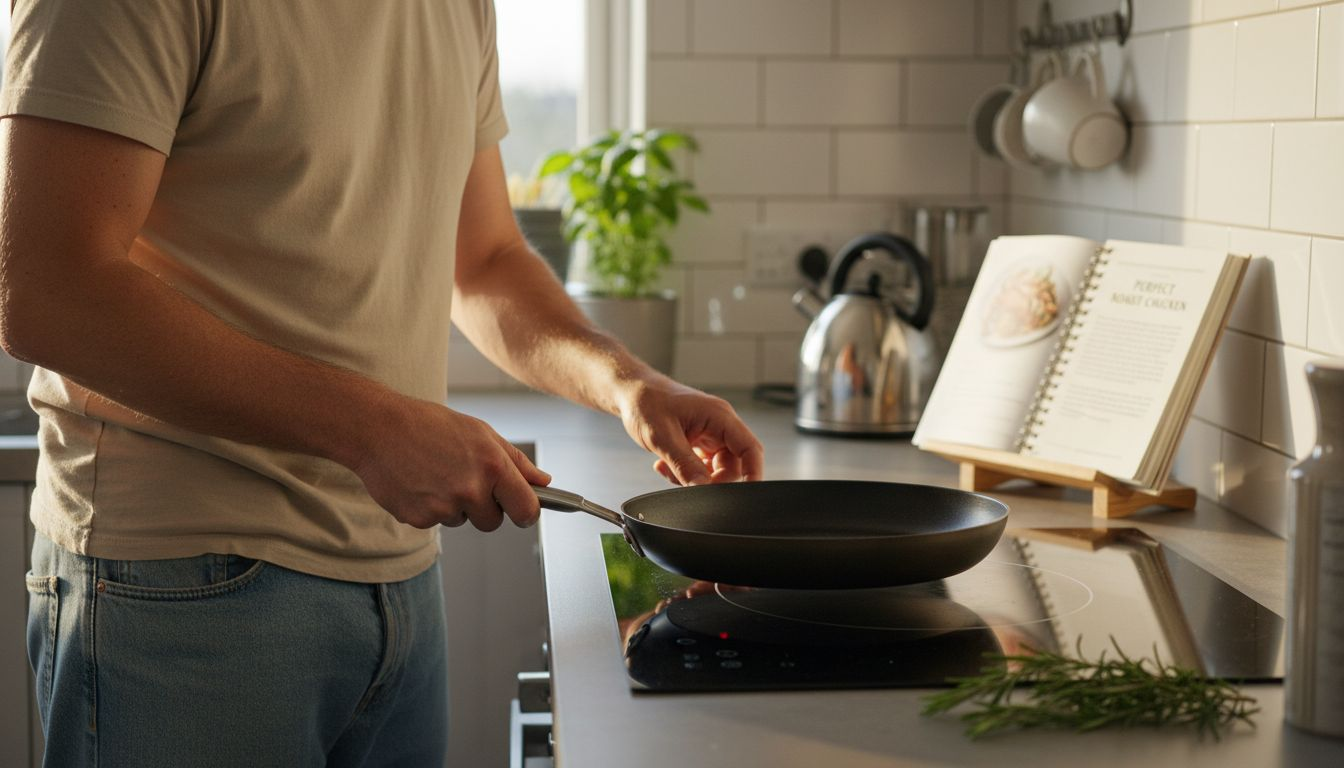
Pro tip: Always lift your pan when moving it rather than sliding to prevent scratching the induction hob surface.
Step 4: Adjust Cooking Temperatures for Optimal Results
Controlling temperature precisely is essential when cooking with carbon steel on an induction hob, as it directly impacts your culinary success. Understanding how to manipulate heat settings will help you achieve perfect results across different cooking techniques.
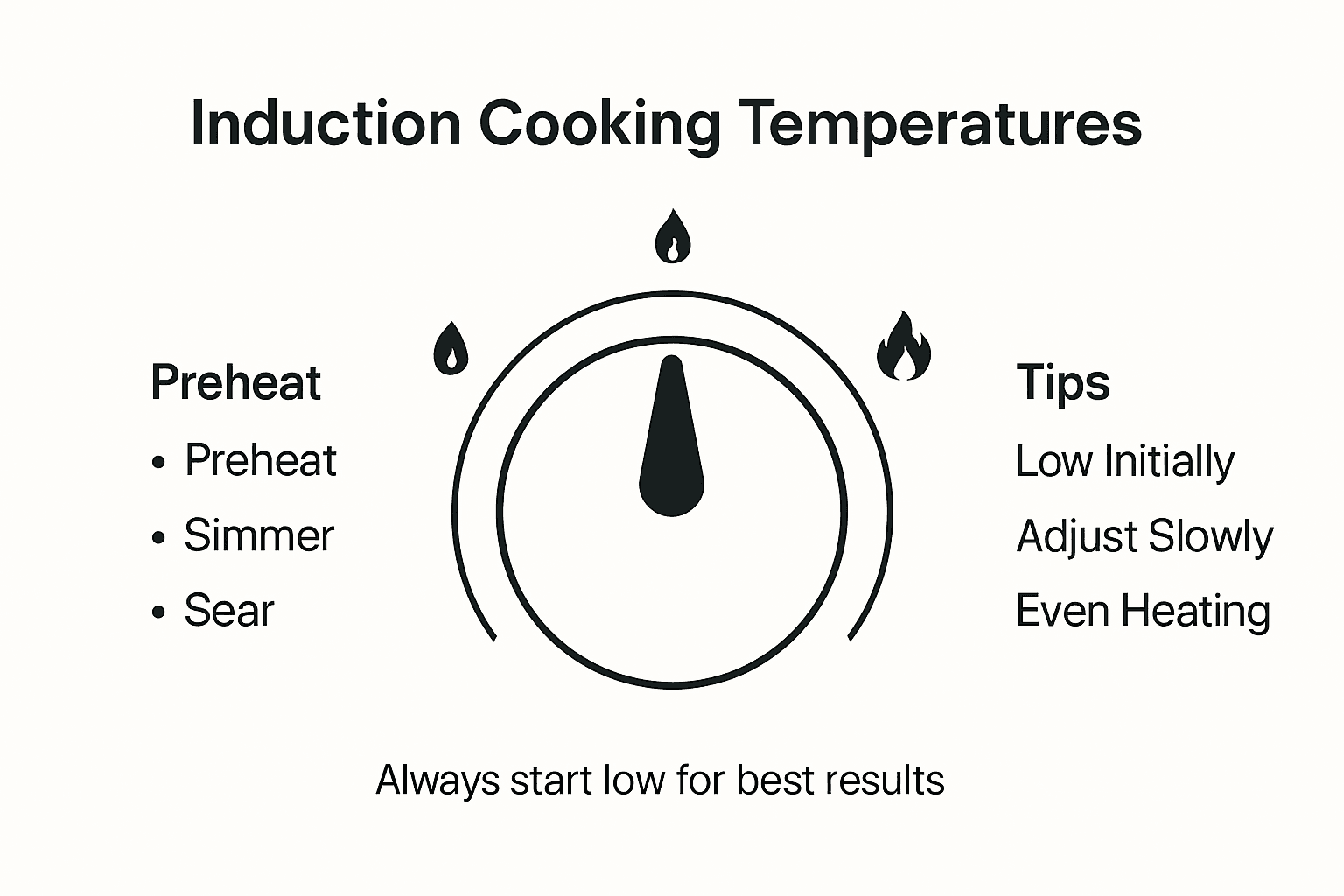
Induction cooktops offer incredibly precise temperature control across multiple cooking levels, ranging from gentle simmering to intense searing. Start by selecting a low temperature setting for delicate tasks like melting butter or warming sauces, gradually increasing heat for more intensive cooking methods. Most carbon steel pans respond quickly to temperature changes, so pay close attention to your food and adjust the settings accordingly. For sautéing, aim for a medium heat that allows ingredients to cook evenly without burning, while high temperatures work best for achieving a perfect sear on meats.
When transitioning between cooking techniques, make incremental adjustments to your induction hob settings. Begin at a lower temperature and slowly increase heat to prevent sudden thermal shock to your carbon steel pan. Remember that different recipes require specific temperature ranges, so consulting your recipe and monitoring your pan closely will help you maintain optimal cooking conditions. Watch for visual cues like oil shimmering or ingredients starting to colour, which indicate you are approaching the right heat level for your specific cooking task.
Pro tip: Always preheat your carbon steel pan on a low to medium setting to ensure even heat distribution before increasing temperature for cooking.
Step 5: Clean and Maintain Induction Cookware After Use
Properly cleaning and maintaining your carbon steel cookware after each use is essential to preserve its performance, prevent rust, and ensure longevity. A consistent care routine will keep your pan in excellent condition and ready for your next culinary adventure.
Regular cleaning prevents heat loss and protects the surface of your induction cookware, helping maintain its optimal cooking performance. After cooking, allow your carbon steel pan to cool slightly but not completely. Use warm water and a soft sponge to remove food residue, avoiding harsh scrubbing that might damage the seasoned surface. For stubborn bits, a gentle scraper or soft brush works well. Thoroughly dry the pan immediately after washing to prevent moisture from causing rust formation. Once dry, apply a thin layer of high smoke point oil to maintain the seasoning and protect the metal surface.
For deeper cleaning, select cleaning methods appropriate to your pan’s seasoning level. Avoid using soap whenever possible, as it can strip away the protective seasoning layer you have carefully developed. If necessary, use a minimal amount of mild detergent and re-season the pan afterwards. Store your carbon steel pan in a dry place with good air circulation, ideally hanging or placed on a rack to prevent moisture accumulation. Periodic maintenance like light oiling and careful cleaning will ensure your carbon steel cookware remains a reliable kitchen companion for years to come.
Pro tip: Keep a dedicated soft cloth or paper towel near your cooking area specifically for drying and lightly oiling your carbon steel pan after each use.
Elevate Your Induction Cooking Experience with Expert Carbon Steel Cookware
If you are looking to master the use of induction cookware effortlessly, the right pan can make all the difference. This article highlights common challenges such as selecting the correct pan material, proper seasoning, and precise temperature control. At Brass & Steel, we specialise in crafting premium carbon steel pans that are naturally induction compatible and designed for durability and performance. Our pans are forged from a single sheet of carbon steel, ensuring superior heat retention and a smooth nonstick surface once seasoned—perfect for searing, sautéing, and everyday cooking.
Discover our Carbon Steel Collection at Brass & Steel to find heirloom-quality pans that respond instantly to induction cooktop settings. Whether you prefer the lightweight 27 cm carbon steel pan or the more robust 30 cm sauté pan, these tools are engineered to help you achieve precise cooking temperatures without fuss. For those eager to find the best pan suitable for induction cooking, explore our New Arrivals for the latest in professional-grade cookware. Take the first step to upgrade your kitchen with cookware that combines Italian design roots and Polish manufacturing expertise by visiting Brass & Steel today.
Make every meal a success with cookware that delivers effortless control, reliable seasoning, and induction-ready performance.
Frequently Asked Questions
What types of pans are compatible with induction cooktops?
Induction cooktops require pans made from ferrous metals that can be magnetised, such as cast iron and carbon steel. To confirm compatibility, perform a magnet test by placing a magnet on the base of the pan; if it sticks, the pan is suitable for use on an induction hob.
How do I prepare my carbon steel pan for first-time use?
Before using your carbon steel pan, it must be washed and seasoned. Clean it with warm soapy water, dry thoroughly, apply a thin layer of high smoke point oil, and then bake it upside down in the oven at 250 degrees Celsius for 30 minutes to create a non-stick surface.
What is the correct way to position my pan on an induction hob?
Position your pan centrally over the designated cooking zone to ensure optimal heat transfer. Ensure that the base of the pan is completely flat and makes full contact with the cooking surface to avoid uneven heating or potential damage to the pan or hob.
How should I adjust cooking temperatures when using induction cookware?
Induction cooktops provide precise temperature control, so start at a low setting for delicate tasks and gradually increase heat as needed for more intense cooking. Monitor your food closely and adjust the temperature incrementally for the best results, ensuring consistent cooking.
What is the best method to clean and maintain my induction cookware?
To clean your induction cookware, use warm water and a soft sponge to eliminate food residue after cooking, avoiding harsh scrubbing techniques. Dry the pan immediately and apply a thin layer of oil to maintain its seasoning and prevent rust, ensuring your pan remains in good condition for future use.
Recommended
- Master Using Carbon Steel on Induction for Perfect Cooking – Brass & Steel
- Understanding Carbon Steel Wok Induction for Cooking – Brass & Steel
- How to Use Carbon Steel Pans on Induction Cooktops (Compatibility & Ti – Brass & Steel
- 7 Essential Professional Cookware Types Every Chef Needs – Brass & Steel