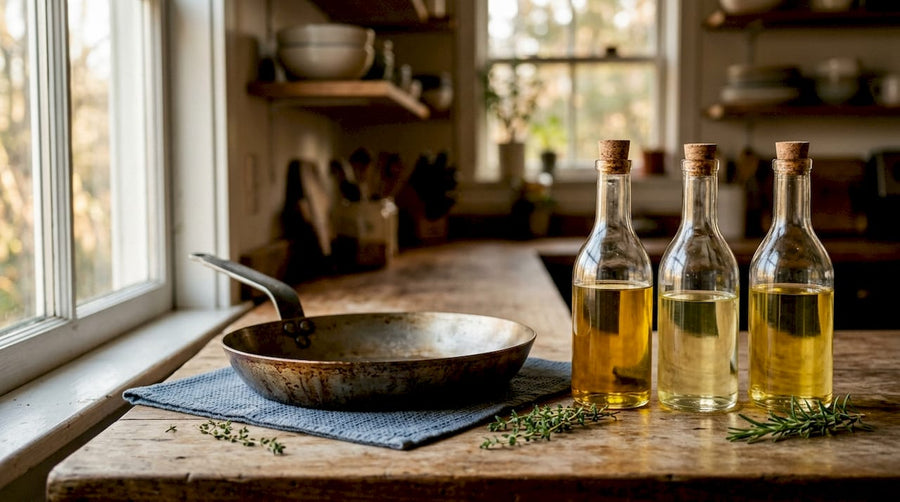
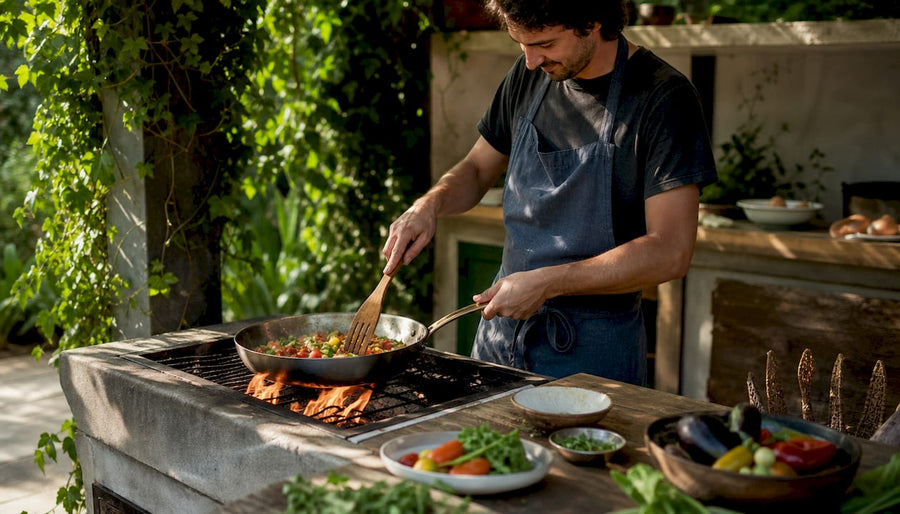
Cast Iron Sauté Pan: Performance, Pitfalls, and Care
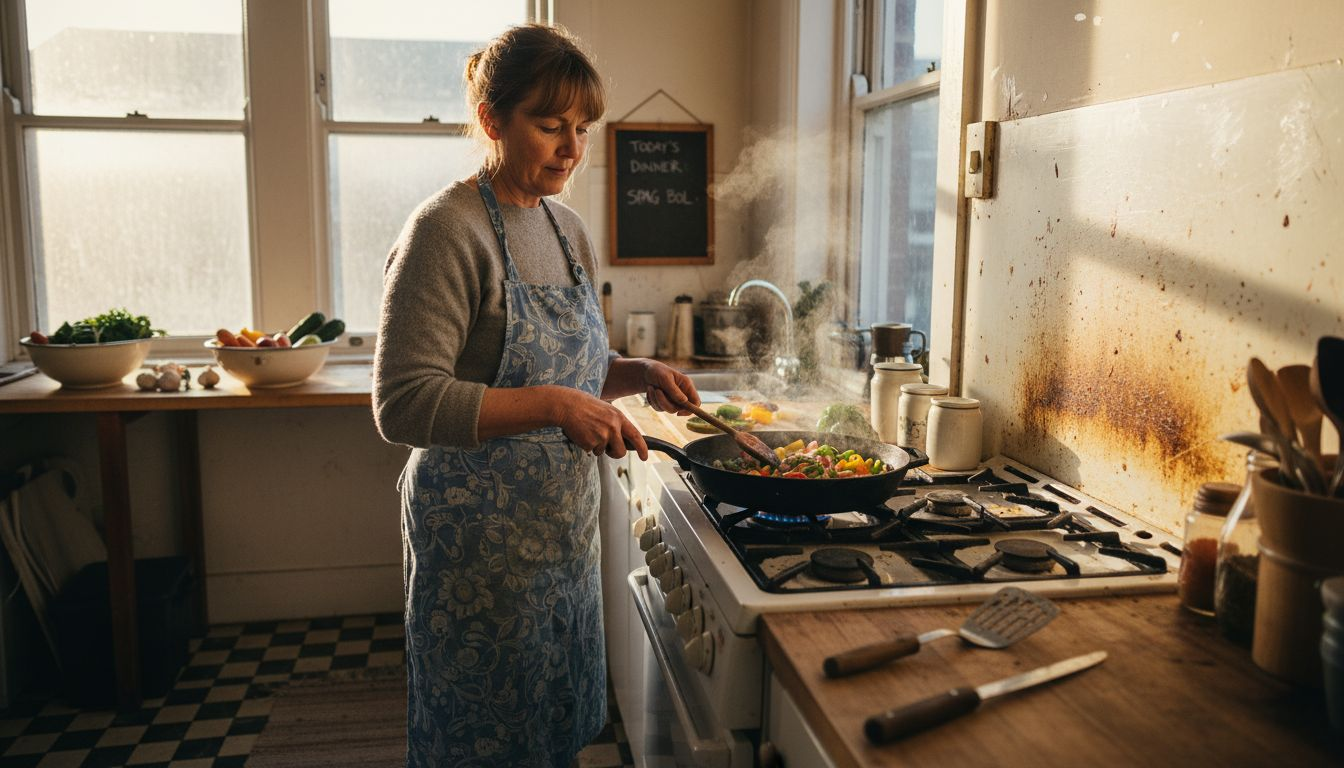
Choosing cookware for everyday meals in a busy European kitchen can be daunting when durability and food safety matter most. The cast iron sauté pan stands out for its remarkable heat retention and ability to develop a natural non-stick surface through careful seasoning, providing consistent performance for home cooks and culinary enthusiasts. Discover how understanding the core concepts behind cast iron pans helps you select the best tools for achieving professional results, whether you prefer classic traditions or crave modern versatility.
Table of Contents
- Cast Iron Sauté Pan: Core Concepts Clarified
- Different Cast Iron Pan Designs And Uses
- Heat Retention, Nonstick Seasoning, And Handling
- Maintenance Requirements And Common Mistakes
- Comparing Cast Iron To Carbon Steel Pans
Key Takeaways
| Point | Details |
|---|---|
| Cast Iron Sauté Pans | They offer excellent heat retention, even cooking, and can develop a natural non-stick seasoning over time. |
| Versatile Uses | Different designs cater to various cooking styles, such as sautéing, frying, and braising. |
| Maintenance is Crucial | Proper cleaning and seasoning prevent rust and maintain non-stick properties, ensuring longevity. |
| Comparison with Carbon Steel | Cast iron excels in heat retention, while carbon steel is lighter and heats up faster; both are valuable in the kitchen. |
Cast iron sauté pan: core concepts clarified
Cast iron sauté pans represent a timeless cooking tool that combines remarkable heat retention with exceptional versatility. Originating from traditional European cookware techniques, these robust cooking companions have been prized by home cooks and professional chefs for generations. Cast-iron cookware has a rich history of providing reliable performance across various cooking methods.
The fundamental characteristics of a cast iron sauté pan distinguish it from other cookware. Unlike standard skillets, these pans feature:
- Wide, flat base for maximum contact with cooking surface
- Low, slightly sloped sides for easy ingredient manipulation
- Superior heat distribution and retention capabilities
- Potential for developing a natural non-stick seasoning over time
The sautéing technique itself involves rapid cooking of small, uniformly cut ingredients over high heat. French cooking methods define sautéing as a process meaning “to jump”, where ingredients are quickly moved and browned while preserving their inherent moisture and texture.
The most significant advantage of cast iron sauté pans lies in their exceptional heat management. These pans absorb and distribute heat evenly, creating perfect searing conditions for meats, vegetables, and other ingredients. Their ability to transition seamlessly from stovetop to oven makes them an incredibly versatile cooking tool for both professional and home kitchens.
Pro tip: Season your cast iron sauté pan regularly to maintain its non-stick properties and prevent rust accumulation.
Different cast iron pan designs and uses
Cast iron cookware designs represent a remarkable spectrum of culinary engineering, each tailored to specific cooking techniques and regional traditions. From compact skillets to expansive Dutch ovens, these versatile cooking tools have evolved to meet diverse kitchen requirements across generations.
Traditional cast iron pan designs encompass several distinctive categories:
To assist in selecting the right cast iron pan, here is a comparison of common designs and their ideal uses:
| Pan Type | Typical Use | Unique Benefit |
|---|---|---|
| Sauté pan | Rapid browning, sautéing | Wide base for even searing |
| Skillet | Frying, shallow cooking | Versatile, easy flipping |
| Dutch oven | Braising, slow-cooking | Excellent for stews or baking |
| Griddle | Pancakes, frying eggs | Large flat area, no high sides |
- Skillets: Flat-bottomed pans with low, sloping sides perfect for frying and searing
- Dutch ovens: Deep, heavy-bottomed pans with tight-fitting lids ideal for braising and slow cooking
- Griddles: Large, flat surfaces excellent for pancakes, eggs, and uniform heat distribution
- Speciality pans: Including deep fryers, crêpe makers, and regional cooking implements
The metallurgical composition of cast iron significantly influences pan performance. Cast iron metallurgical properties determine crucial characteristics like thermal stability, durability, and cooking efficiency. Different iron variants such as gray iron, malleable iron, and ductile iron offer unique advantages for cookware manufacturing.
Modern cast iron pan designs reflect a sophisticated understanding of thermal dynamics and cooking requirements. Contemporary manufacturers combine traditional craftsmanship with advanced engineering, creating pans that transition seamlessly between stovetop, oven, and even outdoor cooking environments. The evolution from legged campfire pans to precision-engineered kitchen tools demonstrates the ongoing innovation in cast iron cookware.
Pro tip: Select a cast iron pan design that matches your primary cooking style and kitchen needs.
Heat retention, nonstick seasoning, and handling
Cast iron cookware represents a remarkable fusion of thermal engineering and culinary craftsmanship. Seasoning cast iron cookware) transforms a basic metal surface into a sophisticated cooking tool with exceptional performance characteristics that enhance both cooking quality and longevity.
The critical aspects of cast iron pan performance include:
- Thermal mass: Ability to absorb and retain significant heat energy
- Nonstick properties: Created through careful polymerisation of cooking oils
- Surface durability: Improves with multiple seasoning layers
- Temperature stability: Maintains consistent cooking temperatures
The scientific principles behind heat retention are fascinating. Cooking pan thermal properties reveal that cast iron’s substantial mass requires more energy to change temperature, resulting in remarkable heat retention. Larger pans demonstrate even more pronounced heat-holding capabilities, making them ideal for techniques demanding consistent thermal output.
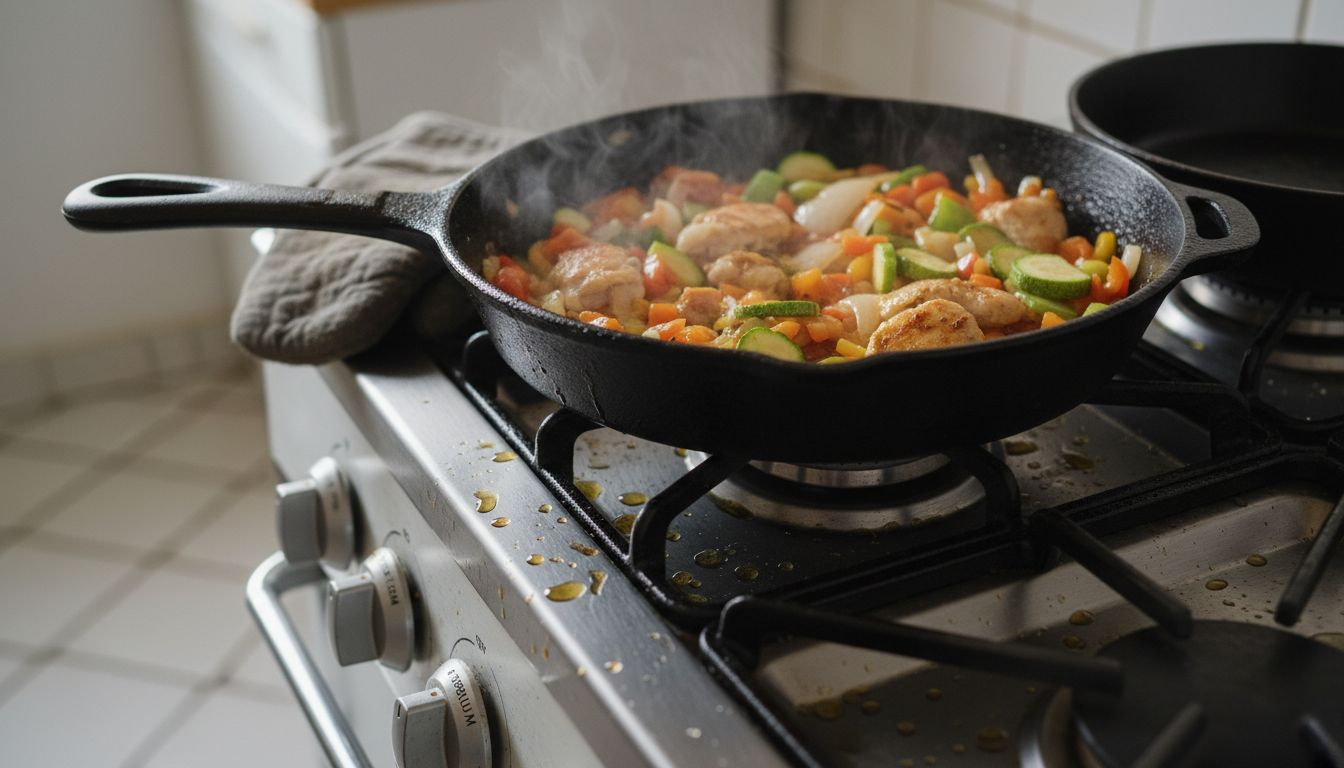
Handling cast iron pans demands respect and understanding. These robust cooking implements retain heat significantly longer than lighter cookware, necessitating careful management to prevent burns. The nonstick surface developed through seasoning creates a hydrophobic layer that not only prevents food adhesion but also protects the underlying metal from moisture and potential corrosion.
Pro tip: Always use heat-resistant gloves when handling cast iron pans, and allow them to cool gradually to preserve their seasoned surface.
Maintenance requirements and common mistakes
Cast iron skillet maintenance represents a delicate balance between preserving the pan’s protective seasoning and preventing potential damage. Understanding the nuanced care requirements is crucial for ensuring longevity and optimal cooking performance.
Common maintenance mistakes to avoid include:
- Washing with harsh detergents that strip seasoning
- Leaving the pan wet after cleaning
- Storing in damp or humid environments
- Using metal scrubbers that damage the surface
- Overheating oils beyond their smoke point
- Neglecting to dry thoroughly after washing
Rust prevention techniques are fundamental to cast iron preservation. The most critical steps involve thorough drying after washing, applying a thin protective oil layer, and storing in well-ventilated, dry areas. Rust can cause significant structural damage, creating pitting that compromises the pan’s cooking surface and overall integrity.
Successful cast iron maintenance requires a systematic approach. After cooking, clean the pan with minimal water, dry completely with a clean cloth, and apply a light coat of high-smoke-point oil. Heat the pan briefly to polymerise the oil, creating a protective barrier that prevents moisture intrusion and maintains the non-stick seasoning.
Pro tip: Always inspect your cast iron pan after cleaning, ensuring no moisture remains and the seasoning looks uniform and smooth.
Comparing cast iron to carbon steel pans
Professional kitchen cookware preferences reveal fascinating insights into the nuanced world of cooking materials. Cast iron and carbon steel represent two remarkable alternatives to traditional nonstick cookware, each offering unique performance characteristics that appeal to serious home cooks and professional chefs alike.
Key comparative characteristics include:
- Heat Retention: Cast iron excels at maintaining consistent temperatures
- Weight: Carbon steel pans are significantly lighter
- Heat-Up Speed: Carbon steel heats faster and more responsively
- Seasoning Development: Both develop natural nonstick surfaces with use
- Durability: Both materials offer exceptional long-term performance
The primary differences emerge in practical cooking scenarios. Carbon steel pans heat more rapidly and respond quickly to temperature changes, making them ideal for dynamic cooking techniques like sautéing and stir-frying. Cast iron, conversely, provides unparalleled heat stability, making it perfect for slow-cooking methods and dishes requiring consistent thermal distribution.
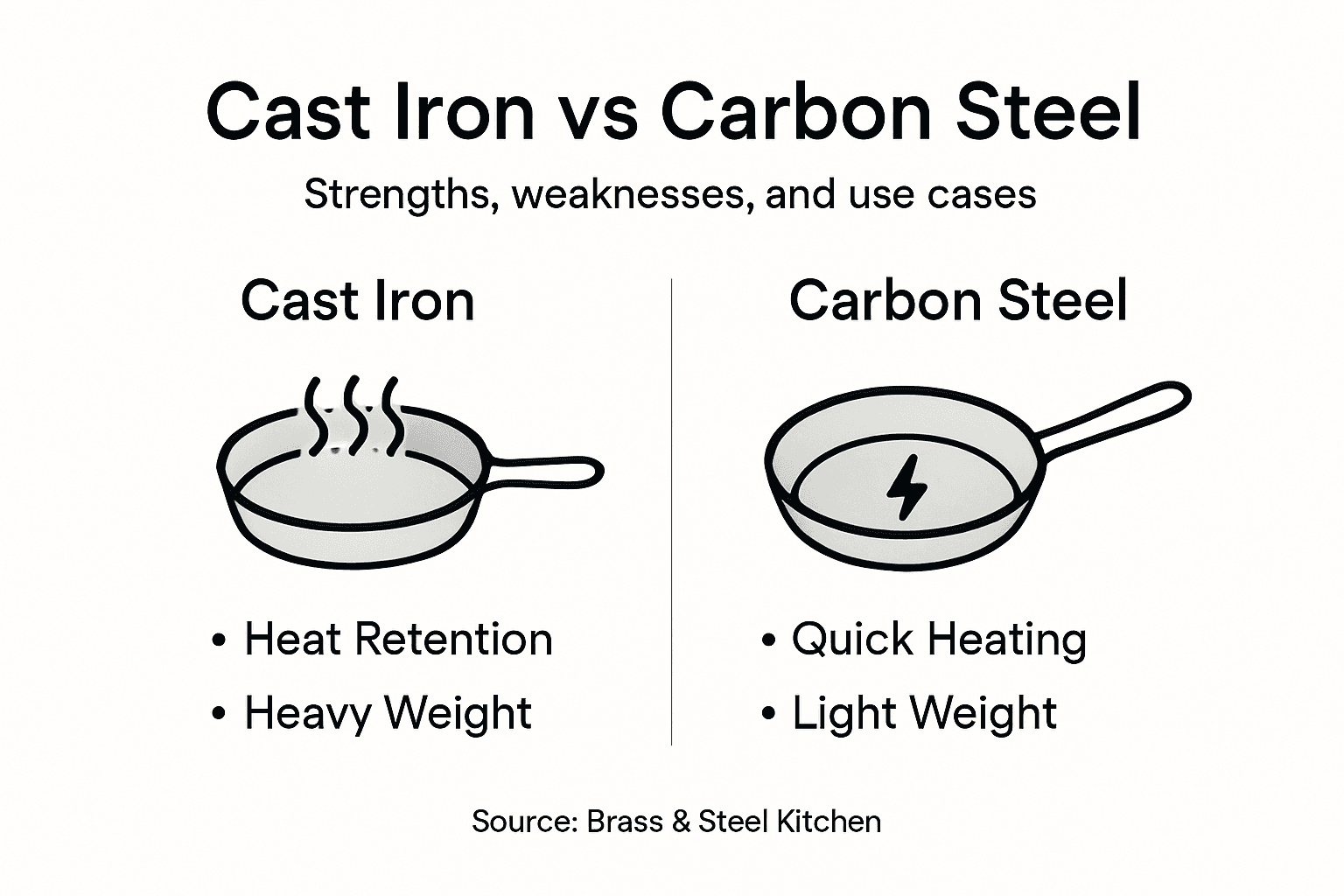
For a clearer view of practical differences, here is a concise comparison between cast iron and carbon steel pans:
| Characteristic | Cast Iron | Carbon Steel |
|---|---|---|
| Weight | Heavier, robust | Lighter, easier to handle |
| Heat Responsiveness | Slower to adjust | Quick temperature changes |
| Ideal Use | Slow-cooked meals, searing | Flash-cooking, stir-frying |
| Lifespan | Multiple generations | Decades if cared for |
Both materials share fundamental advantages over traditional nonstick cookware. They develop a natural seasoning layer through repeated use, eliminate concerns about chemical coatings, and can last generations with proper maintenance. The choice between cast iron and carbon steel ultimately depends on individual cooking style, preferred techniques, and personal handling preferences.
Pro tip: Consider owning both cast iron and carbon steel pans to maximise cooking versatility across different culinary techniques.
Discover Superior Carbon Steel Sauté Pans for Everyday Excellence
Managing cast iron cookware maintenance and seasoning can be challenging. This article highlights the common pitfalls of cast iron pans like rust, seasoning loss, and heavy weight, which can interrupt your cooking flow and enjoyment. If you are seeking a more responsive, lighter alternative that still offers remarkable heat retention and natural nonstick benefits, consider exploring the advantages of carbon steel.
At Brass & Steel, we craft high-quality carbon steel sauté pans that fuse durability with precision engineering. Our pans feature single-piece forged construction eliminating rivets for effortless cleaning and a safe, naturally seasoning surface free from PTFE and coatings. Whether you want a nimble 27 cm pan for everyday searing or a robust 30 cm pan for family meals, our range adapts to your kitchen needs with excellent induction compatibility and long-lasting performance.
Elevate your culinary experience today with the unmatched versatility of our Carbon Steel Collection | Brass&Steel. Visit https://brass-steel.com to find your perfect sauté pan and master the art of effortless, heirloom-quality cooking. Don’t wait to transform your kitchen routine with cookware designed for serious cooks who value both tradition and innovation.
Frequently Asked Questions
What is a cast iron sauté pan used for?
A cast iron sauté pan is primarily used for rapid browning and sautéing small, uniformly cut ingredients over high heat. Its wide, flat base optimises contact with the cooking surface, making it ideal for searing meats and vegetables.
How do I maintain the nonstick seasoning of my cast iron sauté pan?
To maintain the nonstick seasoning, clean the pan with minimal water after use, dry it thoroughly, and apply a thin coat of high-smoke-point oil. Heat the pan briefly to polymerise the oil, which creates a protective layer that preserves the seasoning.
What are the differences between cast iron and carbon steel pans?
Cast iron pans excel at heat retention, making them perfect for slow-cooked meals, while carbon steel pans heat up quickly and are lighter, making them easier to handle for dynamic cooking techniques like sautéing and stir-frying.
What are common mistakes to avoid when using cast iron cookware?
Common mistakes include using harsh detergents that strip seasoning, leaving the pan wet after cleaning, and using metal scrubbers that can damage the surface. Additionally, neglecting to dry the pan thoroughly can lead to rust formation.